Round Rugs: How to Choose the Perfect One for Your Living Room
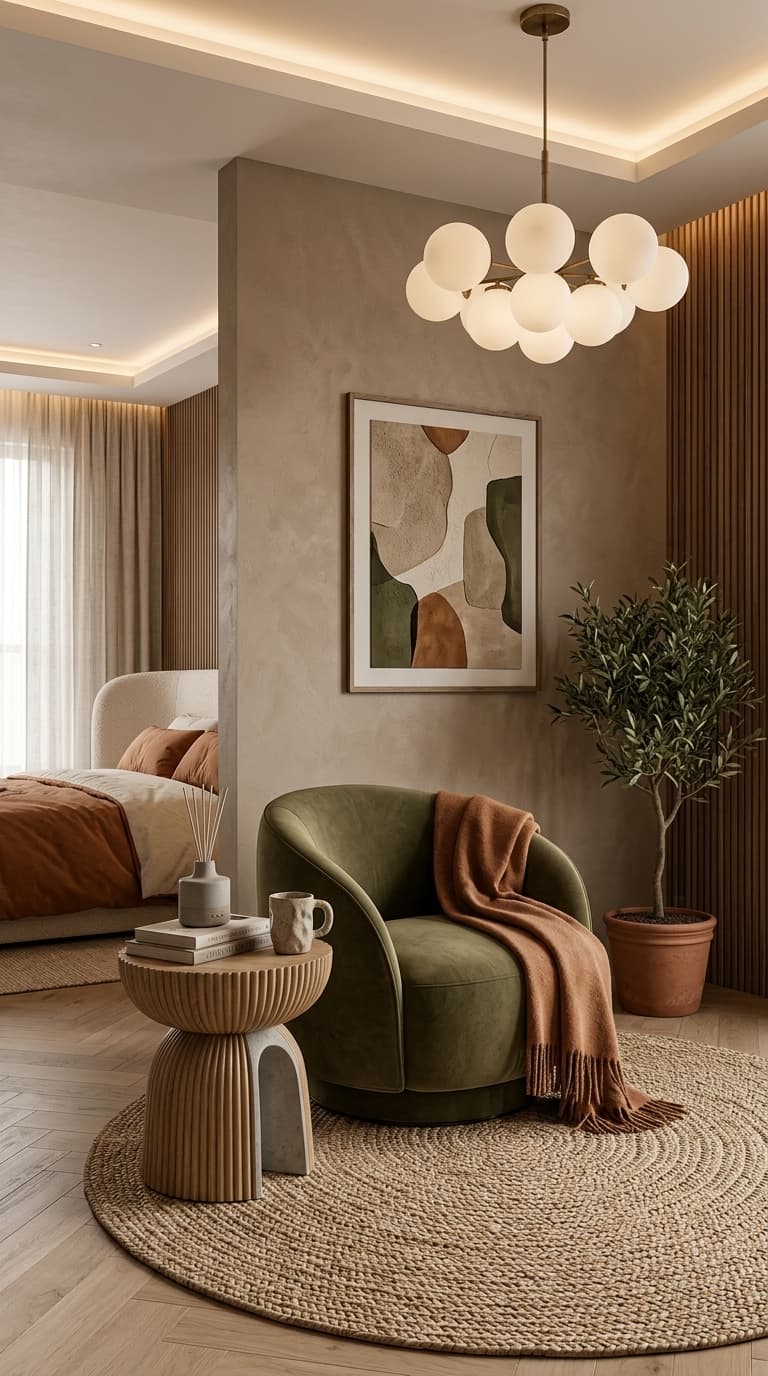
Round rugs offer a unique way to define spaces and add a softer visual element to a room compared to their rectangular counterparts. In this living area, a large, textured jute rug anchors the seating arrangement, creating a cozy and inviting zone. The circular shape breaks up the straight lines often found in furniture and architecture, introducing a sense of flow and harmony. When considering a round rug, think about the overall shape of your room and how you want to guide.
The selection of a round rug involves more than just picking a pattern or color; it's about understanding how its size and placement will impact the room's perceived dimensions and comfort. In the image, the rug is substantial enough to encompass the armchair and side table, ensuring these pieces feel connected and grounded. This approach prevents the furniture from looking like it's floating in the space. Before committing to a round rug, measure your intended area carefully.
1. Defining Your Space with Round Rugs
Round rugs excel at creating distinct zones within larger, open-plan living areas. In this setup, the rug clearly separates the seating area from the bedroom beyond, establishing a cozy conversational nook. The natural fiber texture of the jute rug adds an organic, earthy feel that complements the warm, neutral color palette of the room. When choosing a round rug for your own space, consider its primary function.
The visual impact of a round rug can soften the hard lines of a room. The curved edges of the rug in the image provide a gentle contrast to the straight lines of the wooden wall paneling and the rectangular artwork. This softening effect can make a room feel more welcoming and less formal. When selecting a round rug, think about the existing shapes in your decor.
2. Size Matters: Finding the Right Diameter
Determining the correct diameter for a round rug is crucial for achieving a balanced and functional layout. In this living area, the rug is generously sized, allowing it to comfortably accommodate the armchair and side table, creating a distinct zone. A common guideline for living rooms is to choose a rug that is large enough to have the front legs of your sofa and chairs resting on it.
The scale of a round rug can dramatically alter the perception of a room's size. A larger round rug can make a smaller space feel more expansive by drawing the eye outward and creating a sense of openness. Conversely, a smaller round rug might be best suited for defining a very specific, intimate area, like beside a reading chair or under a small accent table. Before purchasing, use painter's tape to mark out potential rug sizes on your floor.
3. Material and Texture for Added Depth
The choice of material and texture significantly impacts the feel and aesthetic of a round rug. The jute rug in the image offers a natural, tactile quality that adds warmth and visual interest. Its woven texture provides a subtle pattern that complements the abstract art and the earthy tones of the room. Natural fibers like jute, sisal, or seagrass are excellent choices for creating a relaxed, bohemian, or coastal vibe.
Beyond natural fibers, synthetic materials can offer a wide range of textures and patterns, often with added benefits like stain resistance and ease of cleaning. Consider the pile height: a low-pile rug is easier to clean and furniture sits well on it, while a high-pile rug offers more cushioning and a luxurious feel. The texture of the rug also plays a role in its sound-dampening qualities, which can be beneficial in creating a more serene atmosphere.
4. Color and Pattern Considerations
The color and pattern of a round rug can either be a subtle accent or a bold statement piece. The neutral, earthy tones of the jute rug in the image blend seamlessly with the room's palette, enhancing the overall sense of calm and sophistication. If you're aiming for a cohesive look, choose a rug whose colors complement your existing furniture, wall color, and decor. For a more dynamic feel, consider a rug with a subtle pattern or a contrasting color that adds.
When selecting a patterned round rug, consider the scale of the pattern in relation to the size of your room and furniture. A large, bold pattern can make a small room feel smaller, while a small, intricate pattern might get lost in a large space. The image showcases abstract shapes in the artwork, which are echoed in the organic forms of the rug's texture. This visual connection creates a sense of intentional design.
5. Placement Strategies for Round Rugs
Strategic placement is key to maximizing the impact of a round rug. In this living area, the rug is positioned to anchor the armchair and side table, creating a defined seating zone. A common placement strategy is to center the rug within the seating area, ensuring it extends beyond the furniture. For a sofa and chairs arrangement, aim for the rug to be large enough that at least the front legs of all pieces rest on it.
Consider the flow of traffic when placing a round rug. Ensure that walkways are not obstructed and that the rug doesn't create a tripping hazard. In open-plan spaces, a round rug can be used to visually separate different functional zones, such as a living area from a dining area or a workspace. The image demonstrates how the rug effectively delineates the seating area from the adjacent bedroom.
6. Avoiding Common Round Rug Mistakes
One of the most common mistakes is choosing a round rug that is too small for the space. A rug that is undersized can make a room feel disjointed and the furniture appear to be floating. In the image, the rug is substantial enough to ground the armchair and side table, creating a cohesive seating area. To avoid this, always measure your space and consider the scale of your furniture.
Another pitfall is neglecting the texture and material, opting for something that doesn't suit the room's function or aesthetic. A very plush rug might be beautiful but impractical for a high-traffic area or a home with pets and children. Conversely, a very flat, stiff rug might not provide the desired comfort or warmth in a cozy living space. The jute rug in the image strikes a good balance between texture and practicality.
- Measure the intended area for your round rug, considering furniture placement.
- Ensure the rug is large enough to accommodate at least the front legs of your main seating furniture.
- Consider the material and texture based on your lifestyle and room's function.
- Choose colors and patterns that complement your existing decor.
- Visualize the rug's placement to ensure it defines a zone without obstructing walkways.
- Test potential rug sizes using painter's tape before making a purchase.