Create a Cozy Living Room That Feels Like Home
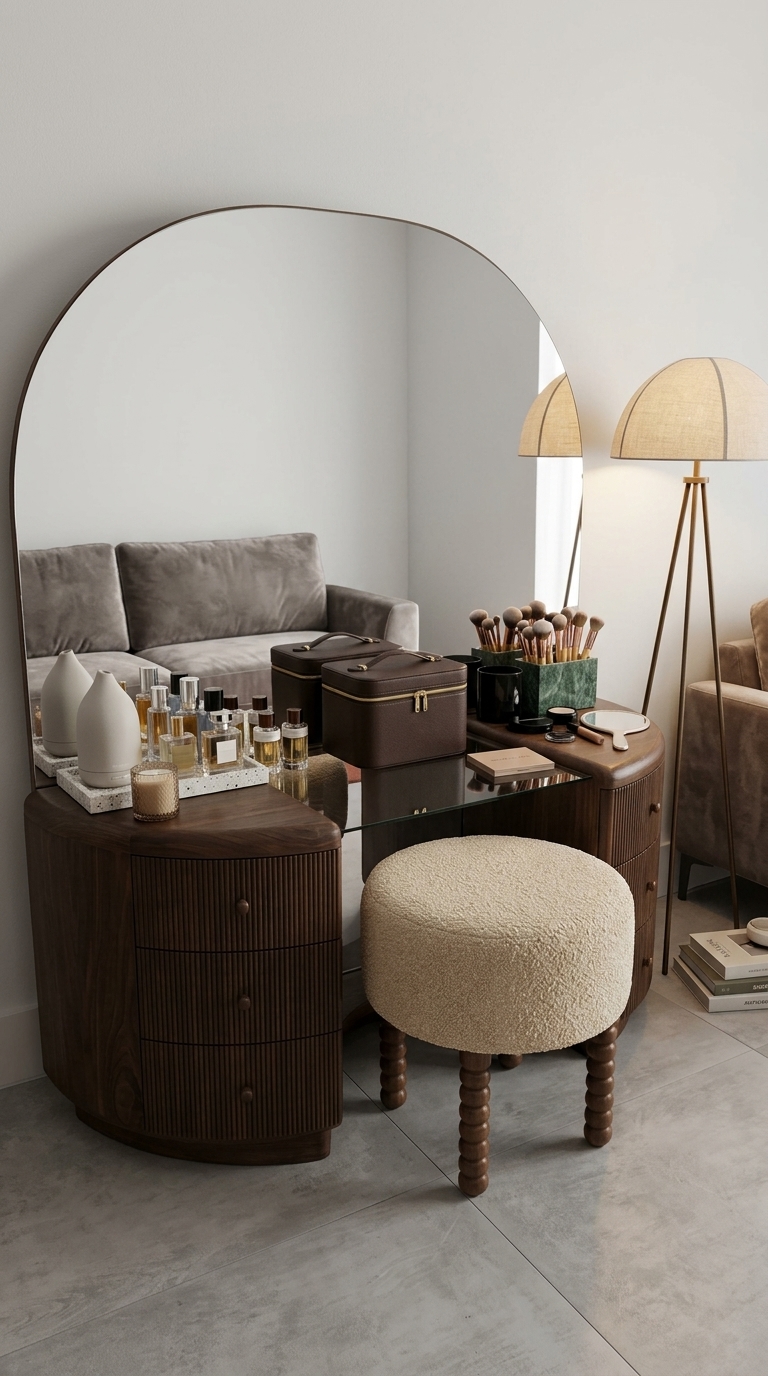
A cozy living room is more than just a place to sit; it’s where family gathers, friends chat, and daily moments unfold. The right decor choices can turn a functional space into a welcoming retreat that reflects your style and supports everyday life.
When you focus on comfort, texture, and thoughtful arrangement, your living room becomes a sanctuary that feels both stylish and lived-in. This guide walks you through practical decisions, common pitfalls, and easy steps to create a space that truly feels like home.
1. Define Your Layout and Flow
Start by measuring your room and sketching a simple floor plan. Identify the main traffic paths and ensure furniture placement allows easy movement without blocking doorways or windows. A clear layout prevents the common mistake of overcrowding the space, which can make the room feel cramped and hinder daily activities.
Position your main seating, like a sofa, facing a focal point such as a fireplace or a large window. Keep at least 24 inches of walking space around the perimeter and between pieces. This thoughtful arrangement supports both comfort and functionality, making the room feel open and inviting.
2. Choose a Calming Color Palette
Select a base color for walls and larger furniture pieces that promotes relaxation, such as soft neutrals, muted blues, or warm greys. These tones create a serene backdrop that can be easily enhanced with accent colors. Avoid high-contrast combinations that can feel chaotic in a space meant for unwinding.
Use accent colors sparingly through pillows, artwork, or a rug to add visual interest without overwhelming the senses. Test paint samples on the wall at different times of day to see how light affects the hue before committing to a full coat.
3. Layer Textures for Warmth
Mix materials like linen, wool, and natural wood to add depth and tactile interest. A woven rug under a coffee table, a knit throw on the sofa, and a wooden side table can transform a flat space into a cozy environment. These layers invite touch and make the room feel more personal.
Be careful not to overdo textures; too many rough or heavy materials can create visual noise. Aim for a balance where each texture contributes to comfort and warmth without competing for attention.
4. Optimize Lighting for Mood
Combine ambient, task, and accent lighting to create flexibility. Install dimmable ceiling lights for overall brightness, add floor lamps near seating for reading, and use table lamps or LED strips to highlight artwork or architectural details. This layered approach allows you to adjust the atmosphere for different activities.
Avoid relying solely on overhead lighting, which can feel harsh. Instead, use multiple light sources at varying heights to soften shadows and create a warm, inviting glow throughout the day and evening.
5. Incorporate Meaningful Decor and Greenery
Display personal items such as family photos, travel souvenirs, or handmade crafts to give the room character. These pieces tell a story and make the space feel uniquely yours. Keep decor intentional; a few well-chosen items are more impactful than a cluttered collection.
Add low-maintenance plants like a snake plant or pothos to bring life and improve air quality. Position them near natural light sources and use decorative pots that complement your color scheme for a cohesive look.
- Measure the room and sketch a floor plan before buying furniture.
- Ensure at least 24 inches of walking space around furniture.
- Choose a calming base color for walls and large pieces.
- Add accent colors through pillows, rugs, or artwork.
- Layer textures like linen, wool, and wood for warmth.
- Use dimmable ambient lighting with task and accent lamps.
- Place a low-maintenance plant in a decorative pot near light.