Create a Cozy Living Room That Feels Like Home
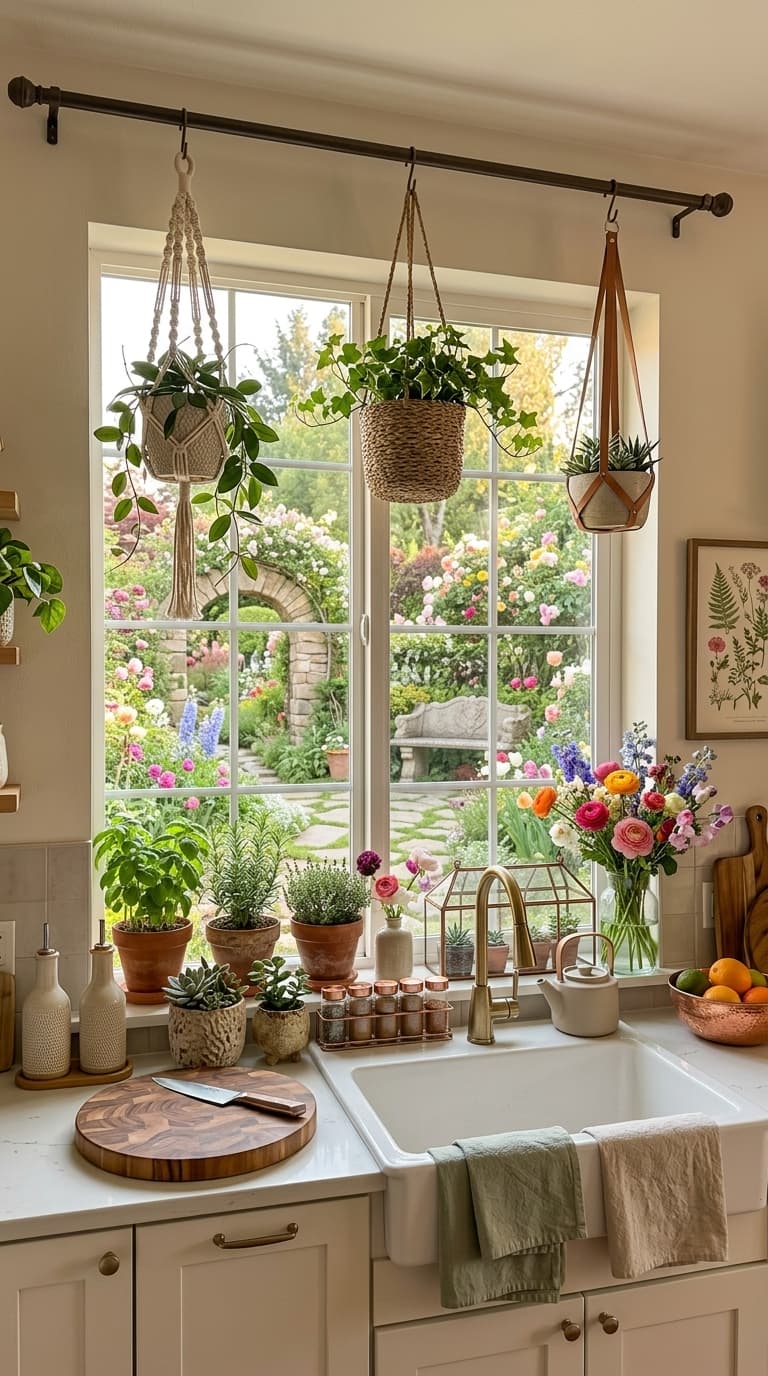
A cozy living room is more than just a place to sit; it's where family gathers, friends chat, and daily moments unfold. The right decor choices can transform a space from functional to feeling like a true home.
When you focus on comfort, texture, and thoughtful arrangement, your living room becomes a sanctuary that reflects your style while staying practical for everyday life. This guide walks you through each decision with clear, actionable advice.
1. Define Your Layout and Flow
Start by measuring your space and sketching a simple floor plan to see how furniture will move. Place the main seating facing a focal point like a fireplace or TV, but leave at least 24 inches of walking space around each piece to avoid crowding.
Avoid the common mistake of pushing all furniture against the walls, which creates a hollow feel. Instead, float your sofa and chairs to create a conversational island that encourages connection and makes the room feel larger.
2. Choose a Calming Color Palette
Select a base color like soft beige, warm gray, or muted sage for walls and larger furniture, then layer in accent colors through pillows, throws, and artwork. This approach keeps the room cohesive while adding visual interest without overwhelming the senses.
A frequent error is using too many bold colors at once, which can feel chaotic. Stick to one or two accent hues and repeat them in different textures to maintain harmony and a relaxed atmosphere.
3. Layer Textures for Warmth
Mix materials such as linen upholstery, a chunky knit throw, a natural jute rug, and smooth ceramic vases to add depth and tactile appeal. Textural contrast makes a space feel inviting and prevents it from looking flat or sterile.
Be careful not to overdo it with too many heavy fabrics; balance soft, cozy elements with lighter, breathable pieces to keep the room feeling airy and suitable for all seasons.
4. Optimize Lighting for Mood
Combine ambient lighting from ceiling fixtures with task lighting like floor lamps and table lamps, and add accent lighting such as LED strips behind shelves. This layered approach lets you adjust brightness for different activities and times of day.
Avoid relying solely on overhead lights, which can cast harsh shadows. Instead, use dimmable bulbs and position lamps to eliminate dark corners and create a warm, welcoming glow.
5. Add Personal Touches Without Clutter
Display a few meaningful items like family photos in simple frames, a collection of books, or a curated plant arrangement. Keep surfaces clear by using trays or baskets to group small objects, ensuring the room feels curated rather than crowded.
Skip the temptation to fill every shelf or table; negative space is essential for a calm environment. Choose a few standout pieces that tell a story and let them breathe.
- Measure the room and sketch a basic layout before buying furniture.
- Choose a neutral base color and add 1-2 accent colors through accessories.
- Layer at least three textures (e.g., fabric, natural fiber, metal) for visual depth.
- Use multiple light sources with dimmable options for flexible mood lighting.
- Keep decor items grouped and limit surface clutter to maintain openness.