Create a Cozy Living Room That Feels Like Home
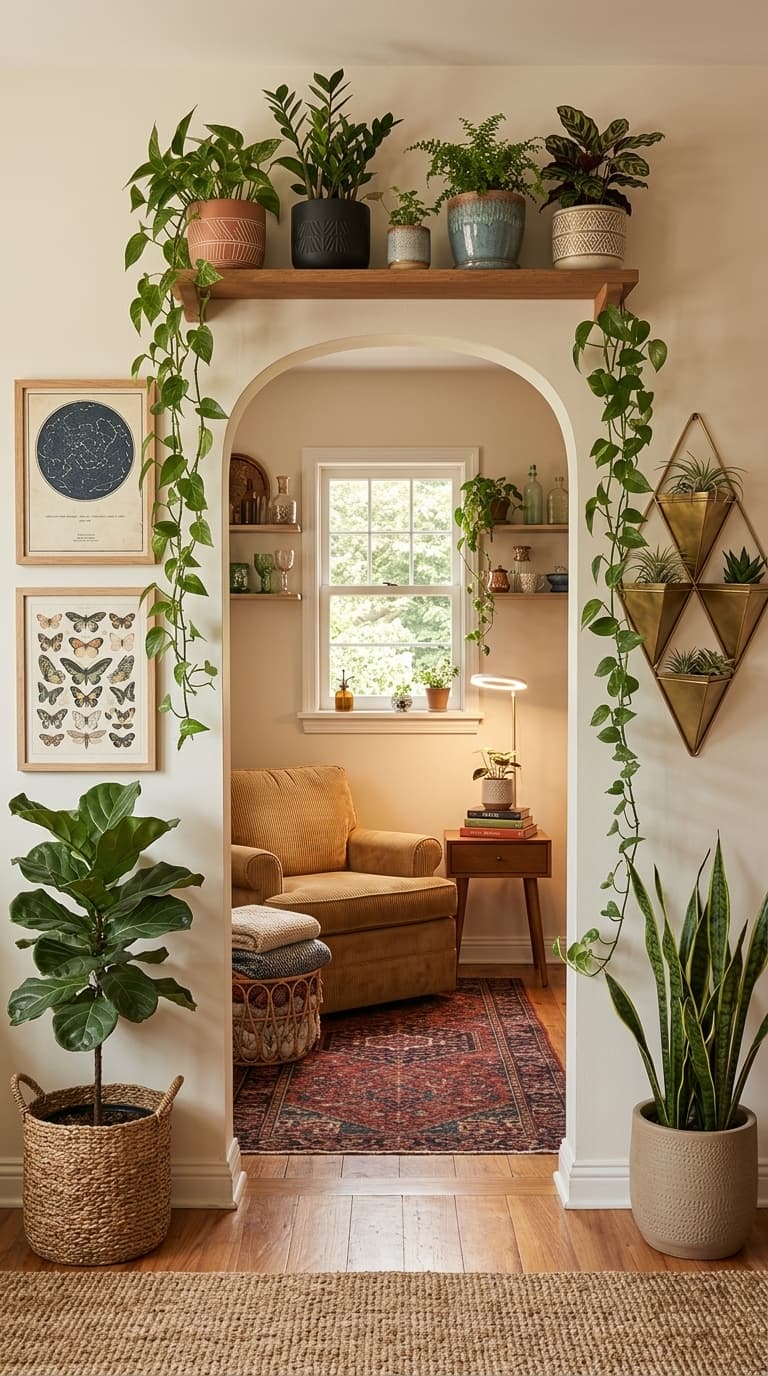
A cozy living room is more than just a place to sit; it’s where family gathers, friends chat, and daily moments unfold. The right decor choices can transform a space from functional to feeling like a true home.
When you focus on comfort, texture, and thoughtful layout, your living room becomes a sanctuary that welcomes everyone. This guide walks you through practical steps to achieve that inviting atmosphere without overwhelming your budget or style.
1. Define Your Comfort Zone
Start by identifying how you use the living room. Do you love curling up with a book, entertaining guests, or watching movies? Mapping out your primary activities helps you choose furniture and decor that support those moments rather than hinder them.
Once you know your main uses, measure the space and sketch a simple layout. This prevents overcrowding and ensures pathways remain clear, making the room feel larger and more functional.
2. Choose a Warm Color Palette
Warm neutrals like soft beige, warm gray, or muted terracotta create a calming backdrop that encourages relaxation. Pair these with deeper accents such as navy, forest green, or rust to add depth without overwhelming the senses.
Test paint swatches on the walls at different times of day to see how natural light changes the hue. This step helps you avoid surprises and ensures the colors feel inviting in all lighting conditions.
3. Layer Textures for Depth
Mixing textures—such as a smooth leather sofa, a chunky knit throw, a woven rug, and natural wood accents—adds visual interest and tactile comfort. Each layer invites touch, making the space feel more lived‑in and cozy.
Be careful not to over‑layer; too many textures can create visual chaos. Aim for a balanced combination where one or two dominant textures anchor the room and the rest complement them subtly.
4. Optimize Lighting for Mood
Combine ambient lighting from ceiling fixtures with task lighting like floor lamps and table lamps, and add accent lighting such as LED strips behind shelves. This layered approach lets you adjust brightness and warmth to suit different activities.
Use dimmable bulbs and warm‑white LEDs (2700‑3000K) to create a soft glow that mimics natural sunset light, enhancing the cozy atmosphere without straining the eyes.
5. Arrange Furniture for Flow
Position the main seating facing a focal point—like a fireplace, large window, or artwork—to encourage conversation and create a natural gathering spot. Keep at least 18‑24 inches of clearance around the edges of furniture for easy movement.
Avoid placing high‑traffic items directly in the center of the room; instead, use a rug to define the seating area and anchor the layout, which helps prevent a cluttered feel.
6. Add Personal Touches Without Clutter
Incorporate family photos, heirloom pieces, or a gallery wall of favorite prints to infuse personality. Keep the number of items limited to maintain a clean look, and use matching frames or a unified color scheme for cohesion.
Introduce plants with low‑maintenance varieties like snake plants or pothos. They add a touch of nature, improve air quality, and soften hard edges without requiring constant care.
- Measure the room and sketch a simple layout before buying new furniture.
- Select a warm neutral base color and test swatches in the actual lighting.
- Choose 2–3 dominant textures and repeat them across rugs, throws, and cushions.
- Layer lighting: ambient, task, and accent, using dimmable warm‑white bulbs.
- Arrange seating to face a focal point with clear pathways around furniture.
- Limit decorative items to a curated collection that reflects personal style.
- Add one or two low‑maintenance plants for natural warmth and air quality.