Create a Cozy Living Room That Feels Like Home
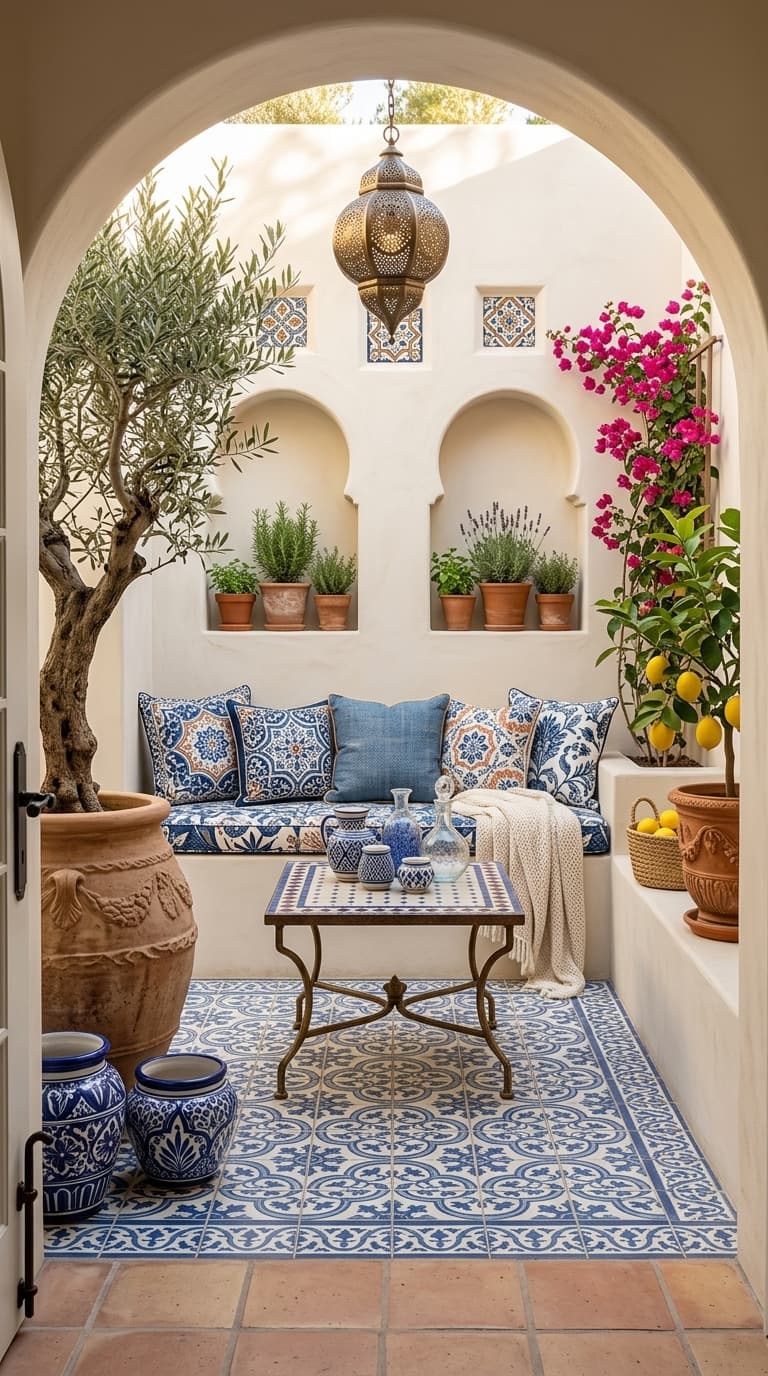
A cozy living room is more than just a place to sit; it's where family gathers, friends connect, and daily stress melts away. The right decor choices can transform a space from functional to feeling like a true home.
When you prioritize comfort, warmth, and thoughtful details, your living room becomes a sanctuary that reflects your style while supporting everyday life. This guide offers practical, family-safe ideas to help you create that inviting atmosphere without clutter or confusion.
1. Define Your Comfort Zone
Start by identifying how you use the living room—whether for reading, entertaining, or relaxing with family. This clarity helps you choose furniture and layouts that support your daily routines rather than hinder them.
Avoid overcrowding by measuring your space and leaving clear pathways. A common mistake is placing large furniture without considering traffic flow, which can make the room feel cramped and unsafe for children or pets.
2. Layer Textures for Warmth
Incorporate soft textiles like wool rugs, linen curtains, and cotton throw pillows to add depth and coziness. These materials invite touch and create a welcoming atmosphere without requiring major renovations.
Be mindful of material choices; avoid overly shiny or synthetic fabrics that can feel cold or reflect light harshly. Natural fibers like cotton and jute offer durability and a gentle aesthetic that suits family life.
3. Choose Warm Lighting
Use a mix of ambient, task, and accent lighting to create a layered glow. Table lamps with warm bulbs and floor lamps with dimmers allow you to adjust the mood for different activities, from movie nights to reading.
Avoid relying solely on overhead lighting, which can feel flat and uninviting. Instead, place lights at varying heights to highlight architectural features and create visual interest without glare.
4. Add Personal Touches
Display family photos, artwork, or meaningful objects on shelves or mantels to infuse personality into the space. These details make the room feel lived-in and connected to your story.
Skip generic decor that doesn't reflect your style; instead, choose items that resonate with you. A curated collection of books or a single statement piece can be more impactful than multiple matching accessories.
5. Balance Function and Style
Select furniture that serves a purpose—like an ottoman with storage or a sofa with a recliner—while maintaining a cohesive look. This balance ensures the room remains practical for daily use without sacrificing aesthetics.
Avoid buying pieces solely for their appearance if they don't fit your lifestyle. For example, a delicate glass coffee table may look elegant but can be impractical for homes with young children.
- Measure your living room dimensions before purchasing furniture.
- Choose a neutral base color for walls and large pieces to allow flexibility with accents.
- Layer a textured rug under the main seating area to define the space.
- Use warm-toned light bulbs (2700K-3000K) for lamps and overhead fixtures.
- Add one or two plants to bring life and freshness to the room.
- Keep walkways clear of furniture to maintain safety and flow.
- Rotate decorative items seasonally to keep the space feeling fresh without clutter.