Create an Inviting Outdoor Dining Space for Entertaining
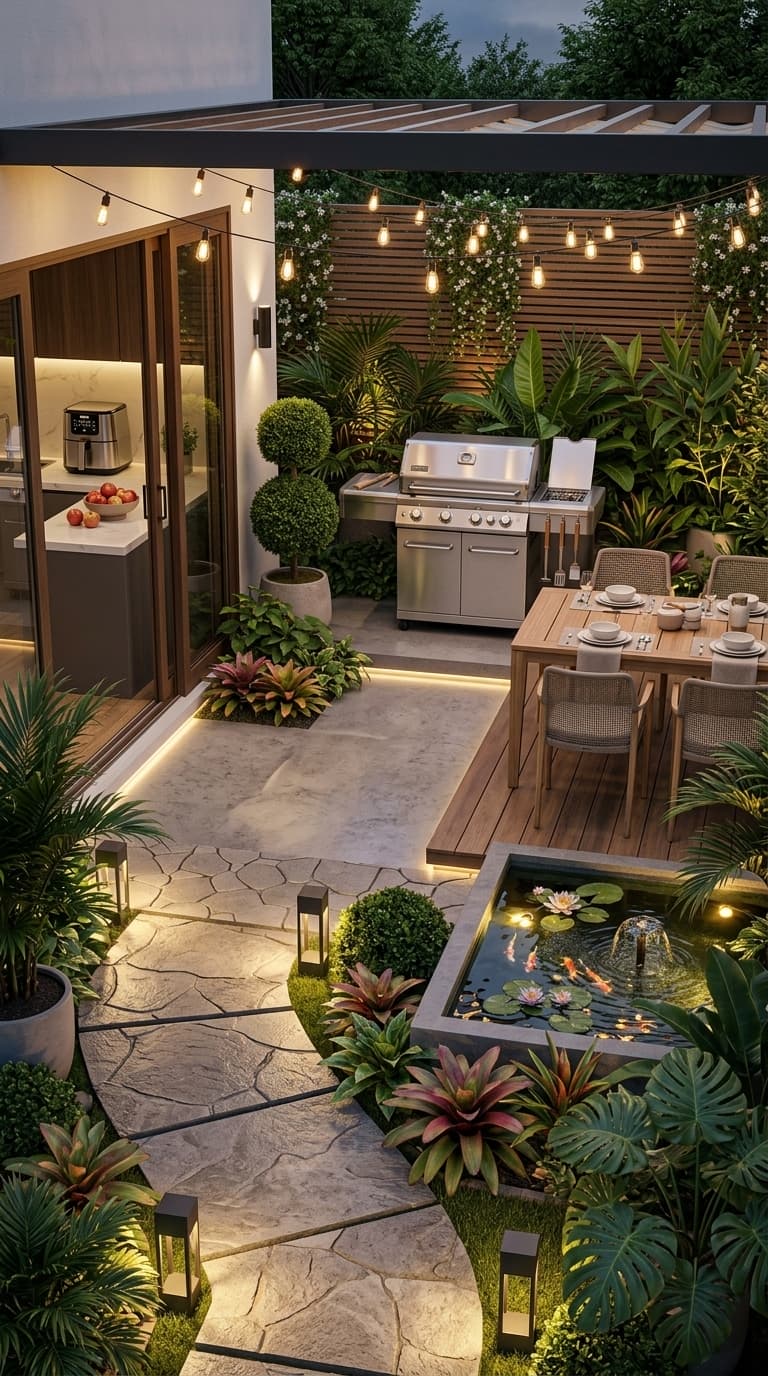
Creating an inviting outdoor dining space can significantly enhance your home's entertainment potential, blurring the lines between indoor comfort and outdoor living. Imagine hosting memorable dinners under the stars, the gentle glow of string lights illuminating your gathering, and the soothing sounds of a water feature creating a tranquil ambiance. This transformation is achievable by focusing on key elements that promote both functionality and aesthetic appeal. From selecting the right furniture to incorporating ambient lighting and lush greenery, every detail contributes to a.
The success of an outdoor dining area lies in its ability to feel like a natural extension of your home, offering comfort and style without sacrificing practicality. Consider the flow from your indoor kitchen or living space to the outdoor dining zone; easy access makes hosting seamless. The visual appeal is equally important, with elements like ambient lighting, comfortable seating, and well-chosen plants contributing to a relaxing and sophisticated environment.
1. Designing Your Outdoor Dining Layout
When planning your outdoor dining space, consider the primary function and how it will integrate with your existing home and garden. If you frequently host large gatherings, ensure there's ample space for a generously sized table and comfortable seating, allowing guests to move around freely. For smaller patios, a round table or a bistro set might be more suitable, maximizing the available area. Think about the proximity to your kitchen for easy serving and clearing.
The transition from your indoor living space to the outdoor dining area is crucial for a cohesive feel. If you have sliding glass doors or French doors leading to your patio, position your dining set to take advantage of this connection. Consider the ground surface; a stable, level area is essential for furniture. Whether you opt for a wooden deck, stone pavers, or a concrete patio, ensure it's well-maintained and provides a solid foundation.
2. Selecting the Right Outdoor Furniture
Choosing outdoor furniture requires balancing comfort, durability, and style. For dining, opt for chairs that are not only comfortable for extended seating but also weather-resistant. Materials like wicker, teak, or metal with appropriate finishes can withstand the elements. The size of your table should accommodate your typical guest count, with options ranging from intimate two-seaters to large rectangular tables. Consider the height of the chairs in relation to the table to ensure comfortable dining.
Beyond the dining set itself, consider additional seating or accent pieces that enhance the overall comfort and usability of your outdoor space. A small side table for drinks or a comfortable bench can be valuable additions. When selecting furniture, think about maintenance; some materials require more upkeep than others. If space is limited, consider furniture that can be easily stored or folded during off-seasons. The visual weight of the furniture also matters; lighter-colored or more open designs can make a small space feel.
3. The Power of Outdoor Lighting
Effective lighting is paramount for creating an inviting outdoor dining atmosphere, especially as daylight fades. String lights, like the Edison-bulb style seen here, offer a warm, ambient glow that instantly elevates the mood. They can be draped across pergolas, fences, or strung between posts to create a canopy of light over the dining area. Wall-mounted sconces can provide functional task lighting near doorways or the grill, while also adding a decorative element.
Beyond overhead and task lighting, consider accent lighting to highlight key features of your outdoor space. Path lights along walkways guide guests safely and add a touch of magic, while uplighting plants or architectural features can create dramatic shadows and visual appeal. Low-level lighting integrated into deck edges or planters can provide subtle illumination without being overpowering. When choosing outdoor lighting, prioritize weather-resistant fixtures and consider the color temperature of the bulbs; warm white tones generally create a more inviting and cozy ambiance.
4. Incorporating Greenery and Natural Elements
Lush greenery is essential for softening hardscaping and creating a natural, inviting ambiance in your outdoor dining area. Strategically placed potted plants and garden beds can define the space, add privacy, and introduce vibrant color. Consider a mix of foliage textures and heights, from tall, structural plants like topiaries to cascading vines and broad-leafed tropicals. Plants with interesting leaf colors, such as bromeliads, can add visual interest even when not in bloom.
When selecting plants, consider your climate and the amount of sunlight your dining area receives. Drought-tolerant species can reduce maintenance, while flowering plants can provide seasonal bursts of color. Vertical gardening, using trellises or wall planters, is an excellent way to add greenery without taking up valuable floor space. Incorporating natural materials like wood for decking or furniture, and stone for pathways, further enhances the connection to nature.
5. Creating Ambiance with Decor and Accessories
The right decor and accessories can transform a functional outdoor dining area into a truly special destination. Table settings play a significant role; consider durable, attractive dinnerware, glassware, and cutlery that complement your outdoor style. Placemats and runners made from natural materials like woven fibers can add texture and warmth. Centerpieces, whether a simple arrangement of flowers, a bowl of fruit, or decorative lanterns, can add a focal point to the table.
Beyond the table, consider other decorative elements that enhance the overall atmosphere. Outdoor rugs can define the dining zone and add a layer of comfort underfoot, while also introducing color and pattern. Decorative lanterns or candles can add a romantic glow for evening dining. Consider incorporating elements that reflect your personal style, whether it's through sculptures, wind chimes, or unique planters. The goal is to create a space that feels curated and welcoming, encouraging guests to linger and enjoy the experience.
6. Practical Considerations for Longevity
To ensure your outdoor dining space remains beautiful and functional for years to come, practical considerations are key. Choose furniture and materials that are designed for outdoor use and can withstand varying weather conditions. Regular cleaning and maintenance, such as wiping down furniture, cleaning cushions, and clearing debris from the dining surface, will prolong their lifespan. For areas with harsh sun or rain, consider investing in furniture covers or umbrellas for added protection.
When it comes to lighting, ensure all fixtures are rated for outdoor use and that wiring is properly protected from the elements. Consider smart lighting options that allow for easy control of brightness and color temperature, enhancing the ambiance with minimal effort. For plant care, group plants with similar watering and sunlight needs together to simplify maintenance. If you have a water feature, ensure it is properly maintained to keep the water clean and the pump functioning efficiently.
- Assess your space to determine the ideal layout and size for your dining set.
- Select weather-resistant furniture that offers both comfort and durability.
- Plan layered lighting, including ambient string lights and functional task lighting.
- Incorporate a variety of plants to add color, texture, and a natural feel.
- Choose outdoor-appropriate tableware and decorative accessories for the table.
- Schedule regular maintenance for furniture, lighting, and any water features.