Create Enchanting Outdoor Ambiance with Strategic Lighting
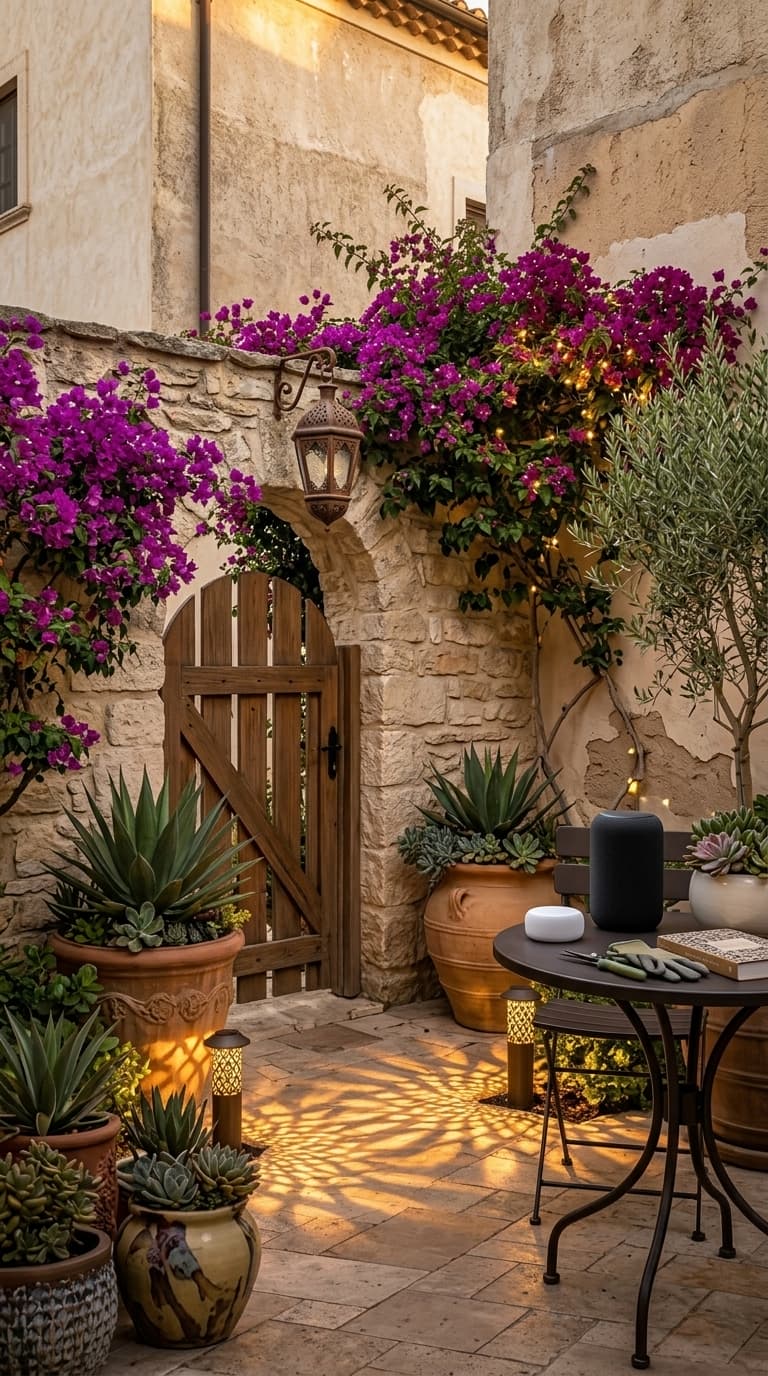
The right lighting can completely transform an outdoor space, turning a simple patio or garden into an enchanting retreat. Imagine stepping out into your backyard after dusk and being greeted by a warm, inviting glow that highlights architectural features, accentuates lush greenery, and creates a magical atmosphere for relaxation or entertaining. This image showcases a beautiful example of how strategic lighting can elevate an outdoor area, blending rustic charm with modern touches.
Achieving this level of ambiance doesn't require a complete overhaul or professional installation. By understanding a few key principles and selecting the right types of fixtures, you can replicate this enchanting effect in your own outdoor living areas. Consider the elements that draw your eye in this scene: the warm, patterned light dancing on the stone pavers, the subtle illumination from the lantern above the archway, and the delicate fairy lights adding a touch of whimsy to the flowering vines.
1. Layering Light for Depth and Mood
Creating a captivating outdoor atmosphere relies on layering different types of lighting, much like you would indoors. Think about ambient lighting for overall illumination, task lighting for specific activities, and accent lighting to highlight features. In this image, the ambient light comes from the overhead lantern, providing a soft, diffused glow. The ground lights offer a more decorative, patterned illumination, contributing to the mood. Finally, the fairy lights woven into the bougainvillea act as accent lighting, drawing attention to the vibrant flowers.
The key to successful layering is to avoid a single, harsh light source. Instead, use multiple, lower-intensity lights placed at different heights. For instance, consider combining string lights draped over a pergola or along a fence with uplighting directed at trees or large plants. Ground-level lights, like the patterned ones seen here, are excellent for creating visual interest on patios and pathways. When choosing fixtures, think about the style of your outdoor space.
2. Accentuate Architectural Features and Greenery
Outdoor lighting is a powerful tool for highlighting the best features of your landscape and architecture. The stone archway and wooden gate in the image are given prominence by the warm light emanating from the overhead lantern. Similarly, the vibrant bougainvillea is made even more striking with the addition of delicate fairy lights woven through its branches. When selecting accent lighting, consider what elements you want to draw attention to.
When illuminating plants, think about the direction of the light. Uplighting can create dramatic shadows and highlight the plant's structure, while downlighting from above can mimic moonlight and create a softer effect. For flowering plants like the bougainvillea, small, warm-toned fairy lights or micro-LEDs can add a magical sparkle without overpowering the natural beauty. Be mindful of light pollution; aim lights downwards or use shielded fixtures to direct light where it's needed most and avoid disturbing neighbors or wildlife.
3. Ground Lighting for Pattern and Safety
The patterned light cast on the pavers in the image is a key element in creating its enchanting atmosphere. These types of ground lights, often solar-powered, project decorative patterns that add visual interest and a sense of magic to pathways and patios. They serve a dual purpose: enhancing the aesthetic appeal and providing subtle illumination for safe navigation. When choosing ground lights, look for designs that complement your overall decor.
Placement is crucial for ground lighting. Along pathways, space them evenly to ensure continuous illumination. Around seating areas or patios, cluster them strategically to create pools of light. If you have steps or changes in elevation, ensure adequate lighting is provided for safety. Solar-powered options are convenient and eco-friendly, requiring no wiring. However, ensure they receive sufficient sunlight to charge effectively. For areas that don't get direct sun, consider low-voltage wired options, which offer more consistent performance.
4. Choosing the Right Fixtures and Power Sources
The selection of light fixtures plays a significant role in both the functionality and the aesthetic of your outdoor lighting. The rustic, vintage-style lantern above the archway in the image contributes to the old-world charm of the space. For a similar effect, consider materials like wrought iron, aged brass, or copper. If your style is more modern, sleek stainless steel or minimalist designs might be more appropriate.
When it comes to power sources, you have several options. Solar-powered lights are incredibly popular for their ease of installation and energy efficiency, as seen with the patterned ground lights. They are ideal for accent and pathway lighting where direct sunlight is available. Low-voltage wired systems offer more control and consistent brightness, making them suitable for task lighting or areas with limited sun exposure. For permanent installations, consider hiring a qualified electrician to ensure safety and compliance with building codes.
5. Integrating Lights with Existing Decor
Effective outdoor lighting should enhance, not compete with, your existing decor. The lights in the image are thoughtfully integrated, complementing the natural materials and the lush planting. The warm tones of the light echo the earthy colors of the stone and terracotta pots, creating a harmonious feel. When adding lights, consider the color palette of your outdoor space. Warm white light (around 2700K) generally creates a cozy and inviting atmosphere, similar to what's depicted.
Think about how the lights will interact with other elements. For example, if you have a wooden deck, consider how the light will reflect off the surface. If you have colorful cushions or outdoor furniture, choose lighting that will make those colors pop or create a complementary mood. Avoid placing lights in a way that creates glare on seating areas or directly into the eyes of guests.
6. Avoiding Common Lighting Mistakes
One of the most common mistakes is using too much light or using a single, overly bright source, which can create a harsh, unwelcoming environment. This is often referred to as 'stadium lighting' and detracts from the cozy ambiance. Another mistake is poor placement, such as lights that shine directly into seating areas or create blinding glare. Overlooking safety is also a pitfall; pathways and steps must be adequately lit to prevent accidents.
Another frequent error is neglecting the power source. Relying solely on solar lights in areas with insufficient sunlight will result in dim or non-functional lighting. Conversely, opting for overly complex wired systems without professional installation can be a safety risk. It's also important to consider maintenance; ensure lights are accessible for cleaning bulbs or replacing batteries. Finally, failing to consider the overall mood you want to create can lead to a disjointed lighting scheme.
- Assess your outdoor space to identify key features you want to highlight.
- Determine the primary function of each area (e.g., dining, lounging, pathways).
- Select a mix of lighting types: ambient, task, and accent.
- Choose fixtures that complement your existing outdoor decor style and are weather-resistant.
- Consider solar-powered options for pathways and accent areas with good sun exposure.
- Test light placement before final installation to avoid glare and ensure desired mood.