Entryway Decor: Create a Calm Welcome Without Clutter
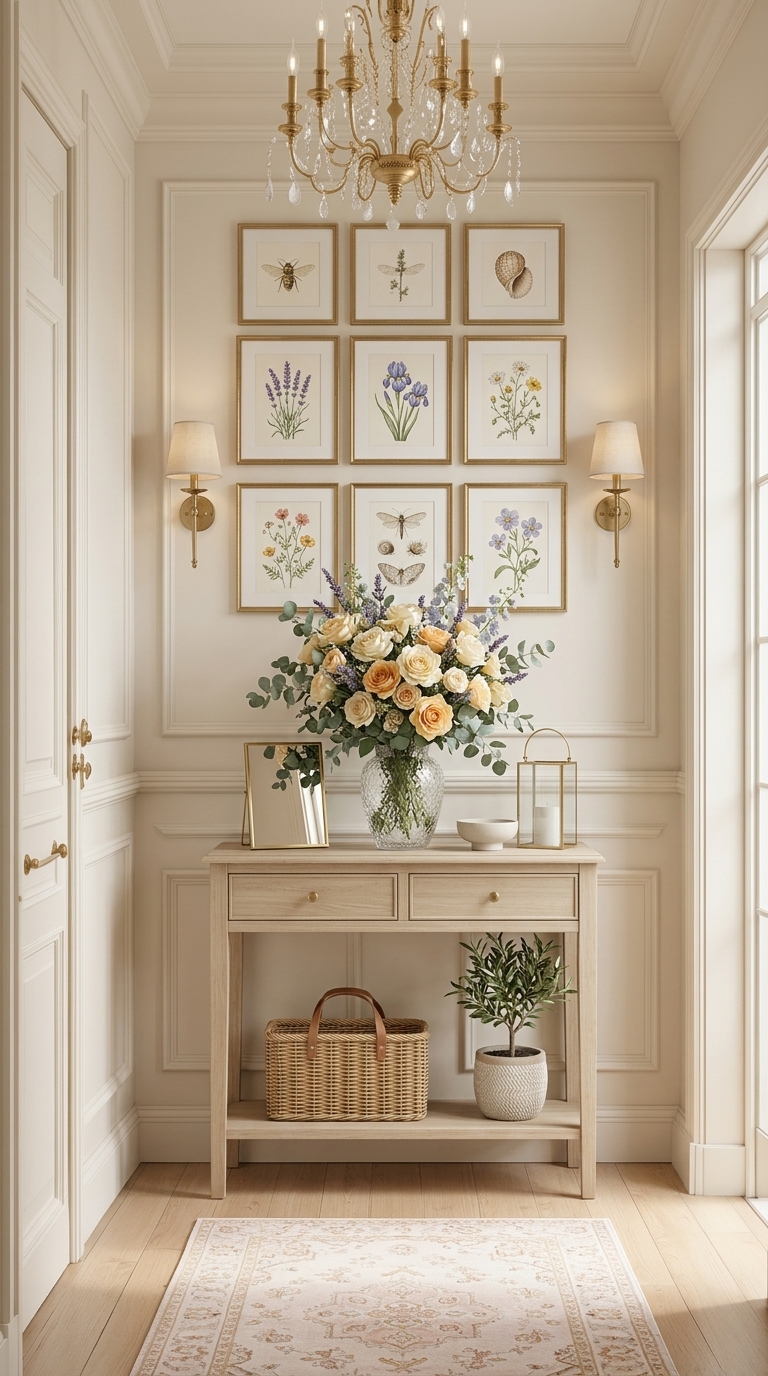
The entryway sets the tone for your entire home, yet it's often the most overlooked space in decor planning. A well-designed entryway should feel welcoming while efficiently managing the daily flow of people, bags, and keys. This space benefits from a balance of style and function, where visual appeal doesn't come at the cost of practicality.
When done right, an entryway becomes a peaceful transition zone that reduces stress and keeps your home feeling organized. The goal is to create a space that reflects your style while solving real-world problems like clutter accumulation and visual chaos.
1. Define Your Entryway's Purpose Before Decorating
Start by identifying the primary functions your entryway needs to serve. Is it a mudroom for coats and shoes, a formal welcome space, or a transitional hallway? The answer determines your layout priorities. For example, if shoes are a constant issue, you'll need dedicated storage solutions rather than just decorative items. Skipping this step often leads to beautiful but impractical setups that quickly become clutter magnets.
Measure your space carefully, noting the width, depth, and height of the area. This helps you choose appropriately sized furniture like a console table that fits without overwhelming the space. A common mistake is selecting a table that's too wide, blocking the doorway, or too narrow, leaving no surface for essentials like keys or mail.
2. Create Visual Balance with Wall Art and Lighting
Arrange your wall art in a cohesive grid to create a focal point without visual chaos. The 3x3 grid of framed botanical prints in the image demonstrates how uniformity in frame style and spacing creates harmony. Avoid mixing frame colors or sizes, as this can make the wall feel disjointed. Measure the distance between frames to ensure consistent spacing for a polished look.
Wall sconces on either side of the art provide layered lighting that enhances the display. Position them so the light falls evenly on the artwork without creating harsh shadows. This balance of light and art makes the space feel intentional and inviting, rather than just a hallway.
3. Choose a Console Table with Smart Storage
Select a console table that offers both surface space and hidden storage to combat clutter. The table in the image features two drawers for small items and an open shelf below for larger pieces like baskets or plants. This design keeps essentials accessible while maintaining a clean aesthetic. Avoid tables with only a flat top, as they encourage items to pile up without organization.
Consider the table's height and depth relative to your space. It should be low enough to not block sightlines but high enough to provide a functional surface. Measure the space behind the door to ensure the table doesn't interfere with opening doors or moving through the entryway.
4. Use the Lower Shelf for Strategic Storage
The open shelf beneath the console table is ideal for items that need to be visible but out of the way. In the image, a woven basket holds items like umbrellas or scarves, while a potted plant adds life without taking up floor space. This keeps the main surface clear for daily use while utilizing vertical space efficiently.
Avoid overcrowding the shelf with too many items. Limit it to 2-3 key pieces to maintain a sense of calm. A single plant or a neatly folded basket is more effective than a collection of random objects that create visual noise.
5. Add a Layered Rug for Warmth and Definition
A rug defines the entryway space and adds warmth underfoot. The patterned rug in the image anchors the console table and creates a clear boundary for the area. Choose a rug that's large enough to extend at least 12 inches beyond the table on all sides to prevent it from looking cramped.
Measure your space to ensure the rug fits properly. A rug that's too small will feel lost, while one that's too large can overwhelm the area. The rug should also be durable enough for high-traffic use, especially in entryways where shoes and bags are frequently moved.
- Measure the entryway space to determine the correct size for your console table and rug.
- Choose a console table with at least one drawer and an open shelf for practical storage.
- Arrange wall art in a uniform grid with consistent spacing for visual harmony.
- Place wall sconces to provide even lighting on your art without creating shadows.
- Limit items on the lower shelf to 2-3 key pieces to avoid clutter and maintain balance.
- Select a rug that extends at least 12 inches beyond the console table on all sides.
- Use a large floral arrangement in a clear vase as a focal point on the console table surface.