Maximize Your Entryway Space and Style with Smart Organization
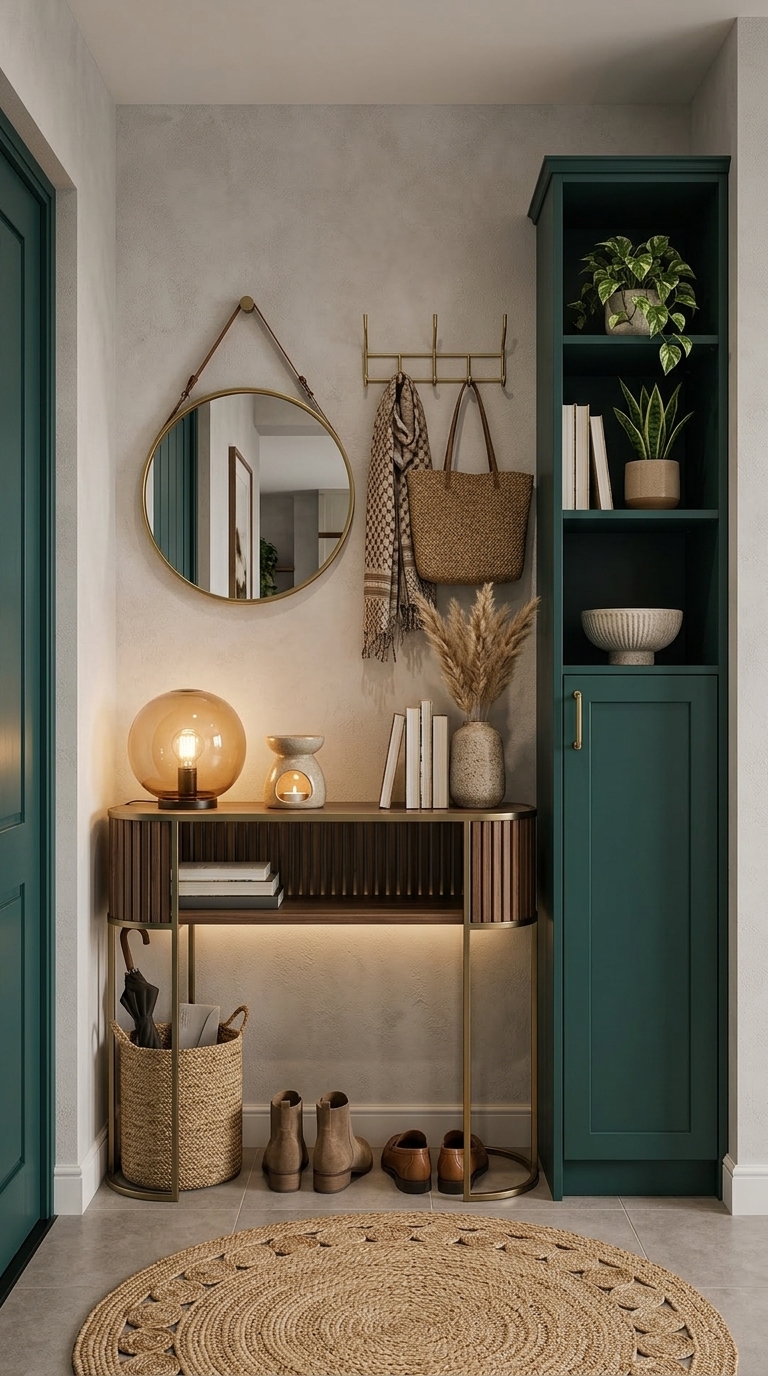
A well-organized entryway sets the tone for your entire home, making a strong first impression while keeping daily essentials within easy reach. Even in compact spaces, thoughtful design can transform a narrow hallway into a stylish and practical zone.
By balancing storage, display, and functionality, you can create an entryway that feels open and inviting rather than cramped. The right mix of vertical storage, multi-functional pieces, and strategic lighting ensures the space serves its purpose without sacrificing style.
1. Assess Your Space and Needs
Start by measuring your entryway dimensions and identifying the primary items you need to store, such as shoes, coats, keys, and mail. Consider how many people use the space and what time of day it sees the most traffic, as this will influence your layout decisions.
Avoid common mistakes like overcrowding the area with too many pieces or choosing storage that doesn't match your daily habits, which can lead to frustration and visual chaos.
2. Utilize Vertical Space
Wall-mounted shelves, floating cabinets, and tall storage units draw the eye upward, making the entryway feel taller and more spacious. These solutions keep items off the floor while providing easy access to frequently used items.
When selecting vertical storage, ensure it's proportionate to your ceiling height to avoid overwhelming the space and maintain a balanced visual flow.
3. Choose Multi-Functional Furniture
Select pieces that serve dual purposes, such as a bench with built-in storage for shoes or a console table that includes drawers for keys and mail. This approach maximizes utility without adding extra furniture.
Avoid single-purpose items that take up valuable floor space, as they can make the entryway feel smaller and more cluttered.
4. Implement Smart Lighting
Layered lighting, including a statement pendant or wall sconces, enhances both function and ambiance. Good lighting makes the space feel larger and highlights key design elements like artwork or a mirror.
Avoid relying solely on overhead lighting, which can create harsh shadows; instead, use a combination of ambient and task lighting for a warm, welcoming atmosphere.
5. Create Defined Zones
Use rugs, changes in flooring, or furniture placement to designate areas for specific functions, such as a shoe storage zone or a key drop-off spot. This organization helps maintain order and prevents items from spilling into other areas.
Avoid placing items randomly without clear zones, as this leads to visual clutter and makes the space feel disorganized.
6. Incorporate Personal Touches
Add warmth with a small piece of art, a potted plant, or a decorative tray to display everyday items like sunglasses or mail. These elements personalize the space without adding clutter.
Be selective with decor to avoid overcrowding; choose a few meaningful pieces that complement the overall style rather than filling every available surface.
7. Maintain a Clutter-Free Flow
Regularly declutter by removing items that don't belong in the entryway, such as mail or random accessories, and use baskets or bins to contain small items. A clean, uncluttered path makes the space feel larger and more inviting.
Avoid adding too many decorative items at once; instead, rotate seasonal pieces to keep the entryway fresh and prevent visual overload.
- Measure your entryway dimensions before purchasing storage solutions
- Install wall-mounted hooks for coats and bags to save floor space
- Choose a bench with built-in shoe storage for multi-functional use
- Use a layered lighting approach with ambient and task lighting
- Define zones with a rug or furniture placement for organization
- Add one personal decor item like a plant or artwork for warmth
- Regularly declutter and use bins to contain small items