Create a Stunning Gallery Wall: A Practical Guide to Arranging Art and Decor
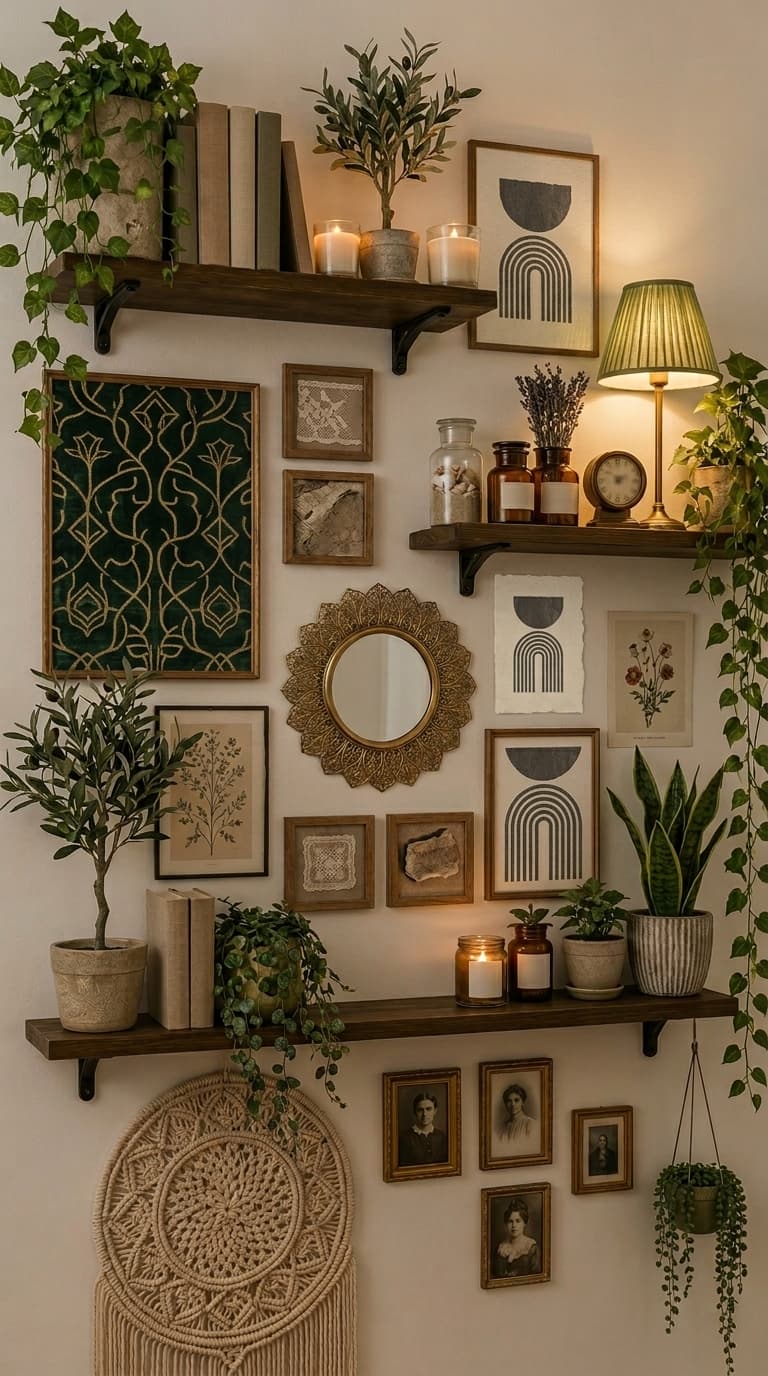
Gallery walls are a fantastic way to inject personality and visual interest into any room. They offer a dynamic alternative to a single large piece of art, allowing you to curate a collection of items that tell a story or simply reflect your aesthetic. Whether you're drawn to a bohemian mix of textures and natural elements, a modern arrangement of graphic prints, or a vintage-inspired display of family photos, the key to a successful gallery wall lies in thoughtful.
Designing a gallery wall can seem daunting, but it's a rewarding process that allows for immense creativity. The beauty of a gallery wall is its adaptability; it can fill an empty expanse of wall, create a focal point above a sofa or fireplace, or even define a specific zone within a larger room. By carefully considering the scale, color palette, and spacing of your chosen items, you can transform a blank canvas into a captivating feature.
1. Planning Your Gallery Wall Layout
The first step to a successful gallery wall is to envision the overall composition. Consider the space you're working with: is it a large, blank wall that needs a significant statement, or a smaller nook that could benefit from a curated collection? Think about the existing decor and color scheme of the room. Your gallery wall should complement, not compete with, your furniture and other decorative elements. Sketching out a few different layout ideas can be helpful.
When planning your layout, it's crucial to consider the anchor piece. This is often the largest or most visually dominant item in your collection, such as a prominent piece of art, a decorative mirror, or a striking textile. Once your anchor is placed, you can build around it, using smaller pieces to fill in the surrounding space. Think about creating a visual 'frame' for your gallery wall, whether it's defined by the edges of your shelves or the boundaries.
2. Selecting Your Gallery Wall Elements
The items you choose for your gallery wall are what give it its unique character. Don't limit yourself to just framed art; consider a variety of textures and forms. This could include photographs, paintings, prints, mirrors, small shelves, decorative plates, woven wall hangings, or even small sculptural objects. Mixing different types of media adds depth and visual interest. Pay attention to the color palette of your chosen items.
When selecting frames, consider how they contribute to the overall aesthetic. You can opt for a uniform look by using frames of the same style and color, which creates a sense of order and sophistication. Alternatively, mixing and matching frames in different finishes, sizes, and styles can lend a more eclectic and bohemian feel. If you're going for a curated look, ensure the frames don't clash too drastically.
3. Achieving Balance and Scale
Balance is key to a visually pleasing gallery wall. This doesn't necessarily mean perfect symmetry, but rather an even distribution of visual weight. Consider the size, color, and perceived heaviness of each item. For example, a large, dark piece of art might be balanced by a cluster of smaller, lighter items on the opposite side. If you have a very detailed or busy piece, balance it with simpler, more minimalist elements.
Scale plays a crucial role in how your gallery wall interacts with the room. Ensure the overall size of your gallery wall is proportionate to the furniture it's near or the wall it occupies. For instance, a gallery wall above a sofa should extend roughly two-thirds the width of the sofa and be hung at a height where the bottom of the lowest piece is about 6-10 inches above the sofa's back.
4. Incorporating Texture and Depth
To elevate your gallery wall beyond just framed pictures, introduce elements that add texture and dimension. This can be achieved through various materials and objects. Consider incorporating a woven wall hanging, a decorative mirror with an ornate frame, a small shelf with a potted plant, or even a vintage-inspired clock. These varied textures create tactile interest and prevent the display from feeling flat. The interplay of different materials, from smooth glass and metal to rough wood and fabric, adds.
Depth can be created by layering items or using objects that protrude from the wall. A mirror, for example, not only adds reflection but also creates a sense of depth. Shelves allow you to display objects in front of artwork or create tiered arrangements. Even the frames themselves can contribute to depth, especially if they have a substantial profile or are layered with mats and glass.
5. The Art of Arrangement and Spacing
Once you have your items and a general layout in mind, it's time to focus on the precise arrangement and spacing. Start by hanging your anchor piece. Then, work outwards, placing other items around it. A common mistake is spacing items too far apart, which can make the gallery wall feel disconnected. Conversely, placing them too close together can result in a cluttered appearance.
Consider the visual lines created by your arrangement. The top edges of frames don't need to align perfectly, nor do the bottoms. Instead, think about creating imaginary horizontal and vertical lines that guide the eye. For example, you might align the tops of some frames and the bottoms of others, creating a dynamic yet cohesive flow. If you're using shelves, you can arrange items on them in a more sculptural way, allowing for varied heights and depths.
6. Practical Tips for Hanging and Maintenance
Hanging your gallery wall requires careful planning to avoid unnecessary holes in your walls. Use a pencil to lightly mark where each piece will go. For heavier items, ensure you're using appropriate wall anchors or locating wall studs for secure mounting. Consider using picture hanging strips for lighter items, as they offer a damage-free removal option, which is ideal for renters or those who like to redecorate frequently.
Maintaining your gallery wall is relatively simple. Dust your frames and decorative objects periodically. If you've used plants, ensure they are well-cared for and not overgrowing their space, which could detract from the overall aesthetic. Periodically step back and assess the arrangement; sometimes, a slight adjustment to spacing or the addition of a small new item can refresh the entire display. The beauty of a gallery wall is its evolving nature, allowing you to update it as your tastes.
- Gather all your intended gallery wall items and frames.
- Lay out your collection on the floor to experiment with arrangements.
- Identify an anchor piece to build your gallery wall around.
- Consider the scale and balance of each item in relation to others.
- Plan for consistent spacing between frames and objects.
- Use a level and appropriate hardware for secure and straight hanging.