Create a Calm Home Office with Simple Decor Choices
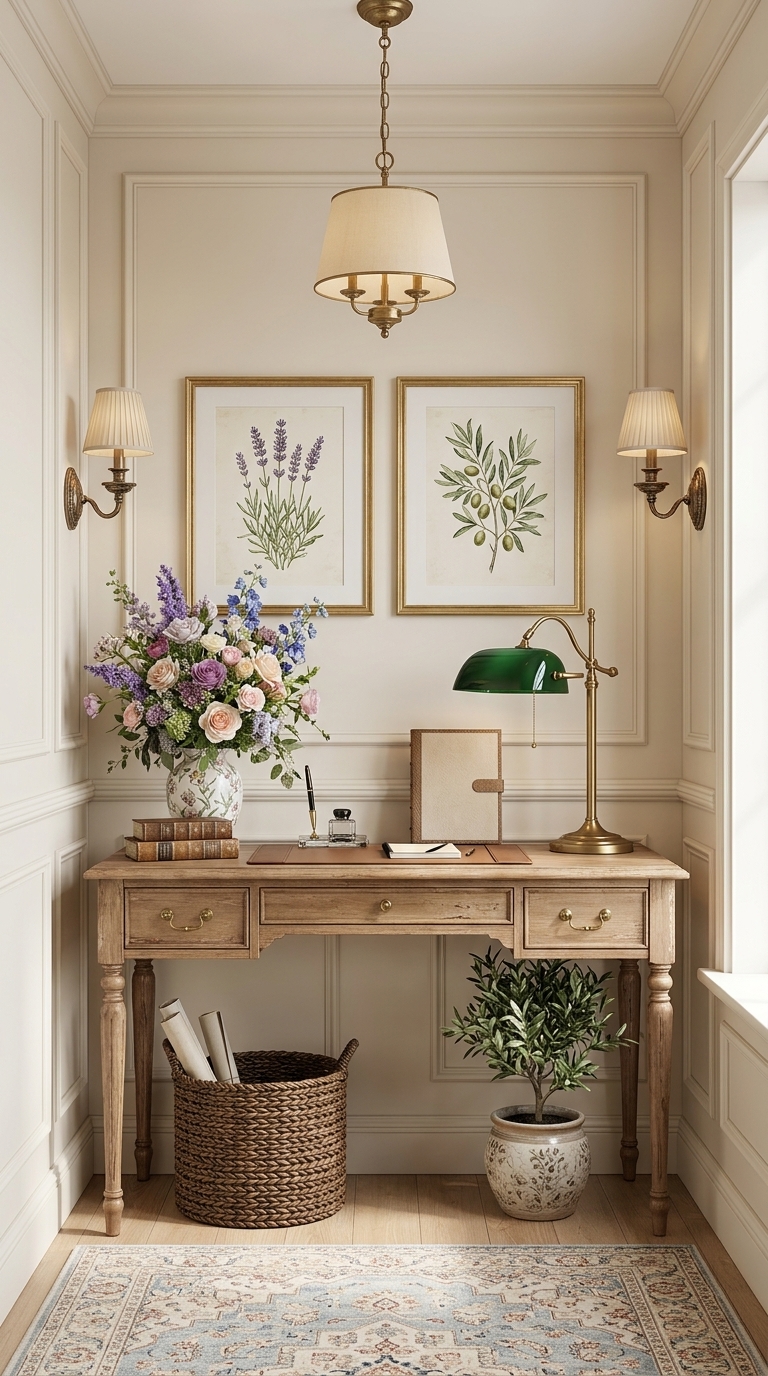
A home office should be a sanctuary for productivity and creativity, not just a place to work. The room in the image shows how a few intentional decor choices can transform a simple desk into a calming, inspiring space that supports focus and well-being.
This article will guide you through practical decor decisions to create a home office that feels both professional and inviting, using the elements visible in the image as a blueprint for success.
1. Define Your Functional Zones
Start by assessing how you use your home office space. The image shows a dedicated desk area with clear zones for writing, reading, and storage, which prevents the room from feeling chaotic. Measure your desk space and consider if you need a separate area for a computer or a reading chair to maintain a balanced workflow.
Avoid the common mistake of overcrowding the desk with too many items. The image demonstrates a clean layout with only essential items on the surface, allowing for easy movement and focus. Measure your desk depth and width to ensure your chair fits comfortably without crowding the space.
2. Choose a Calming Color Palette
The room uses a neutral beige wall color with white wainscoting, creating a serene backdrop that reduces visual stress. This color choice is practical for a home office as it pairs well with various decor styles and doesn't distract from work. When selecting colors, test samples on the wall at different times of day to see how light affects the mood.
Avoid bright, high-contrast colors that can cause eye strain during long work hours. The image shows how soft, earthy tones like beige and cream create a balanced environment. Check your current wall color and consider if it supports focus or if a subtle change would improve your work experience.
3. Layer Lighting for Comfort
The image features three light sources: a pendant light, wall sconces, and a green desk lamp, which work together to eliminate shadows and reduce eye fatigue. This layered lighting approach is essential for a home office, as it allows you to adjust brightness based on the task. Measure your desk height and position the desk lamp so the light falls directly on your work surface without glare.
Avoid relying solely on overhead lighting, which can create harsh shadows. The image shows how wall sconces provide ambient light that reduces glare on screens. Check your current lighting setup and add a task lamp if your desk area is dim or if you work late into the evening.
4. Incorporate Natural Elements
The potted olive tree and floral arrangement in the image bring natural textures and colors that reduce stress and improve air quality. These elements are practical for a home office as they add life without requiring constant maintenance. Place a small plant on your desk or a shelf to create a visual break from screens and enhance your mood.
Avoid cluttering the space with too many decorative items, as this can distract from work. The image shows a balanced use of plants and flowers that complement the room's aesthetic. Measure your desk space and choose one or two plants that fit without taking up valuable work area.
5. Organize with Purpose
The desk in the image has a woven basket for rolled papers and a small plant in a ceramic pot, both serving functional purposes without adding clutter. This shows how storage solutions can be both practical and decorative. Use a basket or tray to corral small items like pens and notepads, keeping the desk surface clear for focused work.
Avoid leaving items scattered on the desk, which can signal disorganization and reduce productivity. The image demonstrates a tidy workspace with designated spots for each item. Check your current desk setup and identify one area that needs organization, such as a drawer or a corner, to start creating a more efficient space.
- Measure your desk dimensions to ensure your chair fits comfortably without crowding the space.
- Test wall colors at different times of day to see how light affects your focus and mood.
- Add a task lamp to your desk to eliminate shadows and reduce eye strain during work hours.
- Place one small potted plant on your desk to add life and reduce visual clutter.
- Use a woven basket or tray to corral small items and keep your desk surface clear.
- Check your current lighting setup and add wall sconces or a desk lamp if your workspace is dim.
- Identify one cluttered area on your desk and organize it using a basket or drawer divider.