How to Keep Your Home Office Plants Thriving with Natural Light
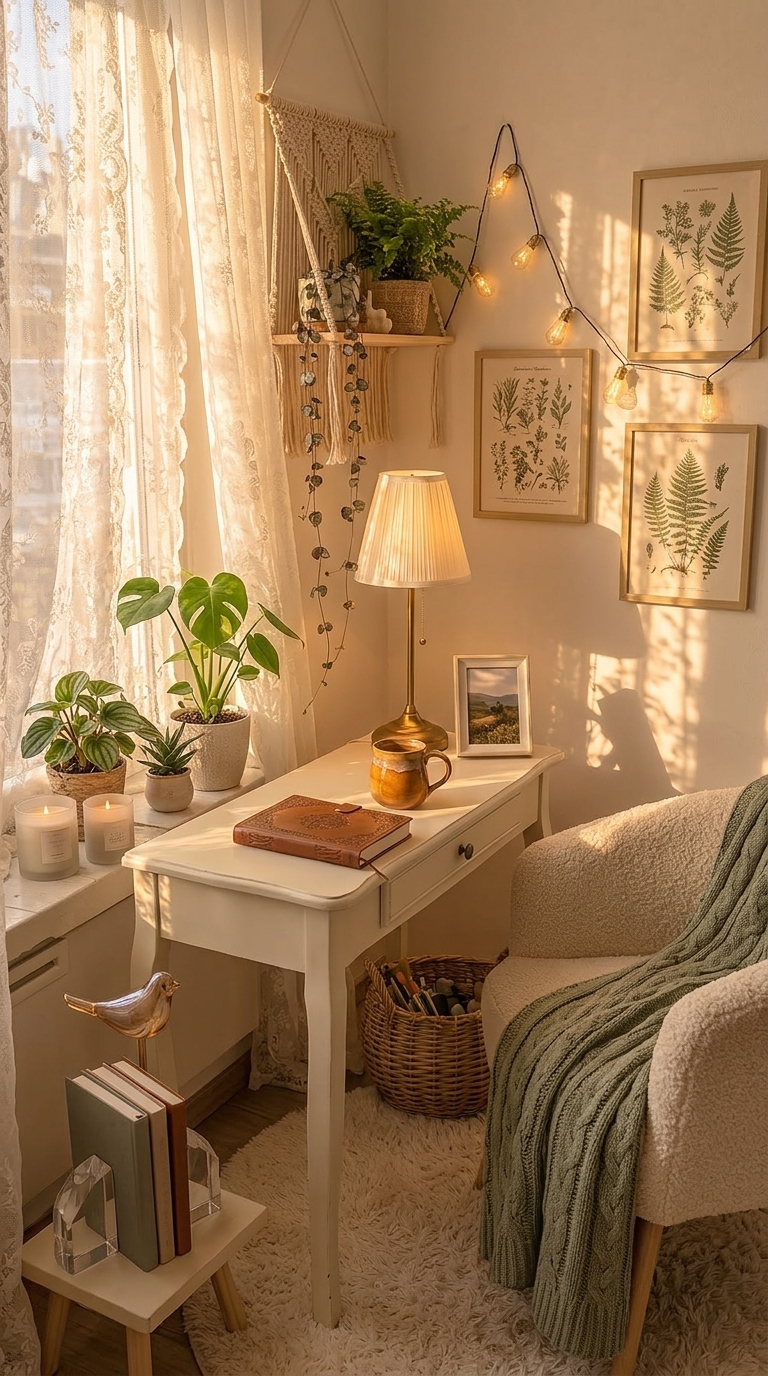
Creating a functional and inviting home office starts with understanding how light and decor work together in your space.
This guide shows how to use natural light from your window to support healthy plants while enhancing your workspace's aesthetic.
1. Assess Your Light Conditions
Start by observing how sunlight moves through your window throughout the day. The sheer curtains in the image diffuse the light, creating a soft, even glow that is ideal for most houseplants. Avoid placing plants directly in the sunbeam, as this can scorch leaves, but position them where they receive bright, indirect light for several hours daily.
Check the direction of your window: south-facing windows provide the most consistent light, while east or west-facing ones offer strong morning or afternoon sun. Use this information to choose plants that match your light availability, such as ferns or pothos for lower light areas and monstera or snake plants for brighter spots.
2. Choose the Right Plant Placement
The macrame shelf in the image is a smart solution for vertical gardening without taking up desk space. Hang it near the window so plants get adequate light, and ensure the shelf is securely mounted to avoid accidents. This placement keeps plants visible and accessible while adding texture to the wall.
Avoid cluttering the desk surface with too many items. The image shows a single plant on the windowsill and one on the shelf, which maintains a clean look. Use a small side table or shelf for additional plants to keep the main workspace clear for work and writing.
3. Use Natural Light to Reduce Artificial Needs
The string lights in the image provide warm ambiance but are not a substitute for natural light. Rely on daylight during the day to reduce the need for artificial lighting, which can stress plants. Position your desk so you can see the window while working, making it easier to monitor plant health and adjust their position as needed.
When natural light is limited, supplement with a simple lamp like the one on the desk. Choose a bulb with a color temperature around 5000K to mimic daylight, which supports photosynthesis without disrupting your sleep cycle at night.
4. Maintain Plant Health with Simple Routines
Water your plants only when the top inch of soil is dry, as overwatering is a common mistake that leads to root rot. The image shows plants on the windowsill, which are easier to check daily. Use a small watering can with a long spout for precise watering, especially for plants in hanging pots.
Dust leaves regularly to keep them healthy and able to absorb light. A soft cloth or gentle spray of water works well. The fern in the image benefits from this care, as its delicate fronds can collect dust that blocks light.
5. Avoid Common Plant Care Mistakes
Never place plants near drafts from heaters or air conditioners, as this can dry out leaves. The image shows the window area is calm, which is ideal. Also, avoid using tap water with high mineral content, which can leave white residue on leaves; filtered or distilled water is better for sensitive plants.
Don't overcrowd plants on shelves or windowsills. The image shows a balanced arrangement with space between each plant, allowing for air circulation and reducing the risk of pests or fungal issues.
- Observe sunlight patterns in your home office for 3 days to determine the best plant locations.
- Choose 1-2 low-maintenance plants that match your light conditions, such as pothos or snake plants.
- Install a secure macrame shelf or wall-mounted planter near the window for vertical plant display.
- Water plants only when the top inch of soil is dry, using a small watering can for precision.
- Dust plant leaves weekly with a soft cloth to maintain light absorption and health.
- Avoid placing plants in direct sunbeams or near heating vents to prevent leaf scorch or drying.
- Keep the desk surface clear by using a small side table for additional plants instead of cluttering the main workspace.