Bring Life to Your Home Office with These 5 Plant Placement Tips
Creating a home office that feels both productive and peaceful requires thoughtful decor choices, and plants are one of the most effective tools for transforming a functional space into a sanctuary.
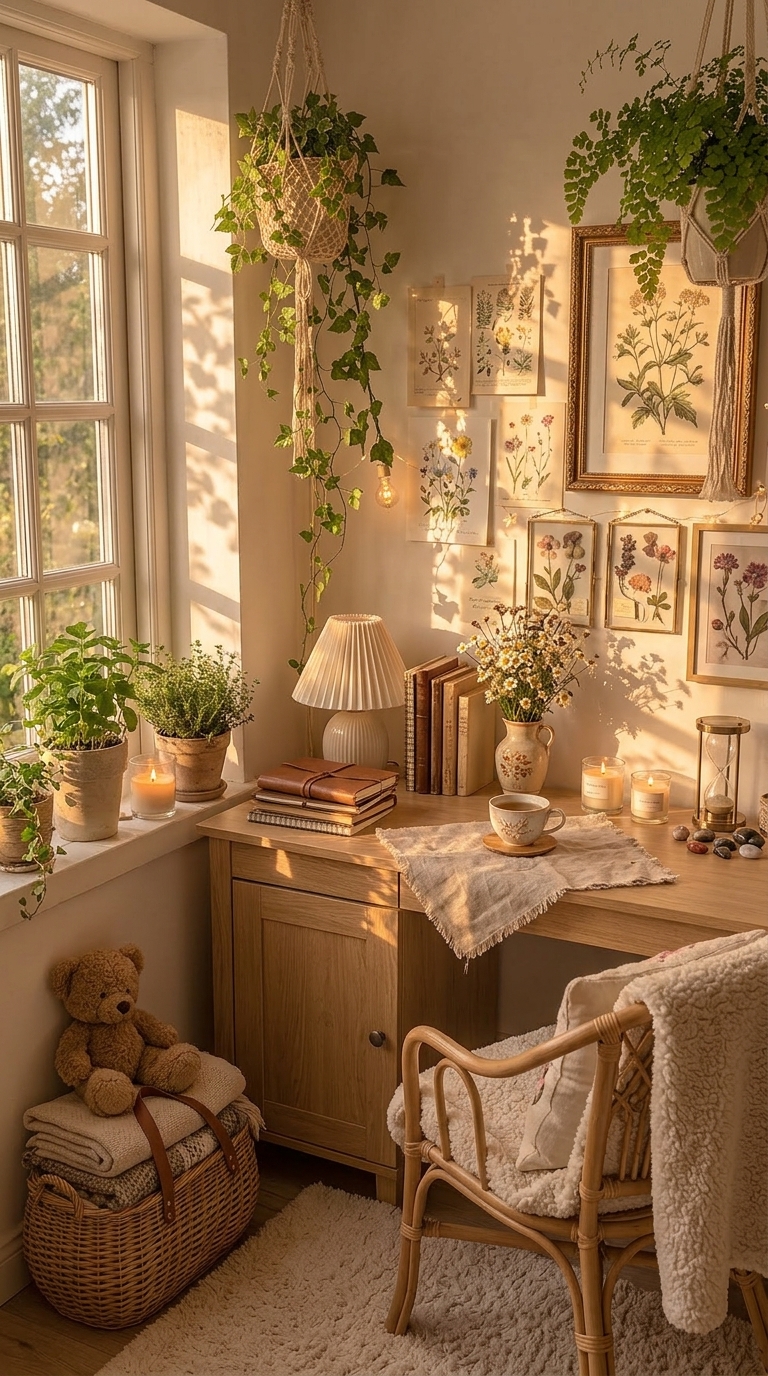
The image shows a warm, inviting home office setup where natural light streams through a window, illuminating a collection of greenery that softens the room's lines and adds a sense of calm.
1. Assess Your Light Conditions Before Choosing Plants
The first step in successfully incorporating plants into your home office is to evaluate the natural light available in your space. Observe how many hours of direct sunlight your desk area receives throughout the day, as this will determine which plants will thrive. For instance, if your office is dimly lit, low-light tolerant plants like snake plants or pothos are ideal, while bright, indirect light suits ferns or peace lilies.
Avoid placing plants in areas with harsh, direct afternoon sun, which can scorch leaves and create a stressful environment for the plant. Instead, position them where they receive gentle, filtered light, such as near a north-facing window or a few feet back from a south-facing one, to ensure they remain healthy and vibrant.
2. Use Vertical Space to Maximize Greenery Without Clutter
To keep your home office feeling open and uncluttered, consider using vertical space for your plants. Hanging planters, like the macrame basket seen in the image, draw the eye upward and free up valuable desk and floor space. This is especially beneficial in smaller home offices where every square foot counts.
Wall-mounted planters or shelves can also be used to display a collection of small plants without adding bulk to the room. This approach not only adds visual interest but also creates a natural, calming backdrop that enhances focus and reduces stress during work hours.
3. Choose Plants That Complement Your Office Aesthetic
The plants in the image are chosen to complement the room's warm, natural aesthetic, featuring earthy tones and organic textures. When selecting plants for your home office, consider how their color, shape, and size will interact with your existing furniture and decor. For example, a trailing ivy adds a soft, flowing element that contrasts nicely with the clean lines of a wooden desk.
Avoid choosing plants with overly large leaves or dense foliage that might overwhelm a small space. Instead, opt for plants with delicate leaves or interesting textures, such as a small succulent arrangement or a delicate fern, to maintain a balanced and harmonious look.
4. Integrate Plants into Your Workspace for Functional Benefits
Beyond aesthetics, plants in your home office can offer tangible benefits like improved air quality and reduced stress. The image shows a small arrangement of daisies in a vase on the desk, which adds a touch of nature without being distracting. This type of low-maintenance, decorative plant is ideal for a workspace.
Place a plant near your workspace where you can easily see it, such as on a side table or shelf, to create a visual break from your screen. This simple act of looking at greenery can help reduce eye strain and mental fatigue during long work sessions.
5. Maintain Your Plants for Long-Term Success
To keep your home office plants healthy and looking their best, establish a simple care routine. Check the soil moisture regularly, as overwatering is a common mistake that leads to root rot. Most office plants prefer to dry out slightly between waterings, so use your finger to test the soil before watering.
Prune any dead or yellowing leaves promptly to encourage new growth and maintain the plant's appearance. This small act of care not only keeps your plants looking fresh but also reinforces a sense of responsibility and connection to your workspace.
- Measure the natural light in your home office to determine which plants will thrive.
- Choose a hanging planter or wall shelf to use vertical space and free up desk area.
- Select plants with textures and colors that complement your existing furniture and decor style.
- Place a small, low-maintenance plant on your desk for immediate visual and air quality benefits.
- Check soil moisture before watering to avoid overwatering and root rot.
- Prune dead leaves regularly to keep plants healthy and looking their best.