How to Layer Rugs for a Cozy Living Room
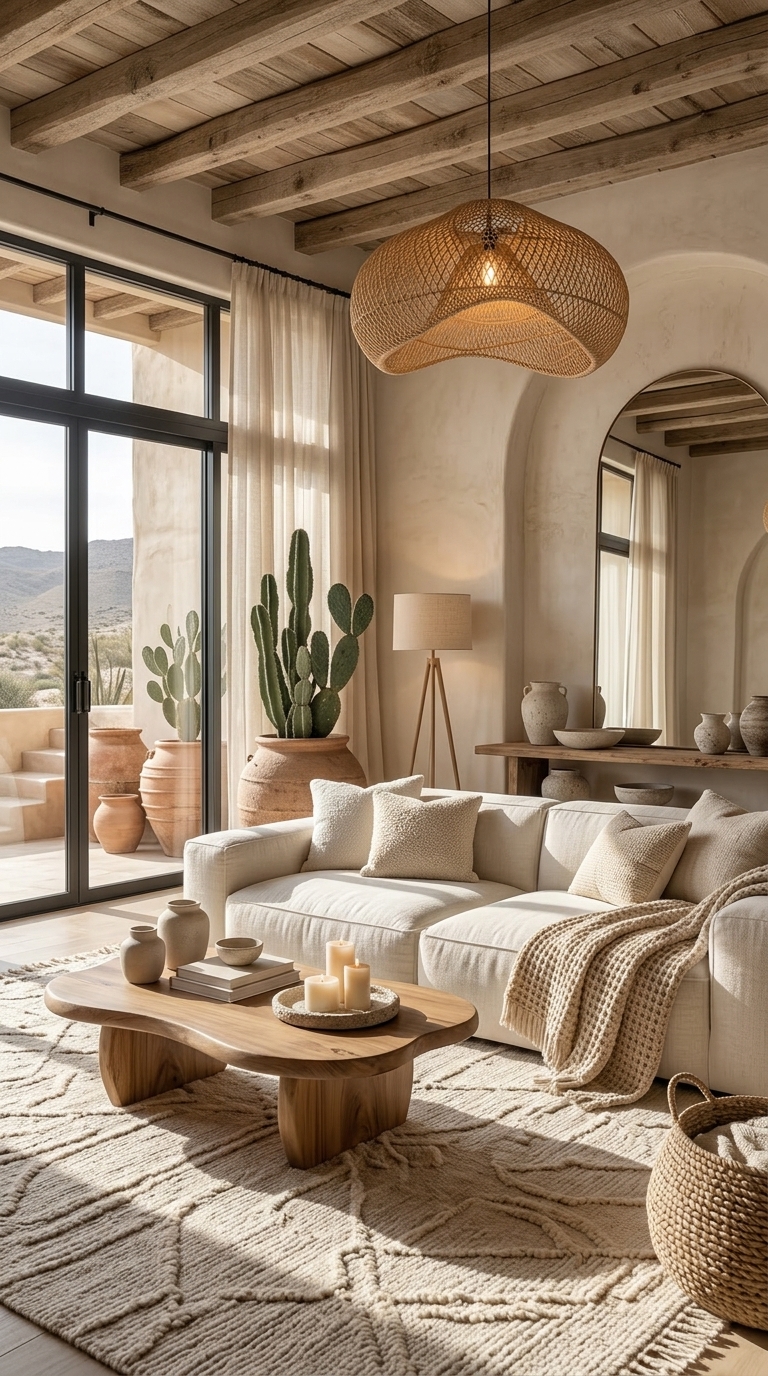
Creating a warm and inviting living room often starts with the right foundation, and layering rugs is one of the most effective yet underutilized techniques.
This guide shows how to combine textures and sizes to add depth and comfort to your space without overwhelming it.
1. Understand the Purpose of Layering
Layering rugs isn't just about aesthetics; it's about creating distinct zones within an open space, especially in living rooms where the sofa, coffee table, and pathways need clear definition.
A well-layered setup prevents the room from feeling flat or disjointed by adding dimension and anchoring furniture in a cohesive way.
2. Choose the Right Base Rug
Start with a large, neutral-colored rug that covers most of the floor area under the main seating arrangement, such as a 8x10 or 9x12 size.
Ensure the base rug extends at least 12 inches beyond the front legs of the sofa and the coffee table to create a balanced, grounded look.
3. Select a Complementary Accent Rug
Choose a smaller rug with texture, pattern, or a contrasting color to place on top of the base rug, ideally under the coffee table and front seating area.
The accent rug should be about one-third to one-half the size of the base rug to maintain proportion and avoid looking cluttered.
4. Match Textures for Cohesion
Pair a flat-weave base rug with a high-pile or woven accent rug to create tactile contrast while keeping the color palette harmonious.
Avoid mixing too many textures at once; limit to two distinct textures to prevent visual noise and maintain a calm, layered feel.
5. Consider Placement and Flow
Ensure the layered rugs allow for easy movement—don't block doorways or create tripping hazards, and make sure the coffee table sits centrally on the top rug.
Use furniture sliders or felt pads under the legs of heavy pieces to prevent the rugs from shifting and to protect the fabric.
- Measure the space under your sofa and coffee table to determine base rug size.
- Choose a base rug that extends beyond furniture legs for balance.
- Select an accent rug that is smaller and textured to sit on top of the base.
- Ensure the accent rug doesn't block pathways or doorways.
- Use furniture sliders to keep rugs in place and protect flooring.
- Limit textures to two types for a cohesive, uncluttered look.
- Check that the coffee table sits centered on the top rug for visual harmony.