Layering Rugs for Cozy Living Room Texture and Style
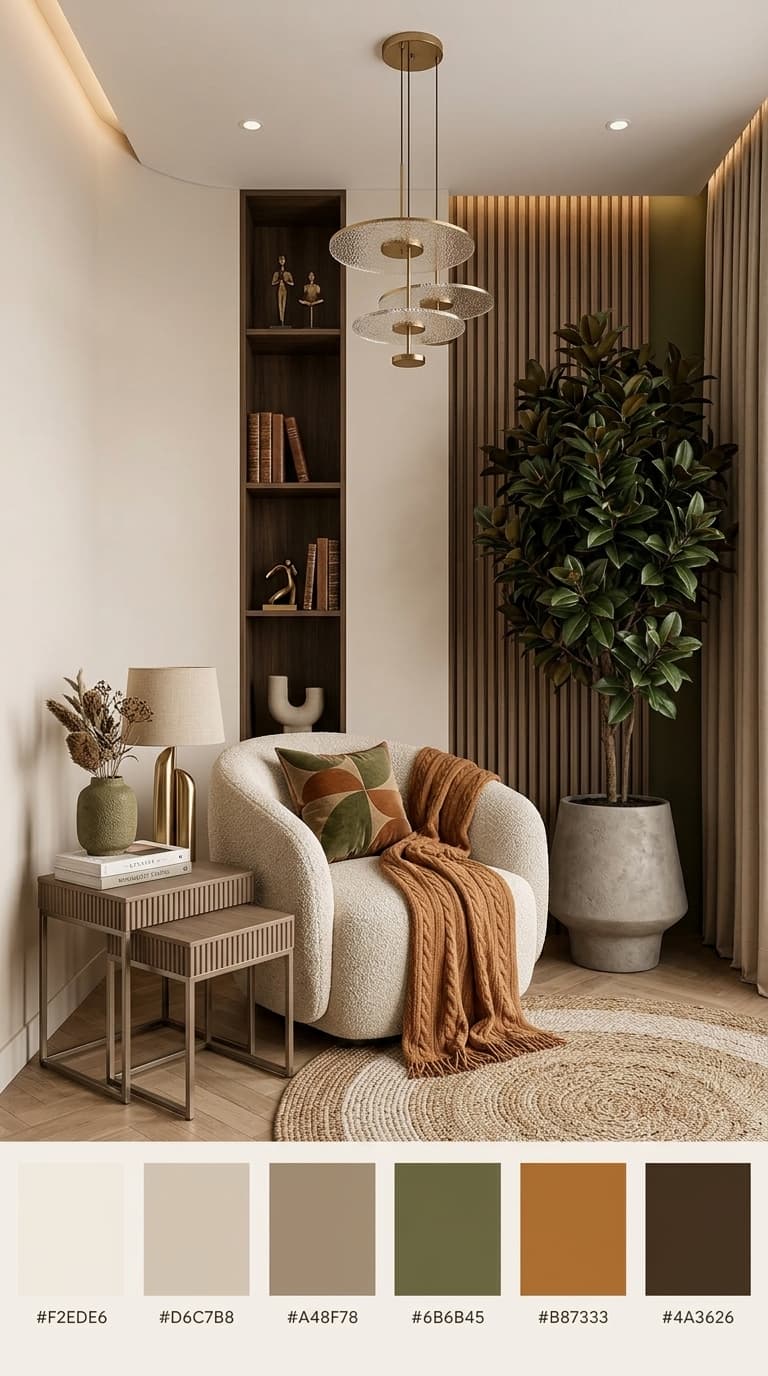
Creating a warm and inviting living room often comes down to layering textures and colors, and one of the most effective ways to achieve this is through strategic rug placement. The image showcases a beautiful example of how two distinct rugs can work together to define a space and enhance its overall comfort. A large, natural fiber rug provides a foundational element, while a smaller, round jute rug is layered on top, adding a focal point and a touch.
The art of layering rugs is about more than just aesthetics; it's about creating a tactile experience that elevates your living space. In this particular setup, the combination of a larger, perhaps sisal or seagrass rug, with a smaller, more intricately woven jute rug on top, offers a delightful contrast in both feel and appearance. This technique is particularly useful in larger rooms where a single rug might feel lost, or in smaller spaces where you want to create.
1. Choosing Your Base Rug
The foundation of any successful rug layering project is the base rug. In the image, a substantial, neutral-toned rug serves this purpose, providing a broad canvas for the smaller rug. When selecting your base rug, consider its size and material. It should be large enough to extend under the front legs of your main furniture pieces, such as sofas and armchairs, to visually connect them.
When choosing a base rug, it's crucial to measure your space accurately. A rug that is too small can make a room feel smaller and less cohesive. Aim for a rug that is at least 6-12 inches larger than the seating area it defines. For instance, if your sofa and two armchairs form a conversational grouping, the rug should extend beyond the edges of these pieces.
2. Selecting the Accent Rug
The accent rug is where you can inject personality and a secondary layer of texture or pattern. The image demonstrates this beautifully with a round jute rug placed atop the larger base rug. This smaller rug acts as a focal point, drawing the eye and adding a distinct character to the arrangement. When selecting your accent rug, consider its shape, color, and pattern. Round rugs, as seen here, can soften the lines of rectangular furniture and create a more.
The material and weave of your accent rug play a significant role in its impact. A jute rug, with its natural variations and slightly coarser texture, adds an organic, earthy feel. Other options could include a vintage-inspired Persian rug with intricate patterns, a plush shag rug for added softness, or a rug with a geometric design to introduce a modern edge. When placing the accent rug, position it strategically to highlight a specific piece of furniture, like an armchair.
3. Placement and Proportion
The success of layered rugs hinges on thoughtful placement and proportion. The image shows the round accent rug centered within the seating area, creating a clear focal point. Generally, the accent rug should be placed so that it is at least partially visible around its entire perimeter, with a border of the base rug showing. This visual separation is what defines the layering effect.
When determining the right proportions, aim for an accent rug that is significantly smaller than the base rug, but not so small that it gets lost. A good rule of thumb is for the accent rug to be roughly one-third to one-half the size of the base rug, or to be sized to fit comfortably under a specific piece of furniture, like a single armchair or a pair of side chairs.
4. Color and Texture Harmony
Achieving a harmonious blend of colors and textures is key to making layered rugs look intentional and stylish. The image uses a palette of warm neutrals and earthy tones, with the accent rug's natural texture complementing the base rug's material. When selecting your rugs, look for elements that tie them together. This could be a shared color, a similar texture, or a complementary pattern.
Don't be afraid to mix textures. The contrast between a smooth, tightly woven base rug and a plush, high-pile accent rug can add significant depth and comfort. Similarly, pairing a natural fiber rug with a more refined material like wool or silk can create an interesting juxtaposition. Consider the overall mood you want to create. For a cozy, bohemian vibe, layer natural fibers with textured weaves.
5. Avoiding Common Mistakes
One of the most common pitfalls when layering rugs is choosing pieces that are too similar in size or pattern, which can make the arrangement look accidental rather than deliberate. Another mistake is placing the accent rug too close to the edge of the base rug, or having it extend too far beyond the furniture grouping, which can disrupt the visual flow and create a sense of imbalance.
Another frequent error is selecting rugs that clash in color or style. While contrast can be effective, it should be intentional and complementary. For instance, a brightly colored, modern rug layered over a traditional, muted Persian rug might not create the desired cohesive look unless carefully curated. Also, consider the scale of the rugs in relation to your room and furniture. A tiny accent rug on a vast base rug can look disproportionate, just as an accent rug that.
6. Styling Your Layered Rugs
Once your rugs are layered, consider how they interact with the surrounding furniture and decor. The accent rug in the image draws attention to the armchair, making it feel like a cozy nook. You can enhance this by placing a small side table next to the chair, perhaps holding a lamp and a book, further defining the space. The texture of the accent rug can also be echoed in other elements, such as throw pillows or blankets, creating a.
Think about how the layered rugs contribute to the overall ambiance. The combination of textures and the defined area they create can make a living room feel more intimate and welcoming. If you have a large, open-plan space, rug layering can help delineate different functional zones without the need for walls or dividers. For instance, you could layer rugs under your main seating area and then use a different, perhaps smaller, layered rug setup under a dining table or.
- Measure your seating area to determine the appropriate size for your base rug.
- Select a durable, neutral-toned rug as your base layer.
- Choose an accent rug with a complementary color, pattern, or texture.
- Position the accent rug so that a border of the base rug is visible around it.
- Ensure both rugs lie flat and consider a non-slip pad for the base rug.
- Coordinate the accent rug's style with other decor elements in the room.