Layering Rugs for Cozy Texture and Defined Style in Your Living Room
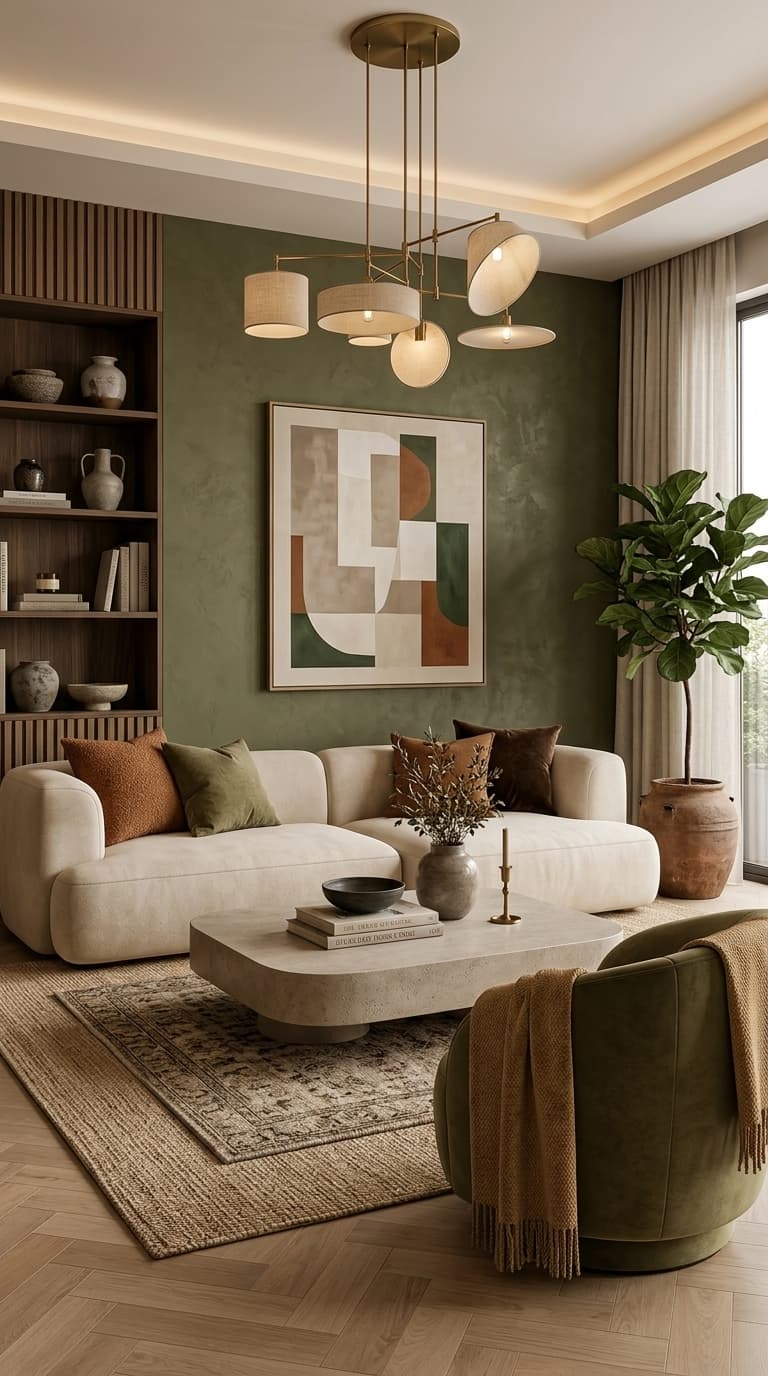
Creating a warm and inviting living room often involves thoughtful layering of textures and patterns. One of the most effective ways to achieve this is by layering rugs. This technique not only adds visual depth and interest but also helps define different zones within a larger space or anchors the furniture in a smaller one. The image showcases a beautiful example of rug layering, where a natural fiber rug, likely jute or sisal, provides a foundational texture, and a.
Layering rugs is a versatile design strategy that can adapt to various decor styles, from bohemian and eclectic to modern and minimalist. It allows you to play with different materials, colors, and patterns to create a unique look that reflects your personal taste. Beyond aesthetics, layering can also provide extra cushioning and warmth, making your living area feel more comfortable and lived-in. When done correctly, it can even help protect your flooring underneath from wear and tear.
1. Choosing Your Base Rug
The foundation of any successful rug layering project is the base rug. Typically, this is a larger, more neutral rug that sets the tone and provides a broad canvas for your design. Natural fiber rugs, such as jute, sisal, seagrass, or even a simple woven wool, are excellent choices for this role. Their inherent textures add warmth and organic appeal without overwhelming the space.
When selecting your base rug, think about its color and texture in relation to your flooring and furniture. A light-colored jute rug can brighten a darker wood floor, while a darker sisal can add depth to lighter flooring. The texture should be substantial enough to provide a good base but not so rough that it's uncomfortable. Avoid overly plush or high-pile base rugs, as they can make layering difficult and create a tripping hazard.
2. Selecting the Top Rug
The top rug is where you can introduce pattern, color, and a more refined aesthetic. This rug is usually smaller than the base rug and is strategically placed to add a focal point or complement the existing decor. Think about the patterns and colors in your room's artwork, upholstery, or accent pieces. The top rug can echo these elements, tying the room together. Geometric patterns, traditional motifs, or abstract designs can all work, depending on your desired style.
When choosing the top rug, consider its placement. It doesn't have to be perfectly centered. Often, placing it slightly off-center, perhaps under a coffee table or extending from one side of the sofa, can create a more dynamic and visually interesting composition. Ensure there's a noticeable border of the base rug visible around the top rug, typically at least 6-12 inches, to clearly define the layering effect.
3. Balancing Texture and Pattern
The interplay between textures and patterns is crucial when layering rugs. The image demonstrates a successful balance: a coarse, natural jute rug provides a grounding, textural base, while a rug with a more delicate, traditional pattern sits atop it. This contrast creates visual interest and tactile appeal. Aim for a mix of textures – perhaps a rough weave with a smoother wool or a natural fiber with a synthetic blend.
Don't be afraid to experiment with different combinations. Sometimes, two rugs with similar textures but contrasting patterns can work, or vice versa. The goal is to create a layered effect that feels intentional and harmonious, not chaotic. Think about how the colors of the two rugs interact. They can either complement each other through similar tones or create a striking contrast. Ensure the overall effect enhances the room's existing color palette and doesn't introduce too many competing elements.
4. Defining Furniture Arrangement
Layered rugs are excellent for visually defining seating areas, especially in open-plan living spaces. By placing a layered rug arrangement under your sofa, coffee table, and accent chairs, you create a distinct 'zone' that anchors the furniture and signals the purpose of that area. This is particularly effective when you want to separate the living room from a dining area or a home office within the same room.
Consider the scale of your furniture in relation to the rugs. If you have a large sectional sofa, you'll need a substantial base rug to accommodate it. The top rug should then be sized to complement the main seating arrangement without overwhelming it. If your furniture is more petite, a smaller layered rug combination might be more appropriate. The layering itself can also help to visually break up a large rug or add interest to a smaller rug that.
5. Practical Considerations and Placement
Beyond aesthetics, practical considerations are vital for successful rug layering. Ensure the combined thickness of the rugs doesn't create a tripping hazard, especially in high-traffic areas. A rug pad between the flooring and the base rug can prevent slipping and add cushioning. Similarly, a rug pad or a non-slip backing on the top rug can help keep it in place. When placing the top rug, aim for at least a few inches of the base rug to show around.
Think about the room's overall flow. The layered rugs should not impede movement. Ensure there's enough clearance around the arrangement for comfortable walking. If you have pets or children, consider the ease of cleaning. Natural fiber rugs can be more challenging to clean than synthetic ones, so choose materials that suit your lifestyle. Regularly vacuuming both rugs, and spot-cleaning spills promptly, will help maintain their appearance. Rotating the rugs occasionally can also help ensure even wear.
6. Avoiding Common Mistakes
One common mistake is choosing rugs that are too small for the space, making the furniture appear to float awkwardly. Ensure your base rug is large enough to anchor the main seating area. Another pitfall is selecting two rugs with clashing patterns or colors; the goal is harmony, not discord. If you're unsure, opt for a neutral base rug and a patterned top rug, or vice versa.
Another mistake is placing the top rug haphazardly without considering its relationship to the base rug and the furniture. Ensure there's a visible border of the base rug around the top rug, and that the top rug is positioned thoughtfully within the seating area. Overlapping rugs too much can obscure the design of the base rug and make the space feel smaller. Finally, don't forget about the practicalities: ensure the layered rugs are secure and don't pose a tripping.
- Measure your seating area to determine the appropriate size for your base rug.
- Select a base rug with a natural texture or neutral color to provide a solid foundation.
- Choose a top rug with a complementary pattern or color that adds visual interest.
- Ensure there is a visible border of the base rug around the top rug.
- Check that the combined thickness of the rugs does not create a tripping hazard.
- Consider using rug pads to prevent slipping and add cushioning.