Brighten Your Living Room: Smart Ways to Maximize Natural Light
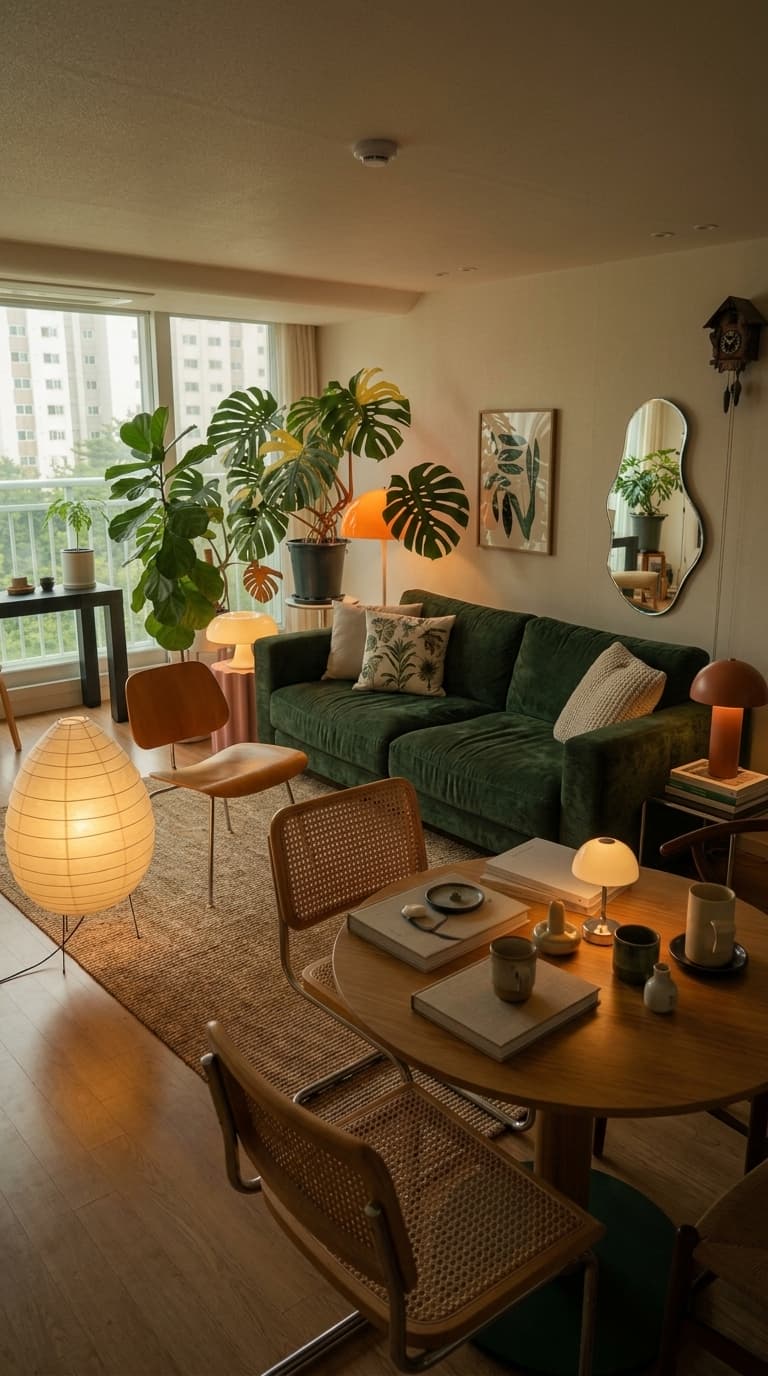
The ambiance of a room is profoundly influenced by its lighting, and natural light plays a crucial role in creating a welcoming and airy atmosphere. In this living space, the strategic placement of large windows allows ample daylight to stream in, complemented by a thoughtful selection of artificial light sources that mimic its warmth. Maximizing natural light isn't just about aesthetics; it can also positively impact mood and productivity.
Achieving a bright and airy living room is a common decorating goal, and it often starts with understanding how light interacts with your space. The image showcases a room where natural light is a primary design element, enhanced by the careful selection of furniture and decor. From the large, floor-to-ceiling windows to the reflective surfaces and the strategic use of plants, every detail contributes to a luminous feel.
1. Harnessing Window Light
The primary source of natural light in any room is its windows. In the featured living area, the expansive windows are a key feature, allowing a significant amount of daylight to enter. To maximize this effect, ensure your windows are clean and unobstructed. Consider the type of window treatments you use; sheer curtains or blinds that can be fully opened will allow more light to pass through than heavy, opaque drapes.
Beyond simply opening blinds, think about how the window area itself is styled. In the image, there are no heavy curtains, allowing the light to flood in. If your windows are smaller or less ideally placed, you can still enhance the light they provide. Avoid placing large, dark furniture directly in front of windows, as this can block light and create shadows. Instead, consider placing lighter-colored furniture or decorative items nearby.
2. Strategic Furniture Placement
The arrangement of furniture plays a critical role in how light, both natural and artificial, is distributed throughout a room. In the image, the sofa is positioned to face the windows, allowing occupants to enjoy the natural light and the view. Avoid placing large, dark pieces of furniture directly in the path of incoming light, as they can absorb it and cast shadows. Instead, orient your seating areas to take advantage of window light.
When planning your furniture layout, think about the flow of light. If a large piece of furniture, like a dark sofa, is blocking a significant light source, consider repositioning it. Perhaps it could be placed against a wall that receives more ambient light, or angled to allow light to pass behind it. In smaller rooms, furniture with legs, such as the chairs shown, can create a sense of openness by allowing light to travel underneath.
3. The Power of Reflective Surfaces
Reflective surfaces are invaluable tools for enhancing natural light and making a room feel more spacious. Mirrors are the most obvious choice, and their placement can dramatically alter the perception of light. In the image, a uniquely shaped mirror hangs on the wall, reflecting light from the windows and lamps, adding depth and brightness to the space. Consider placing a mirror directly opposite a window to bounce light back into the room, or on a wall that receives indirect light to amplify.
Beyond mirrors, other materials can also help to reflect light. Glossy finishes on furniture, metallic accents, and even light-colored paint can contribute to a brighter room. The wooden furniture in the image, with its natural sheen, reflects light subtly. Consider incorporating elements like a glass-top coffee table, metallic lamp bases, or even a high-gloss paint finish on a particular wall or piece of furniture. These elements don't just add visual interest; they actively work to bounce light around the room, making it.
4. Layering Artificial Lighting
While the focus is on natural light, a well-lit room also requires thoughtful artificial lighting. The image demonstrates a beautiful layering of light sources, including a large floor lamp with a paper shade, a table lamp with an orange shade, and smaller accent lamps. This approach ensures that the room is well-lit at all times, and the artificial light complements the natural light. Ambient lighting, like the large floor lamp, provides overall illumination.
The type and color of artificial light are also important. Warm-toned bulbs, like those that appear to be used in the image, create a cozy and inviting atmosphere that mimics the warmth of natural sunlight. Avoid harsh, cool-toned lighting, which can make a room feel sterile and less welcoming. Consider using dimmers on your lights to control the intensity and mood. By strategically placing lamps at different heights and in various corners of the room, you can ensure that no area is.
5. The Role of Color and Texture
The colors and textures of your decor significantly impact how light is absorbed or reflected. Lighter colors, such as whites, creams, and pastels, tend to reflect light, making a room appear larger and brighter. In the image, while the sofa is a deep green, the walls are a neutral, light tone, and the rug is a natural, textured beige, which helps to keep the space feeling open. Consider using lighter shades for walls, ceilings, and larger furniture pieces.
Texture also plays a role in how light interacts with surfaces. Smooth, glossy textures reflect more light than rough, matte ones. However, a balance is key to creating a visually interesting and comfortable space. The woven texture of the chairs and rug in the image adds warmth and depth without making the room feel dark. If your room has many dark or heavily textured surfaces, consider introducing elements with smoother finishes or lighter colors to balance the light absorption.
6. Incorporating Greenery
Plants can bring life and vibrancy into a room, and their presence can also subtly influence the perception of light. The large, lush plants in the image add a natural element and a touch of color, but their placement is also important. While plants can cast shadows, their leaves can also reflect light, especially if they have a glossy finish. Position plants strategically so they don't block major light sources.
The type of pot and its placement also matter. Lighter-colored pots can help to reflect light, while darker pots might absorb it. If you have a particularly dark corner, a plant in a light-colored pot can help to brighten it. Furthermore, the act of caring for plants often involves opening windows and curtains, which naturally increases the amount of natural light entering the room. The visual appeal of healthy greenery can also make a space feel more alive and inviting, contributing to.
- Clean all windows and ensure they are free of obstructions.
- Assess your current furniture layout and reposition pieces to maximize light flow.
- Identify potential locations for mirrors to reflect natural light deeper into the room.
- Choose sheer or easily adjustable window treatments if privacy is needed.
- Incorporate lighter paint colors or reflective finishes on walls and furniture.
- Add plants strategically, considering their pot color and placement to enhance brightness.