Create Zones in Small Studio Apartments with Room Dividers
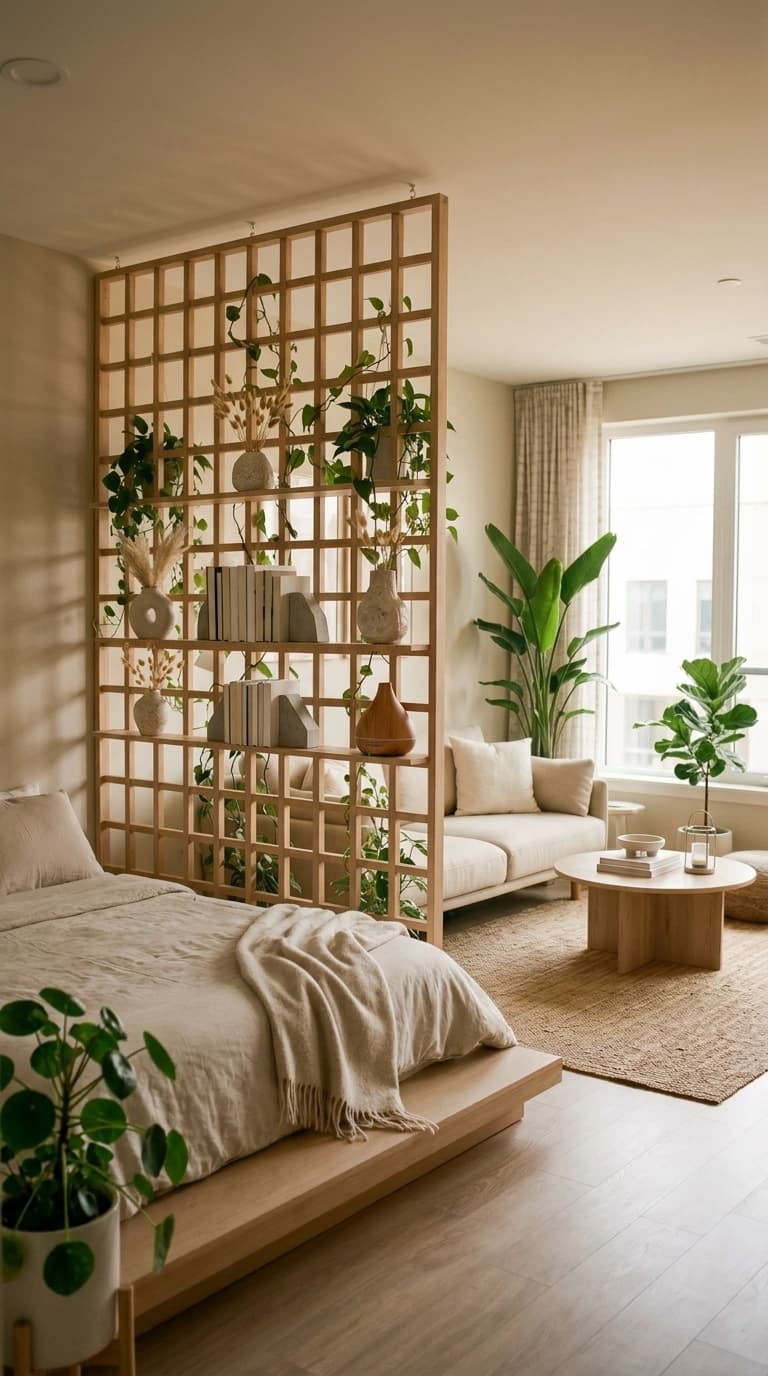
Studio apartments offer a compact and often budget-friendly living solution, but they can present a unique challenge when it comes to defining distinct living areas. Without walls to separate the bedroom from the living room or kitchen, the entire space can feel like one large, undifferentiated room. This can lead to a lack of privacy, difficulty in creating a cozy atmosphere, and a general feeling of clutter.
The strategic use of a room divider can transform a studio apartment from a single-purpose room into a multi-functional dwelling. Imagine being able to create a distinct sleeping sanctuary that feels separate from your workspace or relaxation zone, or establishing a clear boundary for your kitchen area to minimize visual clutter. This not only enhances the aesthetic appeal of your home but also significantly improves its livability.
1. Choosing the Right Room Divider Style
The visual impact of a room divider is significant, and its style should complement your existing decor. In a studio apartment, where every element contributes to the overall feel, selecting a divider that aligns with your aesthetic is crucial. Options range from solid panels that offer maximum privacy to open-lattice designs that allow light to pass through and provide a more airy feel. Materials also play a key role; wood can bring warmth and a natural element, while metal or fabric dividers.
Beyond aesthetics, consider the functional aspects of your chosen divider. Some room dividers are designed with built-in shelving, offering valuable storage space for books, decorative items, or even plants. This dual-purpose functionality is particularly beneficial in small apartments where every square foot counts. Others might be foldable, allowing you to reconfigure your space as needed. Think about how much light you want to allow into each zone.
2. Strategic Placement for Maximum Impact
The placement of your room divider is paramount to its success in defining zones. In a studio apartment, the goal is often to create distinct areas for sleeping, living, and working without making the space feel cramped. A common strategy is to place the divider between the bed and the main living area. This provides a sense of privacy for your sleeping space, making it feel more like a separate bedroom.
When deciding on placement, think about the primary function of each zone you're creating. If you want to create a cozy reading nook, position the divider to shield that area from the rest of the room. If you're trying to hide a less aesthetically pleasing area, like a small kitchenette, place the divider strategically to obscure it. Measure your space carefully before purchasing a divider to ensure it fits the intended location without overwhelming the room.
3. Incorporating Greenery and Decor
Room dividers offer a fantastic opportunity to introduce plants and decorative elements, enhancing both the aesthetic and the atmosphere of your studio apartment. The lattice divider in the image is a prime example, showcasing how plants can be integrated to soften the structure and bring life into the space. Trailing plants, like ivy or pothos, can cascade down the sides, creating a natural curtain effect. Smaller potted plants can be placed on shelves or the floor at the base of the divider.
Beyond plants, use the shelves of your room divider to display curated decorative items. Books, vases, candles, and small sculptures can add personality and style. Group items in odd numbers and vary their heights and textures for a more dynamic display. Avoid overcrowding the shelves, as this can lead to a cluttered appearance, which is counterproductive in a small space. The goal is to create vignettes that are visually appealing and reflect your personal taste.
4. Lighting Considerations with Dividers
Lighting is a critical element in any room, and it becomes even more important when using room dividers in a studio apartment. The way a divider interacts with natural and artificial light can significantly impact the perceived size and ambiance of your space. If your divider is solid or opaque, it can block natural light from reaching certain areas, making them feel darker. In such cases, consider supplementing with additional lighting sources.
When choosing a divider, think about how it will affect the lighting in both zones. If you want to maintain a bright and airy feel, opt for a divider that is translucent or has an open design, like the wooden lattice shown. This allows light to filter through, maintaining a connection between the spaces. You can also incorporate lighting directly into the divider itself. Some modern dividers come with integrated LED lighting, which can provide ambient illumination and highlight decorative items.
5. Maintaining Flow and Avoiding Clutter
While room dividers are excellent for creating separation, it's essential to maintain a sense of flow and avoid creating visual clutter. In a small studio, a poorly placed or overly large divider can make the space feel smaller and more confined. Always consider the primary pathways through your apartment and ensure the divider doesn't impede movement. If your divider has shelves, be mindful of what you place on them.
To avoid clutter, adopt a minimalist approach to styling your room divider and the surrounding areas. Choose a few key decorative pieces for the shelves rather than filling every available space. Similarly, keep the floor area around the divider clear. Avoid placing large furniture pieces too close to it, which can make the space feel cramped. If your divider is used to separate a workspace, ensure that work-related items are neatly stored away when not in use.
6. Practical Considerations for Studio Living
Living in a studio apartment often means making smart choices about furniture and layout to maximize functionality. Room dividers are a powerful tool in this regard, allowing you to create distinct zones for different activities without sacrificing precious floor space. When selecting a divider, consider its footprint. A freestanding divider is a good option if you want flexibility, as it can be moved or removed easily. If you have a slightly larger studio, a more permanent-looking divider, perhaps one that extends from.
Think about the specific needs of your studio. If you work from home, you might want a divider that can create a dedicated office space, perhaps with integrated shelving for supplies. If you entertain frequently, consider a divider that can be easily opened or moved to create a more expansive living area when needed. Always measure your space carefully and consider how the divider will integrate with your existing furniture.
- Measure your studio space to determine the ideal size and placement for your room divider.
- Consider the primary function of each zone you wish to create (e.g., sleeping, living, working).
- Choose a room divider style and material that complements your existing decor.
- Incorporate plants or decorative items onto the divider shelves to add personality and soften the structure.
- Ensure adequate lighting in all zones, especially if your divider blocks natural light.
- Regularly declutter and organize items on and around the divider to maintain a tidy space.