How to Place Plants in Your Living Room for a Calm, Balanced Look
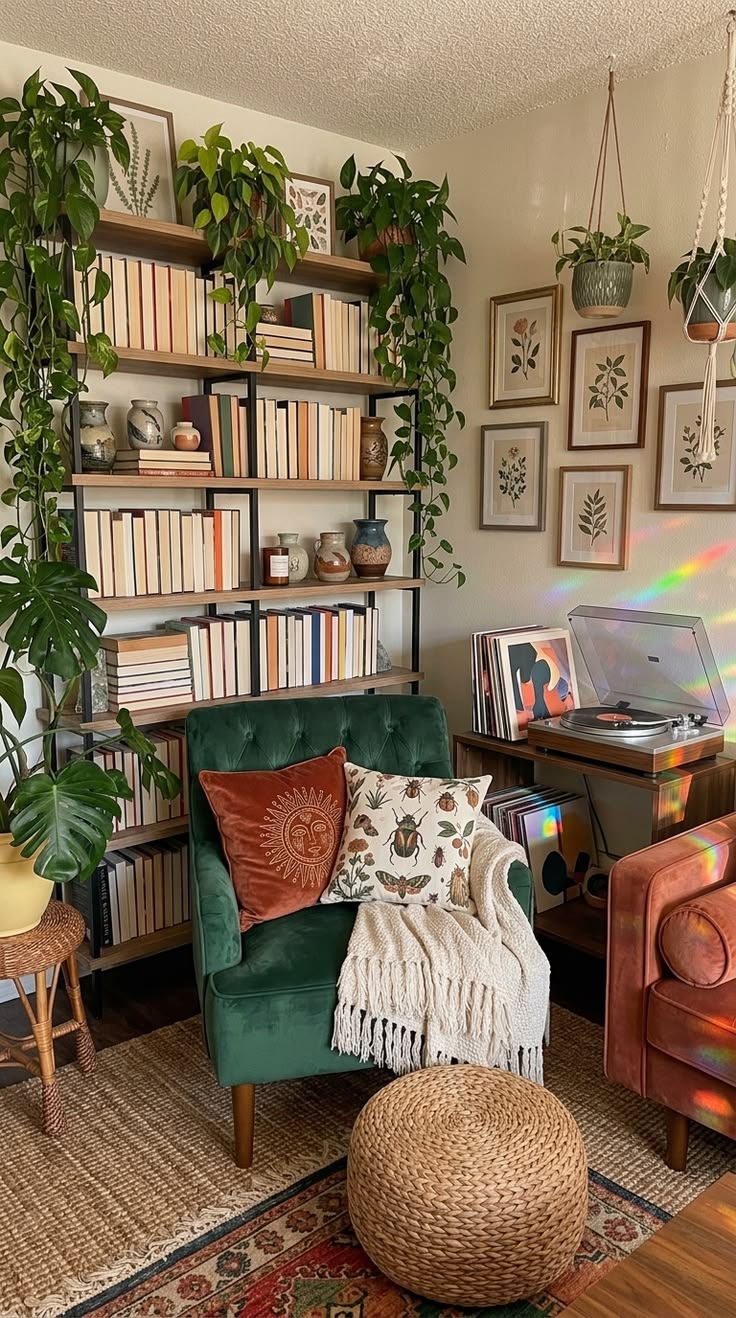
Creating a serene living room often starts with the right plants, but placing them incorrectly can make the space feel chaotic or empty.
This guide shows how to thoughtfully position plants in your living room to enhance your decor, improve air quality, and avoid common mistakes that lead to clutter.
1. Assess Your Light Conditions Before Choosing Plants
Start by observing how much natural light your living room receives throughout the day. South-facing windows provide bright, direct light ideal for plants like snake plants and fiddle leaf figs, while north-facing areas offer low light where ZZ plants or pothos thrive. Ignoring light levels often leads to struggling plants that require constant care or replacement.
Match your plant selection to the actual light in your space rather than choosing based on aesthetics alone. A monstera needs bright, indirect light to grow large leaves, while a peace lily can tolerate lower light but may not flower. This alignment ensures your plants stay healthy and reduces the need for artificial lighting solutions.
2. Use Vertical Space to Maximize Greenery
Instead of placing all plants on the floor or tables, utilize vertical space like bookshelves, wall-mounted planters, or hanging baskets. This approach keeps the floor clear for movement and creates visual interest at different heights. For example, a trailing pothos on a tall bookshelf adds depth without crowding the room.
Avoid clustering all plants in one area, which can create a 'jungle' effect that feels overwhelming. Distribute plants across different levels—hanging from the ceiling, sitting on shelves, and placed on the floor—to create a balanced, layered look that feels intentional rather than random.
3. Create Focal Points with Statement Plants
Identify a natural focal point in your living room, such as a large window, a fireplace, or a bookshelf, and place a statement plant nearby to draw the eye. A large monstera in a woven pot next to a bookshelf can anchor the space and complement the room's natural theme.
Avoid placing large plants directly in front of seating areas, as they can obstruct views and make the room feel cramped. Instead, position them to the side or behind furniture to maintain an open, airy feel while still adding visual weight.
4. Balance Plant Size with Furniture Scale
Choose plant sizes that complement your furniture rather than overpowering it. A small succulent on a side table works well with a compact armchair, while a tall fiddle leaf fig suits a larger sofa area. Mismatched scales can make the room feel unbalanced or cluttered.
When in doubt, measure your furniture and use that as a guide for plant size. A general rule is to keep the plant's height within 1.5 times the height of the furniture piece it's near. This ensures the plant enhances the space without dominating it.
5. Group Plants Thoughtfully to Avoid Clutter
Group plants in small clusters of 2-3 varieties rather than scattering them randomly. This creates a cohesive look and makes maintenance easier. For instance, place a small potted plant, a trailing vine, and a medium-sized leafy plant together on a bookshelf for a curated appearance.
Avoid overcrowding shelves or tables with too many plants, as this can create visual noise. Leave breathing room between plants and use the space between them to display books or decor items for balance.
- Observe natural light patterns in your living room for 24 hours before selecting plants.
- Place trailing plants on high shelves or hang them to save floor space.
- Choose one statement plant to anchor a focal point in the room.
- Match plant size to furniture scale to avoid overwhelming the space.
- Group 2-3 plants together on shelves or tables for a balanced look.
- Leave space between plants and decor items to prevent visual clutter.
- Check plant health weekly to adjust placement if leaves are yellowing or drooping.