How to Arrange Plants on Shelves for a Calm, Clutter-Free Look
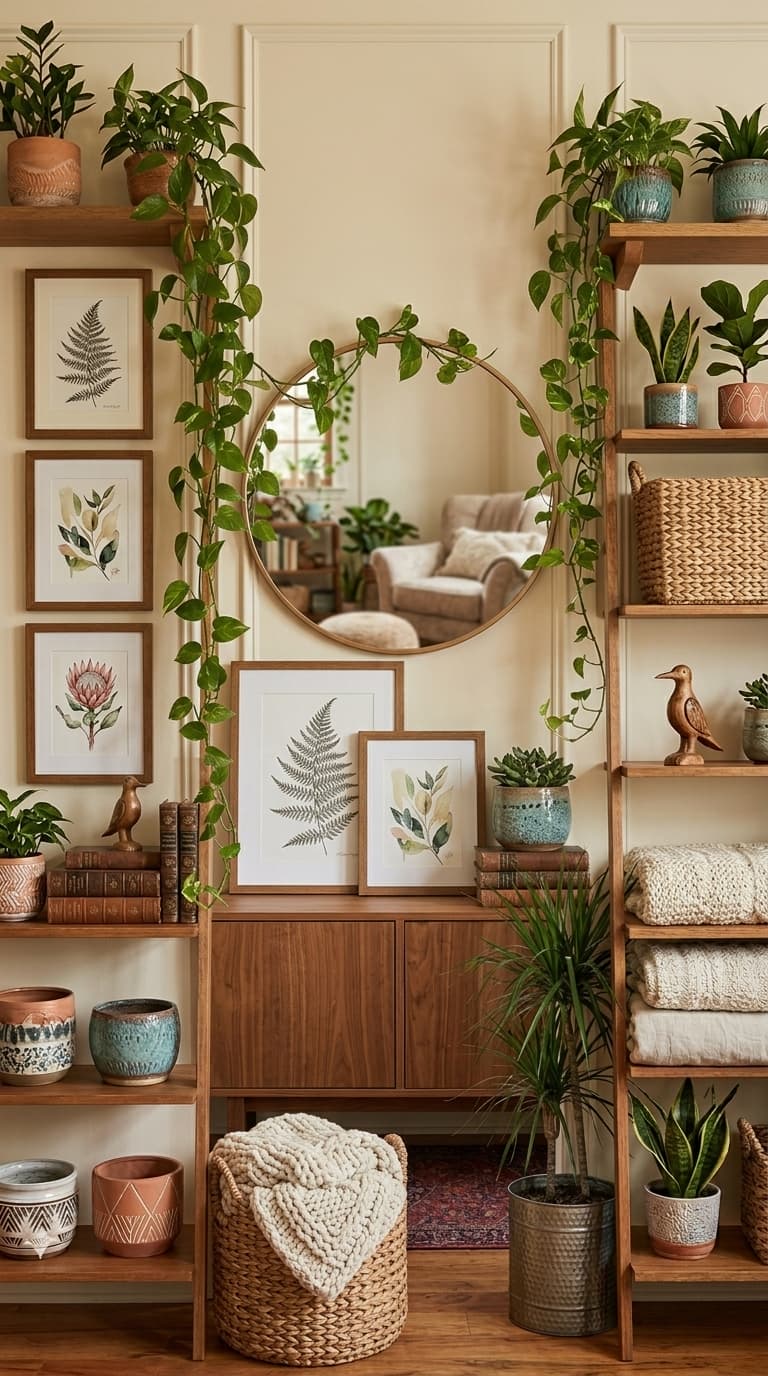
Creating a lush, green space doesn't require a jungle of plants; it's about thoughtful placement and balance.
When plants are arranged with intention, they enhance the room's calm and bring life without overwhelming the decor.
1. Assess Your Shelf Space and Light Conditions
Before adding plants, measure the width and depth of each shelf to understand the available real estate. This prevents overcrowding and ensures each plant has room to breathe. Also, observe how much natural light each shelf receives—plants need appropriate light levels to thrive, and placing sun-loving varieties in dark corners leads to leggy, unhealthy growth.
Consider the visual weight of each plant. A large leafy plant on a small shelf creates imbalance, while a cluster of small succulents on a wide shelf feels scattered. Use a tape measure to note shelf dimensions and sketch a rough layout to plan placement before purchasing or rearranging.
2. Create Visual Balance with Height and Grouping
Arrange plants by height to establish a natural flow. Place taller plants like a trailing pothos or a small palm at the back or corners, then fill in with medium and low-growing varieties. Grouping plants in odd numbers (three or five) creates a more dynamic and natural look than even groupings, which can feel rigid.
Use varying textures and leaf shapes to add interest. Pair a plant with broad leaves, like a monstera, with one featuring fine, feathery foliage, such as a fern. This contrast prevents monotony and makes the arrangement feel curated rather than random.
3. Use Pots and Planters Strategically
Choose pots that complement your room's aesthetic and fit the shelf's depth. A deep pot may not fit on a narrow shelf, so opt for smaller containers or use decorative trays to hold multiple small plants. Ensure pots have drainage holes or use saucers to protect the shelf surface from water damage.
Mix materials like ceramic, terracotta, and woven baskets to add texture. Avoid using too many matching pots, as this can look uniform and sterile. Instead, vary the styles to create a layered, lived-in feel that matches the organic theme of the room.
4. Incorporate Non-Plant Decor to Prevent Clutter
To avoid a chaotic look, balance plants with non-plant items like framed botanical prints, small sculptures, or woven baskets. These elements fill negative space and create visual anchors, making the arrangement feel intentional rather than overgrown.
Place books or decorative boxes on lower shelves to ground the arrangement. This adds warmth and prevents the shelves from looking like a plant-only display, which can feel overwhelming in a small space.
5. Maintain and Refresh Regularly
Check plants weekly for yellowing leaves or pests, and prune as needed to maintain shape and health. Rotate pots occasionally to ensure even light exposure and prevent leaning. This upkeep keeps the arrangement looking fresh and prevents dead plants from detracting from the overall aesthetic.
Seasonally refresh the display by swapping out plants or adjusting their positions. For example, move a trailing plant to a higher shelf in spring to let it cascade down, or replace a large plant with a smaller one during winter to maintain balance.
- Measure shelf dimensions to plan plant placement and avoid overcrowding.
- Group plants in odd numbers for a natural, balanced look.
- Place taller plants at the back or corners to create depth.
- Use varied pot materials and styles to add texture and prevent uniformity.
- Incorporate non-plant decor like books or baskets to ground the arrangement.
- Check plants weekly for health and prune as needed.
- Rotate pots and refresh the display seasonally for continued visual interest.