How to Arrange Plant Shelves for a Calm, Clutter-Free Corner
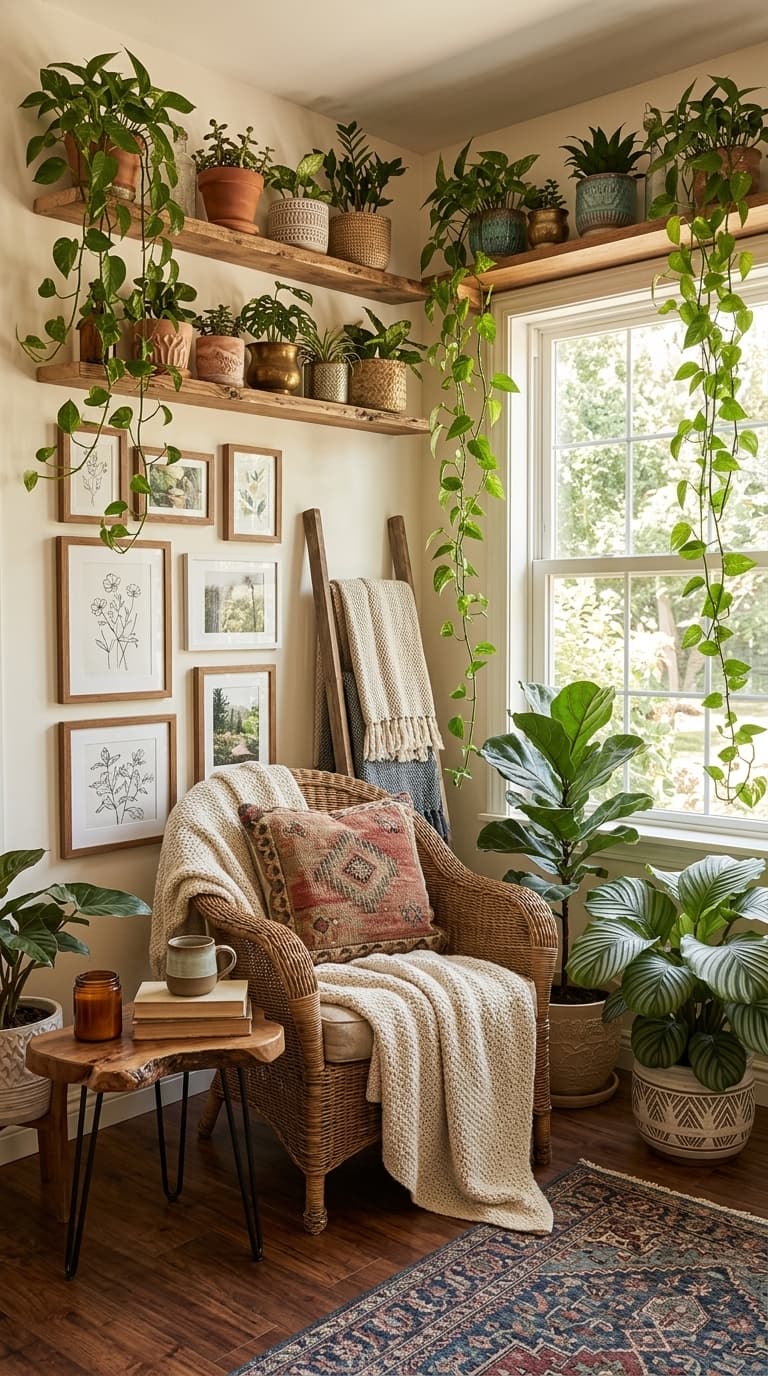
Creating a serene corner in your home often starts with the right plant arrangement. In this image, a corner is transformed into a lush, inviting nook using two wooden shelves mounted high on the wall. The key is balancing visual weight and allowing plants to breathe, which prevents the space from feeling cramped.
This guide breaks down how to position shelves effectively, choose the right plants, and avoid common mistakes that lead to clutter. By focusing on practical placement and plant selection, you can achieve a calming, nature-filled corner that enhances your room's decor without adding chaos.
1. Assess Your Wall Space and Light
Before installing shelves, measure the wall area where you plan to place them. A common mistake is choosing shelves that are too long or too short for the space, which can make the room feel unbalanced. Use a tape measure to determine the available height and width, and consider the natural light from nearby windows. Plants need adequate light to thrive, so position shelves where they receive indirect sunlight for most of the day.
Avoid placing shelves directly in front of windows where direct sun might scorch leaves, or in dark corners where plants will struggle. Instead, aim for a spot that gets bright, indirect light. This ensures your plants stay healthy and your decor remains vibrant without constant care adjustments.
2. Choose the Right Shelf Type and Style
The shelves in the image are rustic wooden planks, which complement the natural aesthetic. When selecting shelves, consider their weight capacity and how they attach to the wall. Floating shelves are ideal for a clean look, but ensure they are securely mounted to support the weight of pots and soil. Also, choose a style that matches your room's decor—whether it's modern, bohemian, or farmhouse—to maintain visual harmony.
Avoid using shelves that are too ornate or mismatched with the room's style, as this can create visual clutter. Instead, opt for simple, sturdy designs that allow the plants to be the focal point. This approach keeps the space cohesive and prevents the shelves from becoming a distraction.
3. Arrange Plants by Height and Growth Habit
Arrange plants by height, placing taller varieties on the bottom shelf and shorter ones on top. This creates a tiered effect that is visually appealing and allows each plant to receive adequate light. Also, consider the growth habit of each plant; trailing plants like pothos should be placed where they can cascade down, adding movement and softening the shelf's edge.
Avoid overcrowding the shelves with too many plants. Leave space between pots to allow air circulation, which helps prevent mold and pests. This balance ensures your plants stay healthy and the arrangement looks intentional rather than haphazard.
4. Use Pots That Complement the Space
The pots in the image vary in texture and color, adding visual interest without overwhelming the space. Choose pots that match the room's color palette and material scheme. For example, terracotta pots add warmth, while ceramic or woven baskets can introduce texture. Ensure pots have drainage holes to prevent water damage to the shelves and wall.
Avoid using pots that are too large or heavy for the shelf, as this can compromise stability. Also, consider using saucers or trays underneath to catch excess water and protect the shelf surface. This small step helps maintain the integrity of your decor over time.
5. Maintain and Refresh Your Plant Display
Regularly rotate your plants to ensure even growth and prevent them from leaning toward the light. Prune any dead or yellowing leaves to keep the display looking fresh. Additionally, wipe the leaves occasionally to remove dust, which can block sunlight and reduce photosynthesis. These simple maintenance tasks help your plant shelf remain a beautiful, functional part of your decor.
Skip adding new plants frequently, as this can lead to overcrowding. Instead, focus on caring for the plants you already have. This approach reduces clutter and allows you to appreciate each plant's unique contribution to the space.
- Measure the wall space to determine shelf size and placement.
- Choose shelves that match your room's decor style and can support plant weight.
- Arrange plants by height, with taller ones on the bottom and trailing varieties on top.
- Select pots with drainage holes and that complement the room's color scheme.
- Ensure pots are not too heavy for the shelf and use saucers to protect surfaces.
- Rotate plants regularly for even growth and prune dead leaves to maintain freshness.
- Avoid overcrowding by leaving space between pots for air circulation.