Bring Life to Your Living Room with Thoughtful Plant Placement
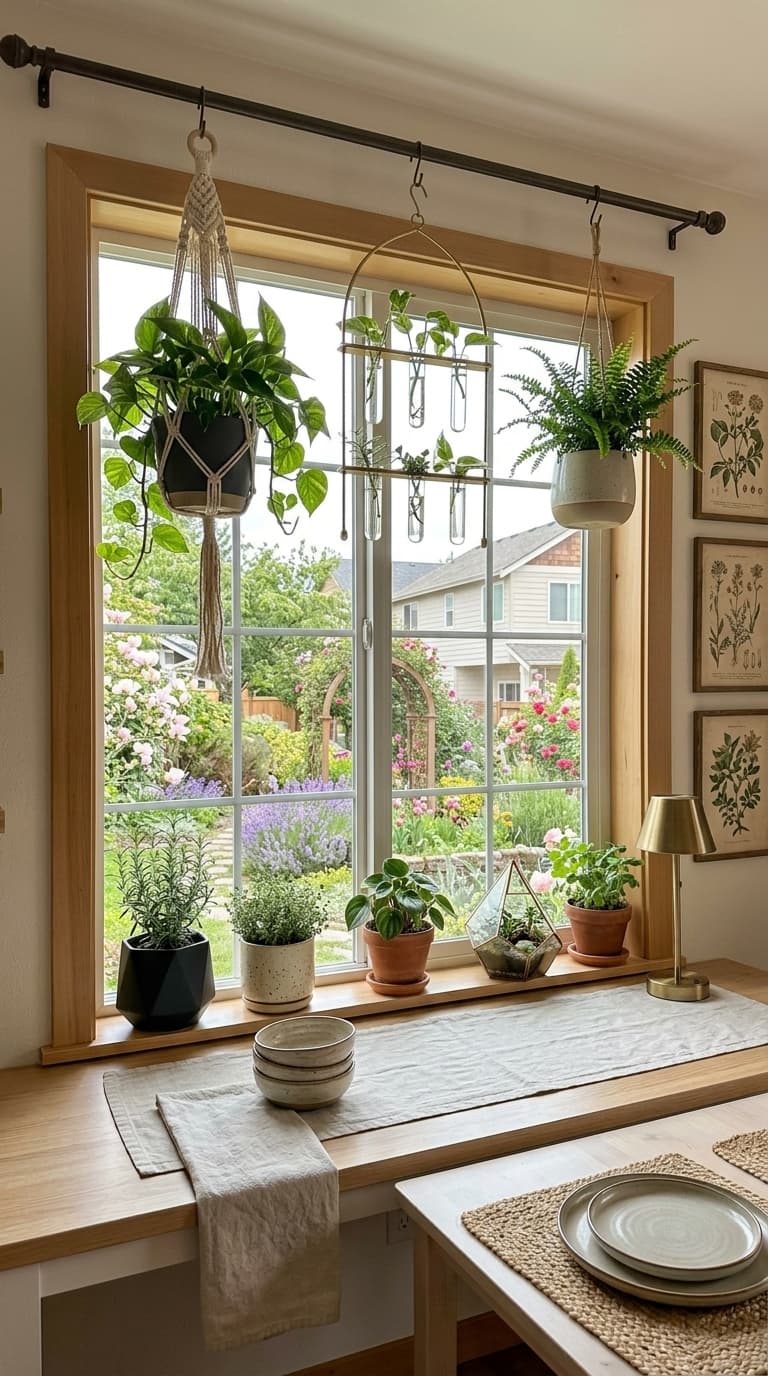
A living room that feels truly alive often starts with the right plants. They add color, texture, and a sense of calm that transforms a space from merely decorated to genuinely inviting.
Choosing the right plants and placing them thoughtfully can improve air quality, reduce visual clutter, and reflect your personal style, making your living room a more comfortable and enjoyable space for the whole family.
1. Assess Your Light Conditions
Start by observing how much natural light your living room receives throughout the day. South-facing windows provide bright, direct light ideal for plants like fiddle leaf figs and succulents, while east or west exposure offers moderate light suitable for pothos and snake plants. North-facing rooms, which are typically dimmer, benefit from low-light tolerant varieties such as ZZ plants or cast iron plants.
Avoid placing light-hungry plants in dark corners where they will struggle to grow, as this leads to leggy growth and disappointment. Instead, match each plant's light needs to the specific zone in your room to ensure healthy growth and reduce the need for artificial lighting.
2. Define Functional Zones
Identify the primary uses of your living room—whether it's for relaxing, entertaining, or family activities—and place plants where they support these functions without obstructing movement. A large plant near a seating area can create a natural focal point, while smaller plants on side tables or shelves add life without crowding the space.
Avoid placing plants in high-traffic areas where they might be knocked over or damaged. Instead, use corners, behind furniture, or on elevated surfaces like plant stands to keep them safe and visually integrated into your decor scheme.
3. Choose the Right Plant Types
Select plants that match your lifestyle and the room's conditions. For busy households, snake plants and pothos are excellent choices because they tolerate irregular watering and low light. If you have pets, avoid toxic plants like peace lilies or philodendrons, and opt for safe options such as spider plants or Boston ferns.
Consider the plant's mature size to prevent it from overwhelming your space. A small succulent arrangement on a coffee table can add charm without taking up too much room, while a tall, slender plant in a corner adds vertical interest without blocking sightlines.
4. Use Appropriate Containers and Stands
Choose containers that complement your existing decor style—woven baskets, ceramic pots, or minimalist white planters can enhance the room's aesthetic. Ensure pots have drainage holes to prevent root rot, and use saucers to protect floors from water damage.
Elevate plants with stands or shelves to create visual layers and free up floor space. A tiered plant stand in a corner can showcase multiple plants at different heights, adding depth and interest without cluttering the room.
5. Maintain and Refresh Your Plant Arrangement
Regularly rotate your plants to ensure even light exposure and prevent them from leaning toward the window. Wipe leaves gently with a damp cloth to remove dust, which helps the plant photosynthesize more efficiently and keeps them looking vibrant.
Refresh your plant selection seasonally by swapping out plants that are out of season or replacing any that aren't thriving. This keeps your living room looking dynamic and prevents the space from feeling stagnant or overcrowded.
- Observe natural light patterns in your living room for at least 24 hours before selecting plants.
- Choose plants based on light availability and your maintenance capacity.
- Place plants in corners or behind furniture to avoid obstructing movement.
- Use containers with drainage holes and saucers to protect surfaces.
- Rotate plants monthly to ensure even growth and light exposure.
- Wipe leaves monthly to remove dust and maintain plant health.
- Refresh plant selections seasonally to keep the space feeling updated.