Fix Your Living Room Lighting with Simple, Practical Ideas
Lighting is often overlooked in living room design, yet it shapes how the space feels throughout the day. A well-chosen light fixture can make a small room feel larger, warmer, and more inviting without requiring major renovations.
This article focuses on practical lighting solutions for smaller living rooms, using the visible decor choices to show how to layer light effectively. You'll learn how to avoid common mistakes like relying on a single overhead light and how to create zones that support both relaxation and activity.
1. Choose the Right Fixture Type for Your Space
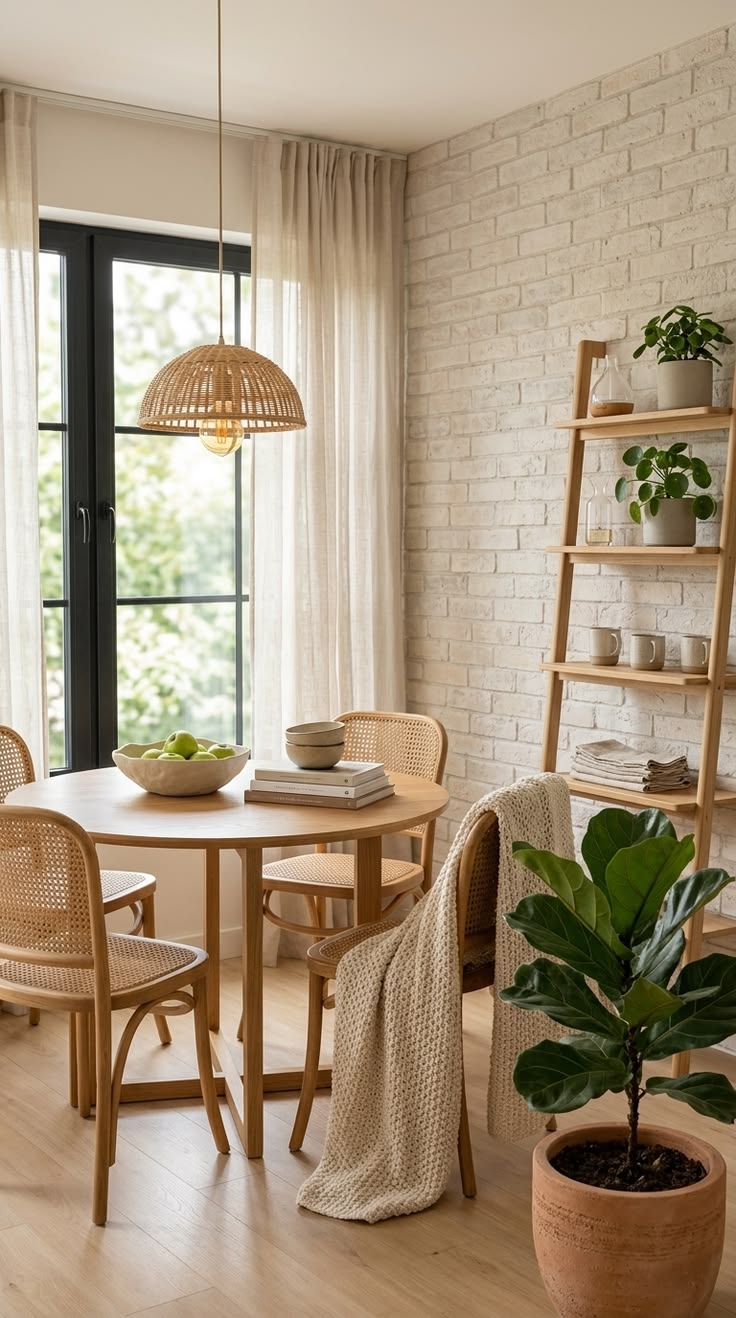
The image shows a woven pendant light hanging over a dining table, which is a great example of using a statement fixture to define a zone. In smaller living rooms, pendant lights work well over coffee tables or seating areas, while floor lamps can provide focused task lighting without taking up table space.
Avoid large, bulky fixtures that dominate the ceiling and make the room feel cramped. Instead, opt for mid-sized lights with a simple design that complements your furniture scale. Measure the room's height and the fixture's diameter to ensure proper proportion before purchasing.
2. Layer Lighting for Function and Mood
The room uses three light sources: the pendant, natural light from the window, and likely a floor lamp out of frame. This layering approach allows you to adjust brightness for different activities—bright for reading, dim for movie nights. Start by identifying your main use cases and assign a light source to each.
Avoid relying solely on overhead lighting, which creates harsh shadows and flattens the room's depth. Add a floor lamp in a corner for ambient glow, or use a table lamp on a side table to create a cozy reading nook without cluttering the main floor space.
3. Maximize Natural Light with Smart Window Treatments
The large window in the image is dressed with sheer curtains that allow natural light to flood in while maintaining privacy. Sheer fabrics are ideal for small rooms because they brighten the space without blocking views or making it feel closed off. Avoid heavy drapes that absorb light and make the room feel smaller.
Position furniture away from windows to prevent blocking natural light pathways. Use light-colored or reflective surfaces like the white brick wall to bounce light deeper into the room. Check your window's orientation to determine how much direct sunlight it receives throughout the day.
4. Use Plants to Enhance Light and Air Quality
The fiddle leaf fig in the foreground and the plants on the ladder shelf show how greenery can soften a space and improve light perception. Plants reflect light and add visual interest, making a room feel more open and alive. Place them near windows to maximize their access to natural light.
Avoid overcrowding plants in one area, as this can create shadows and block light. Instead, distribute them strategically—on shelves, side tables, or the floor—to create balance. Choose low-maintenance varieties that thrive in your room's light conditions to ensure long-term success.
5. Keep Decor Balanced to Avoid Clutter
The ladder shelf holds plants, mugs, and folded towels, demonstrating how to use vertical storage without visual clutter. Each item has a purpose, and the open design keeps the space feeling airy. Avoid stacking too many decorative objects on shelves or tables, as this can make the room feel chaotic.
Group similar items together—like placing all mugs on one shelf—and use consistent materials like wood or ceramic to create harmony. Leave negative space around key pieces to let them breathe and maintain a clean, intentional look.
- Measure your room's ceiling height and floor area to choose appropriately sized lighting fixtures.
- Replace one harsh overhead light with a pendant or floor lamp to improve ambiance and reduce eye strain.
- Use sheer curtains to maximize natural light without sacrificing privacy or making the room feel dark.
- Place plants near windows to enhance light reflection and add visual interest without clutter.
- Group decor items by function and material to create a balanced, uncluttered look with intentional spacing.