Brighten Your Small Living Room with Smart Lighting Choices
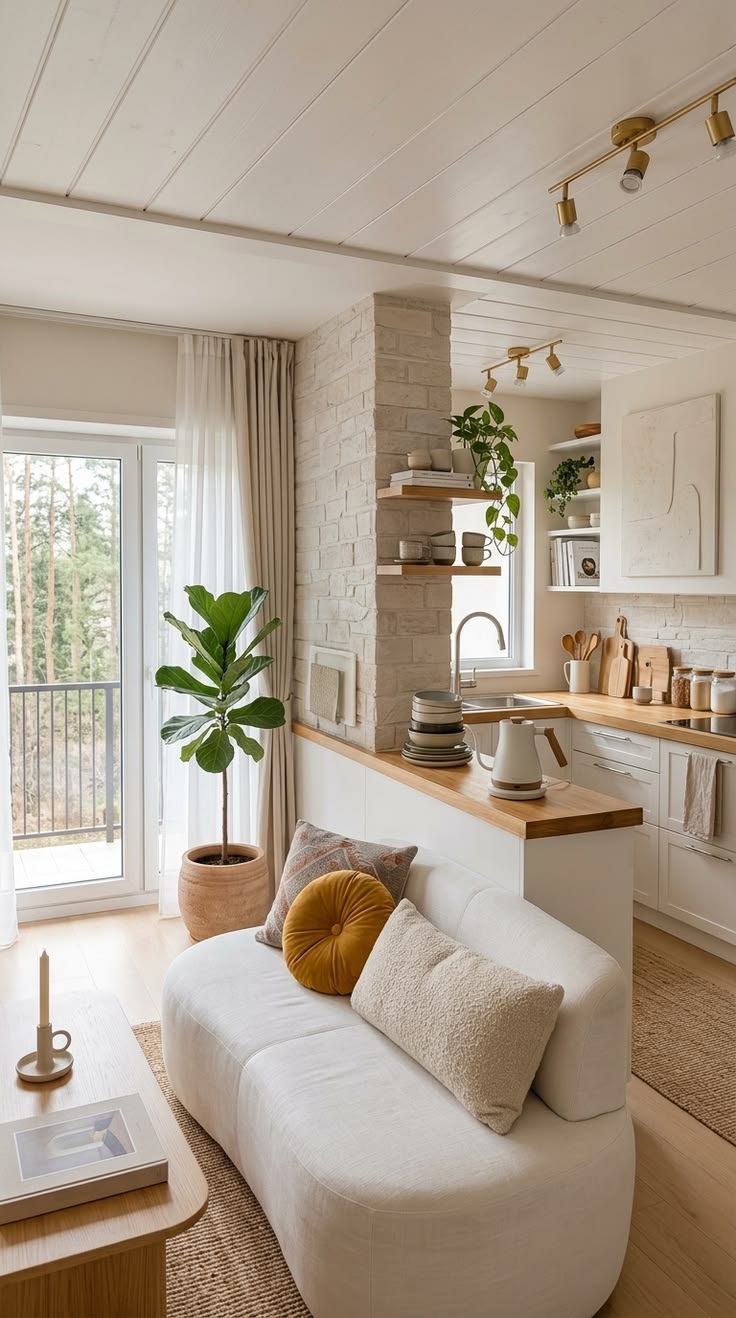
Living rooms that feel cramped often suffer from poor lighting rather than lack of space. The right light sources can transform a small area into a welcoming retreat without adding clutter.
This guide focuses on actionable lighting strategies for compact living rooms, helping you choose fixtures that enhance both function and style while avoiding common pitfalls like harsh glare or uneven illumination.
1. Layer Lighting for Depth and Ambiance
Begin by assessing your current lighting setup. A single overhead fixture often creates harsh shadows and leaves corners dark, making a small room feel smaller. Instead, combine ambient light from a ceiling fixture with task lighting like a floor lamp and accent lighting from table lamps or wall sconces to create a layered effect.
Measure the distance from your main seating area to the nearest wall to determine where to place floor or table lamps. Positioning a lamp behind the sofa or beside an armchair provides focused light for reading while keeping the central floor space open and uncluttered.
2. Choose the Right Fixture Scale for Your Space
Avoid oversized fixtures that dominate a small room. A large chandelier can overwhelm a compact living area, while a tiny lamp may not provide sufficient light. Opt for fixtures with a scale that complements your room's proportions, such as a medium-sized pendant over a kitchen island or a slim floor lamp in a corner.
Consider the fixture's height and width relative to your ceiling height. In rooms with lower ceilings, choose flush-mount or semi-flush mount lights to prevent the space from feeling cramped. For higher ceilings, a pendant or chandelier adds visual interest without sacrificing headroom.
3. Maximize Natural Light with Smart Placement
Natural light is your best ally in a small living room. Keep window treatments minimal—sheer curtains or blinds allow maximum light while maintaining privacy. Position furniture away from windows to avoid blocking light flow, and use light-colored walls and flooring to reflect daylight deeper into the room.
Place a large mirror opposite a window to bounce natural light across the room. This simple trick can make a small space feel significantly larger and brighter without any electrical work or added cost.
4. Use Task Lighting to Reduce Overall Brightness Needs
Task lighting allows you to use lower ambient light levels while still having adequate illumination for specific activities. A small table lamp on a side table or a wall-mounted reading light above a chair provides focused light where needed, reducing the need for a brightly lit overhead fixture.
Place task lighting near your primary activity zones, such as a reading nook or a coffee table. This approach minimizes glare on screens and creates a more comfortable environment for evening relaxation.
5. Avoid Common Lighting Mistakes in Small Rooms
A frequent mistake is using only one light source, which creates uneven illumination and dark corners. Another error is placing lights too close to walls, which can cast harsh shadows. Instead, distribute light sources throughout the room at varying heights and angles to create a balanced, inviting glow.
Skip adding decorative lighting that serves no purpose, like a purely ornamental chandelier in a small room. Focus on functional fixtures that also contribute to the room's aesthetic, such as a stylish floor lamp that doubles as a design element.
- Measure the distance from your main seating area to the nearest wall to determine lamp placement.
- Choose fixture scale that complements your room's proportions, avoiding oversized or undersized options.
- Position furniture away from windows to maximize natural light flow.
- Place a mirror opposite a window to bounce natural light across the room.
- Add a floor lamp in a corner near your sofa for focused reading light.
- Use task lighting near activity zones to reduce reliance on overhead lights.
- Avoid placing lights too close to walls to prevent harsh shadows and uneven illumination.