Mastering Built-In Shelving: Style and Function for Your Modern Living Space
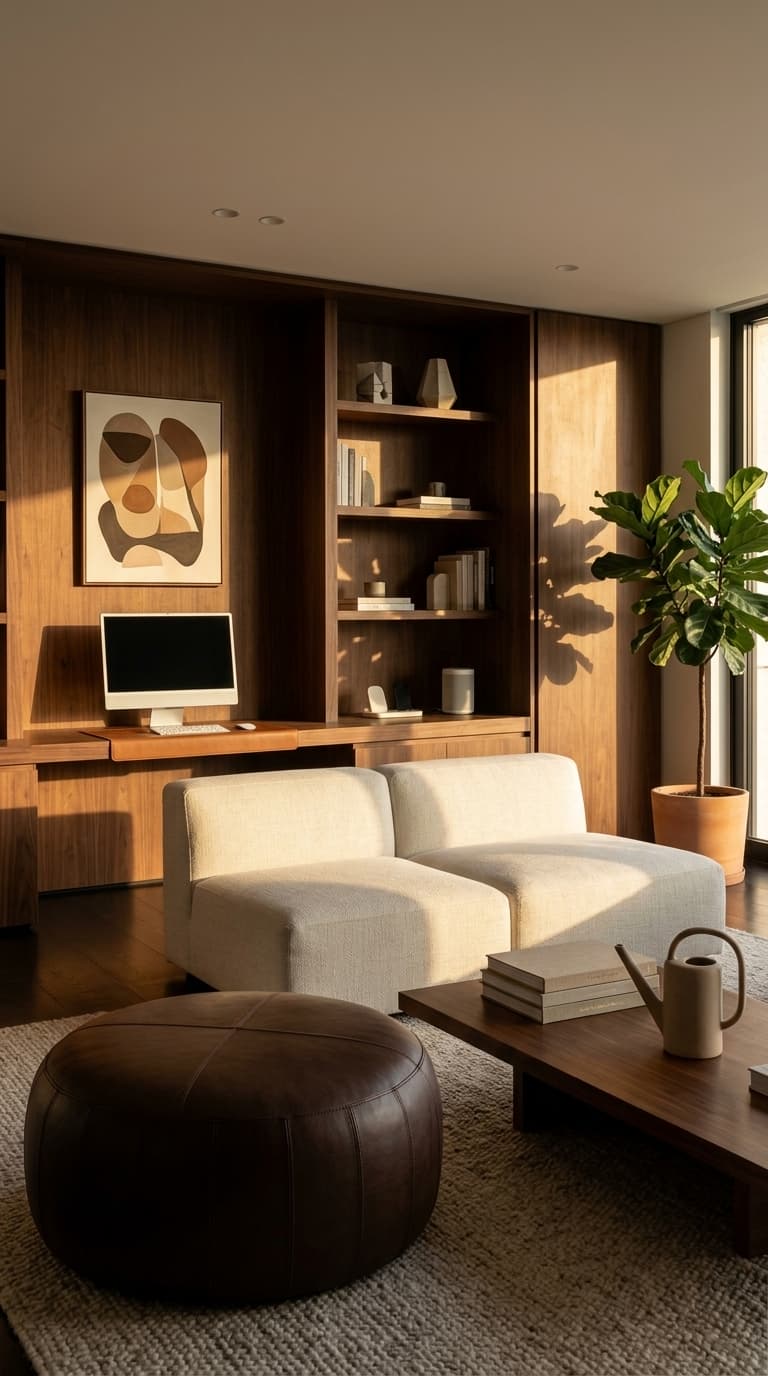
Built-in shelving offers a fantastic opportunity to add both storage and visual interest to a room, but it can easily become a dumping ground for miscellaneous items. The key to transforming these spaces from cluttered to curated lies in thoughtful styling. This guide will walk you through practical strategies to arrange your shelves, ensuring they are not only aesthetically pleasing but also functional for your everyday needs.
Achieving a well-styled built-in shelving unit involves more than just placing items on shelves; it's about creating a cohesive and intentional display. Consider the overall aesthetic of your room and how the shelving can complement it. Whether you're aiming for a minimalist look, a cozy reading nook, or a functional home office setup, the arrangement of books, decor, and storage solutions plays a crucial role. This article will provide actionable advice on how to select the right items, arrange them effectively, and.
1. Declutter and Assess Your Shelving Needs
Before you begin styling, take a critical look at what's currently on your shelves. Remove everything and sort items into categories: keep, donate, discard, or relocate. Be honest about what you truly need and use. Built-in shelving often becomes a catch-all for items that don't have a designated home elsewhere. For instance, if you have a home office setup integrated into your shelving, ensure that work-related essentials like notebooks, pens, and charging cables are organized and accessible, but not overwhelming the display.
Once you've decluttered, assess the function of each shelving unit. Is it primarily for displaying decorative items, storing books, or housing electronics and office supplies? In a living area, shelves might hold family photos, art pieces, and reading material. In a home office configuration, they'll need to accommodate files, stationery, and perhaps a printer. Think about how you interact with the items on your shelves daily. Items used frequently should be placed at eye level or within easy reach, while less-used decorative.
2. Curate Your Collection: Books and Decor
Books are a natural fit for shelving, but how you arrange them significantly impacts the overall look. Mix vertical and horizontal stacking to create visual interest and break up monotony. For instance, stack a few books horizontally and then place a decorative object on top, or arrange a larger group of books vertically. Vary the sizes and colors of the books you display; a mix of hardcovers and paperbacks, along with books in different hues, can add depth.
Decorative objects are essential for adding personality and visual appeal to your shelves. Choose items that reflect your style and complement the room's decor. Think about varying heights, textures, and shapes. A tall vase, a sculptural piece, a framed photograph, or a small plant can add dimension. Avoid overcrowding shelves with too many small trinkets; instead, opt for a few well-chosen, impactful pieces. Consider negative space, or 'breathing room,' around your decorative items.
3. The Art of Arrangement: Balance and Flow
Achieving visual balance is key to well-styled shelves. Distribute visual weight evenly across the unit. If you have a large, prominent item on one side, balance it with a cluster of smaller items or another substantial piece on the opposite side. Consider the 'rule of thirds' when placing objects; imagine dividing each shelf into three sections and placing key items at the intersections. This creates a more dynamic and pleasing composition.
Create a sense of flow by connecting elements across different shelves. This can be achieved by repeating colors, shapes, or materials. For example, if you have a blue vase on one shelf, incorporate a book with a blue spine or another small blue accent on a different shelf. This repetition creates a visual thread that ties the entire unit together. Consider the vertical lines created by books and the horizontal lines of shelves and stacked items.
4. Incorporating Storage Solutions
While aesthetics are important, functionality often requires smart storage solutions. Baskets, decorative boxes, and bins can effectively conceal clutter while adding texture and color to your shelves. Choose storage containers that complement your decor. For example, woven baskets add a natural, bohemian feel, while sleek, minimalist boxes can suit a modern aesthetic. Place these containers on lower shelves or in sections where everyday items need to be stored out of sight.
When integrating storage, consider how it contributes to the overall design rather than detracting from it. If you're using open shelving for a home office, consider stylish file holders or magazine racks that can house important documents neatly. For living areas, decorative trays can corral remote controls or coasters. Even within storage containers, you can add a layer of organization. For instance, use smaller pouches or dividers inside a larger basket to keep items separated.
5. Lighting and Personal Touches
Lighting can dramatically enhance the appearance of your built-in shelving. Consider adding subtle accent lighting, such as small LED puck lights or strip lights, to illuminate specific items or create a warm ambiance. If your shelving is integrated into a wall unit, there might be opportunities for built-in lighting. Natural light also plays a role; position shelves near windows to take advantage of sunlight, which can highlight textures and colors.
Finally, infuse your shelves with personal touches that tell your story. This could include framed family photos, travel souvenirs, or artwork that holds meaning for you. These items add warmth and personality, making your space feel unique and lived-in. However, be mindful of scale and quantity. A few well-placed personal items are more impactful than a multitude of small, scattered mementos. Consider how these personal items interact with the books and decorative objects.
6. Maintaining Your Styled Shelves
Regular maintenance is key to keeping your built-in shelves looking their best. Schedule brief, periodic tidying sessions, perhaps once a month, to dust items, straighten books, and rearrange any objects that have been moved. This prevents small messes from accumulating and becoming overwhelming. Dusting is essential, especially for items with intricate details or those placed on higher shelves. Consider using a microfiber cloth or a soft brush for delicate objects.
Beyond dusting and tidying, periodically reassess the arrangement itself. Tastes change, and so do the items you own. Every few months, consider swapping out some decorative objects or books to refresh the look of your shelves. This keeps the display dynamic and prevents it from feeling stale. If you've acquired new items, think about how they can be integrated into your existing display. Perhaps an old item can be retired to storage or a different room.
- Remove all items from shelves and sort into keep, donate, discard, or relocate piles.
- Group books by size, color, or theme, and mix vertical and horizontal arrangements.
- Select 3-5 decorative objects of varying heights, textures, and shapes for each shelf.
- Use baskets or decorative boxes to conceal clutter and store everyday essentials.
- Add subtle accent lighting to highlight key items or create ambiance.
- Schedule a monthly quick tidy and a quarterly reassessment of shelf contents and arrangement.