Elevate Your Entryway: Styling Console Tables for Maximum Impact
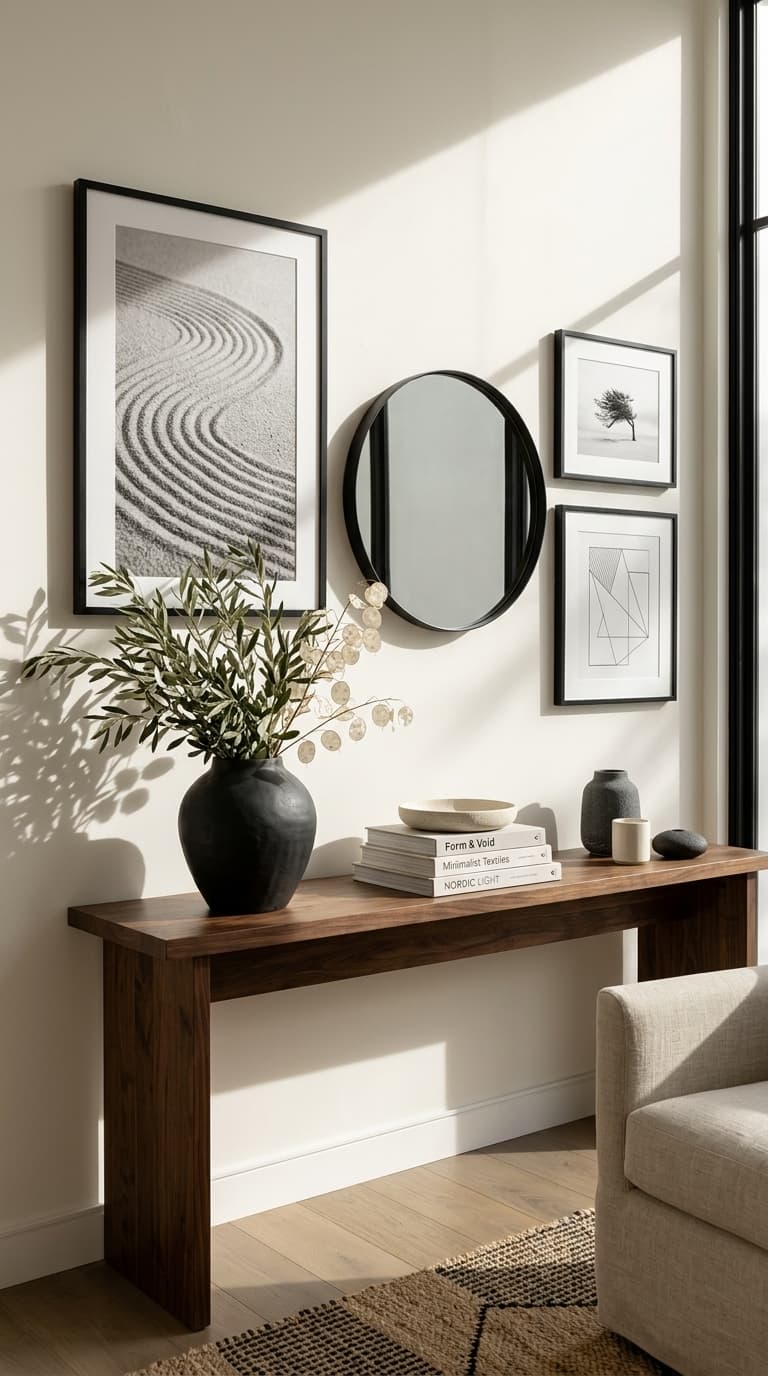
The console table is a versatile piece of furniture that can transform an entryway, hallway, or living room. It serves as a functional surface for keys and mail, a decorative display area, and a visual anchor for your space. Achieving a balanced and aesthetically pleasing console table arrangement involves thoughtful selection of decor items, careful consideration of scale and proportion, and an understanding of how to create visual interest.
When styling a console table, think of it as creating a vignette – a small, curated scene that tells a story about your home. The goal is to balance form and function, ensuring the table is not only beautiful but also practical for everyday use. Consider the overall style of your home and aim for decor that complements it. Whether you prefer a minimalist aesthetic, a more eclectic vibe, or a touch of modern sophistication, the principles of good styling remain the same.
1. Selecting the Right Console Table
The foundation of any successful console table styling is the table itself. Consider the dimensions of your space and the intended use. A narrow table is ideal for tight hallways or entryways where space is at a premium, while a wider table can offer more surface area for larger decorative arrangements. The material and finish of the table also play a crucial role in setting the tone.
Beyond aesthetics, consider the table's functionality. Does it offer any storage? Drawers or shelves can be invaluable for stashing away everyday items like mail, keys, or gloves, helping to maintain a clutter-free surface. If your chosen table lacks built-in storage, consider incorporating decorative baskets or boxes on a lower shelf or beneath the table to achieve a similar effect. The style of the table should also harmonize with the rest of your decor.
2. Creating a Focal Point with Wall Art and Mirrors
The wall above your console table is prime real estate for creating a captivating focal point. A large piece of artwork, such as the framed black and white print of raked sand shown, can immediately set the mood and introduce a sense of personality. Alternatively, a well-placed mirror, like the round black-framed mirror in the image, can reflect light, making the space feel larger and brighter, while also serving as a functional element.
When selecting wall art or a mirror, think about scale and proportion relative to the console table. A piece that is too small can look lost, while one that is too large can overwhelm the space. The frame style should also complement the table and the overall decor. Black frames, as seen in the example, offer a bold and modern contrast, while natural wood frames can add warmth.
3. Layering Decorative Objects for Depth
Once your main wall feature is in place, it's time to layer decorative objects on the console table itself. This is where you can add personality and visual interest. Start with larger items, such as a substantial vase with greenery, like the olive branches in the image, or a stack of books. These pieces provide a sense of scale and anchor the arrangement. Varying heights is crucial; place taller items towards the back or sides and shorter items in the foreground to.
Building on the larger pieces, introduce smaller accessories to fill in the gaps and add detail. This could include smaller vases, decorative bowls, sculptures, or even a collection of interesting stones, as seen with the dark stone on the right. The books stacked on the table not only add height but also serve as a platform for other objects, like the shallow bowl placed on top. When arranging these items, consider the principle of odd numbers, which often creates a more visually.
4. Incorporating Greenery and Natural Elements
Adding natural elements, such as plants or branches, can bring life and a sense of organic beauty to your console table styling. The large black vase filled with lush green olive branches in the image provides a striking contrast and introduces a natural, calming element. Even faux greenery can be incredibly effective if chosen well. Consider the scale of the plant or branches relative to the table and the surrounding decor.
Beyond greenery, other natural elements can enhance your console table display. Smooth stones, driftwood, or decorative pinecones can add texture and a connection to the outdoors. The small dark stone placed next to the cylindrical vase on the right side of the table is a subtle yet effective addition. When selecting natural elements, consider their color palette and how they will interact with the other items on the table.
5. Balancing Functionality with Aesthetics
While styling your console table, it's essential to remember its practical purpose. If it's in your entryway, it needs to accommodate everyday essentials. Consider incorporating a tray or a decorative bowl to corral keys, mail, or loose change. This not only keeps these items organized but also adds another layer of visual interest to the display. The books on the table, for instance, serve a dual purpose: they add height and visual weight, and they can also be used to prop up.
The key to balancing functionality and aesthetics is to choose decorative items that also serve a purpose, or to integrate functional items in a visually appealing way. For example, a beautiful ceramic jar can hold spare change, or a set of elegant coasters can be displayed when not in use. If your console table has drawers, use drawer organizers to keep the contents tidy. Even the books themselves can be chosen for their aesthetic appeal, with attractive covers that complement your decor.
6. Avoiding Common Styling Mistakes
One of the most common mistakes when styling a console table is overcrowding. Too many items on the surface can make the space feel chaotic and detract from the intended aesthetic. Resist the urge to fill every inch; negative space is just as important as the objects themselves. Another pitfall is a lack of variety in height and texture. A display with items all at the same level or made of similar materials can appear flat and uninspired.
Another mistake to avoid is ignoring the scale of the decor in relation to the table and the room. Oversized items can overwhelm a small table, while tiny trinkets can get lost on a larger surface. Always consider the overall proportions. Additionally, ensure your styling is cohesive with the rest of your home's decor. A console table filled with brightly colored, whimsical items might clash with a sophisticated, minimalist living room.
- Measure your console table's surface and the wall space above it before selecting decor.
- Choose a large piece of art or a mirror as the primary focal point for the wall.
- Select a mix of items with varying heights, textures, and materials for the table surface.
- Incorporate at least one natural element, such as a plant or decorative stone.
- Designate a stylish spot for everyday essentials like keys and mail.
- Step back and evaluate your arrangement from different viewpoints to ensure balance.