Create a Stunning Bedroom Gallery Wall: A Step-by-Step Guide
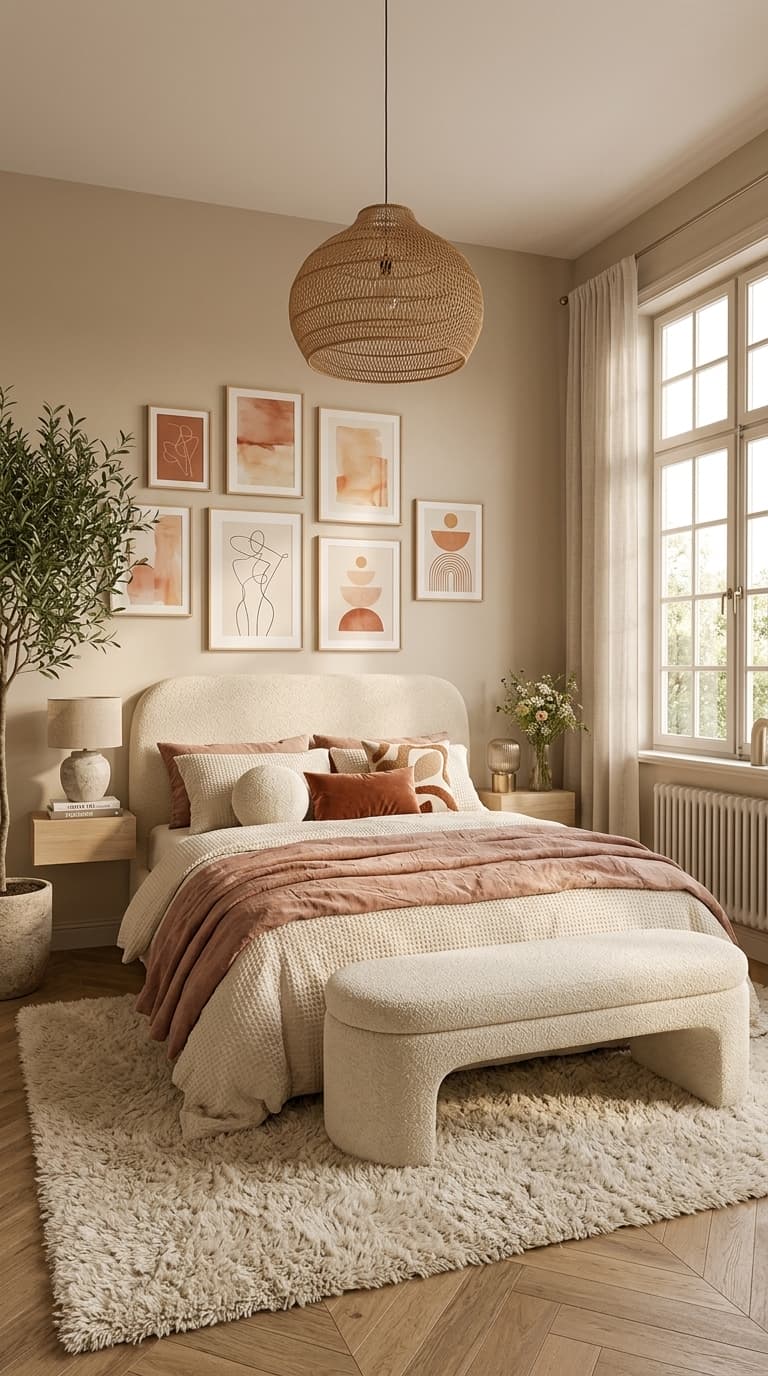
Elevating your bedroom's aesthetic can be as simple as thoughtfully arranging artwork. A well-executed gallery wall transforms a blank space into a focal point, reflecting your personal style and adding depth to the room. This guide will walk you through the process of creating a cohesive and impactful gallery wall, ensuring it complements your existing decor and enhances the overall ambiance of your sanctuary.
Designing a gallery wall involves more than just picking out pretty pictures; it requires careful consideration of layout, scale, and theme. Whether you're drawn to abstract prints, personal photographs, or a mix of styles, the goal is to create a visually pleasing arrangement that feels intentional and harmonious. We'll explore how to select pieces that speak to you and arrange them in a way that maximizes their impact without overwhelming the space.
1. Choosing Your Art and Theme
The foundation of any successful gallery wall is the artwork itself. Consider the overall color palette and style of your bedroom. If your room is minimalist, opt for clean lines and muted tones. For a more bohemian feel, mix textures and patterns. The pieces in the image showcase a cohesive theme with abstract shapes and line art in warm, earthy tones, creating a soft and inviting atmosphere. Think about what mood you want to evoke – calm, energetic, or sophisticated – and select art that aligns with that vision.
When selecting pieces, don't be afraid to mix and match. A combination of different sizes, orientations (portrait and landscape), and styles can add visual interest. Consider incorporating different mediums, such as prints, paintings, and even small 3D objects if appropriate. The key is to ensure there's a unifying element, whether it's a color scheme, a recurring motif, or a consistent frame style, that ties everything together and prevents the wall from looking cluttered or haphazard.
2. Planning Your Layout
The arrangement of your artwork is crucial for creating a balanced and aesthetically pleasing display. There are several popular layout strategies, including symmetrical grids, asymmetrical clusters, and linear arrangements. For a dynamic look, consider an asymmetrical layout where pieces are grouped organically around a central point, like a larger statement piece or a key piece of furniture. The gallery wall in the image features an asymmetrical cluster, with pieces of varying sizes arranged above the headboard, creating a natural flow.
Before you start drilling holes, it's highly recommended to create a template for each piece of art. Trace the artwork onto craft paper or newspaper, cut out the shapes, and use painter's tape to temporarily adhere them to your wall. This allows you to experiment with different placements, spacing, and overall composition until you find the perfect arrangement. Ensure adequate spacing between pieces to allow each artwork to breathe and be appreciated individually.
3. Selecting Frames and Matting
Frames play a significant role in the overall look and feel of your gallery wall. They can either unify your collection or add another layer of visual interest. For a cohesive look, consider using frames of the same style and color, as seen in the image where simple, light-colored frames complement the artwork. Alternatively, you can create a more eclectic vibe by mixing frame styles, but ensure there's a common thread, such as a similar finish or color family, to maintain harmony.
Matting can also enhance your artwork and contribute to the gallery wall's aesthetic. A mat creates a visual buffer between the artwork and the frame, making the piece stand out and appear more polished. White or off-white mats are classic choices that work well with most art styles and color palettes, helping to unify disparate pieces. Consider the width of the mat; a wider mat can give a more contemporary feel, while a narrower mat can feel more traditional.
4. Hanging Your Artwork
Proper hanging techniques are essential for both the appearance and longevity of your gallery wall. Use a level to ensure each piece is hung straight, especially in grid layouts. For heavier frames, use appropriate hardware like D-rings and wire, and ensure you're using wall anchors or finding studs for secure mounting. The placement in the image suggests hanging the artwork at a comfortable viewing height, typically with the center of the arrangement at eye level.
When hanging multiple pieces, maintaining consistent spacing is key to a professional look. A common guideline is to leave 2-3 inches of space between frames, but this can vary depending on the size and density of your arrangement. Use a measuring tape and a pencil to mark your desired hanging points accurately. If you're unsure about making permanent holes, consider using high-quality adhesive strips designed for hanging frames, especially for lighter pieces.
5. Incorporating Texture and Dimension
Beyond just flat artwork, consider adding elements that introduce texture and dimension to your gallery wall. This could include incorporating pieces with different textures, like woven art, macrame, or even small shelves displaying decorative objects. The overall aesthetic of the room in the image is enhanced by the variety of textures, from the plush rug and boucle bench to the woven pendant light and the soft linens on the bed.
The surrounding decor also plays a role in framing your gallery wall. Consider how the artwork interacts with other elements in the room, such as lighting, furniture, and plants. The large woven pendant light above the bed in the image adds a natural, textural element that complements the artwork and the overall warm, organic feel of the space. Ensure your gallery wall doesn't compete with other strong visual elements but rather enhances them.
6. Avoiding Common Mistakes
One common mistake is overcrowding the wall, which can make the space feel chaotic and overwhelming. Ensure there's enough negative space around your artwork to allow each piece to be appreciated. Another pitfall is inconsistent spacing between frames; this can make the arrangement look haphazard. Always measure and use a level to maintain clean lines and a professional finish, even in an asymmetrical layout.
Another mistake to avoid is choosing artwork that doesn't align with your personal style or the room's existing decor. While it's good to experiment, ensure there's a cohesive theme or color palette that ties everything together. Finally, don't be afraid to step back and reassess your arrangement. Sometimes, a slight adjustment in placement or spacing can make a significant difference in the overall impact of your gallery wall.
- Define a clear theme or color palette for your gallery wall.
- Measure your wall space and plan your layout using templates.
- Select frames and mats that complement your artwork and room style.
- Use a level and measuring tape for precise and even hanging.
- Consider adding textured elements or 3D objects for depth.
- Step back and evaluate the arrangement for balance and visual appeal.