Create a Lush Outdoor Oasis: Styling with Plants and Pots for a Serene Space
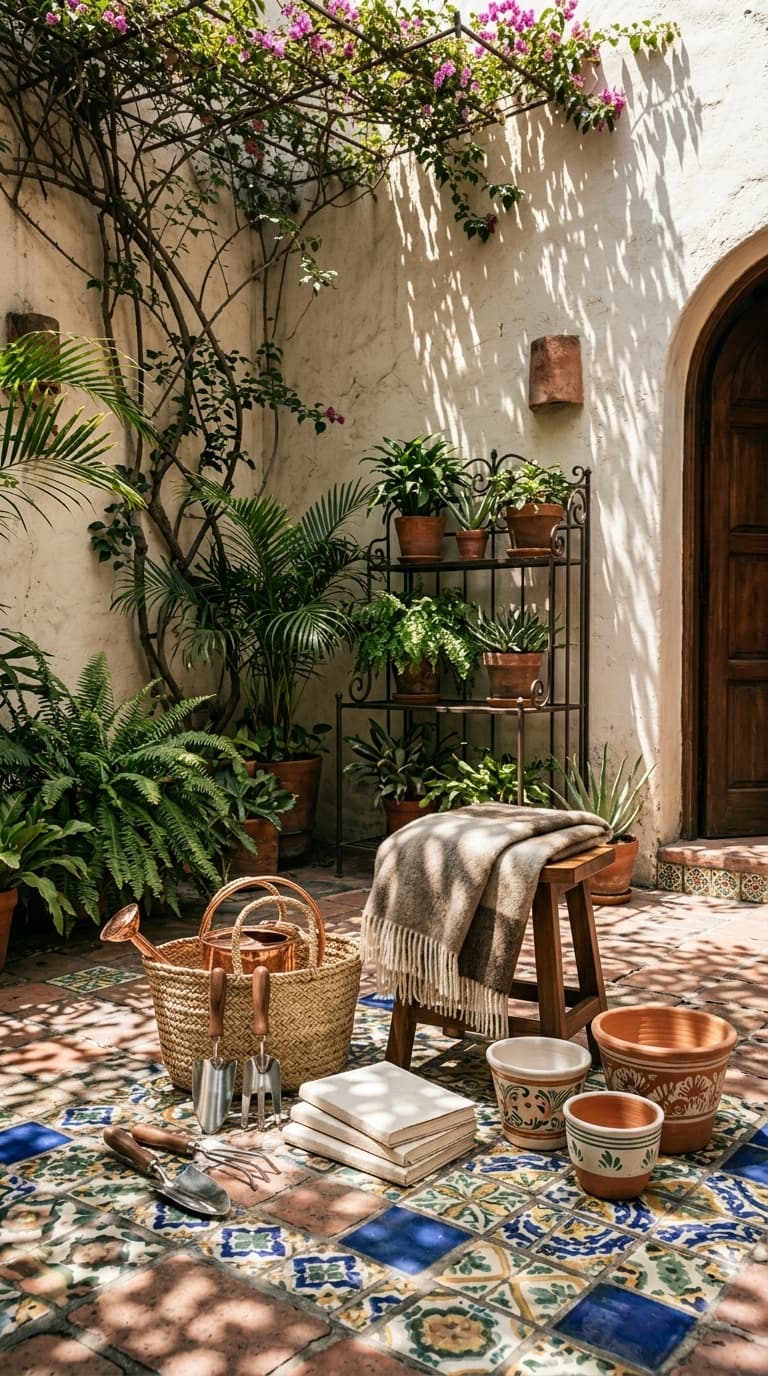
Creating an inviting outdoor space is about more than just furniture; it's about cultivating an atmosphere of relaxation and natural beauty. The image showcases a charming courtyard that feels like a secret garden, brimming with lush greenery and thoughtful decorative elements. From the vibrant bougainvillea cascading overhead to the diverse collection of plants on a tiered stand, the scene emphasizes the power of plants to define and enhance an outdoor area.
This guide will help you harness the transformative power of plants and pots to design your own outdoor sanctuary. We'll explore how to select the right plants for your climate and space, choose pots that complement your style, and arrange them to create visual interest and a sense of calm. Whether you have a sprawling garden, a cozy patio, or a small balcony, these practical tips will equip you to bring life and personality to your outdoor living areas.
1. Selecting the Right Plants for Your Outdoor Space
The foundation of any successful outdoor oasis is the selection of plants that will thrive in your specific environment. Consider the amount of sunlight your space receives throughout the day – is it full sun, partial shade, or deep shade? This will dictate the types of plants you can successfully grow. For sunny courtyards like the one pictured, heat-loving plants such as succulents, lavender, or ornamental grasses can flourish.
Beyond sunlight, think about the climate and your local growing conditions. Drought-tolerant plants are ideal for drier regions, reducing the need for constant watering and maintenance. If you live in a windy area, opt for plants with sturdy stems or those that are naturally low-growing. The image shows a mix of palms, ferns, and flowering vines, suggesting a climate that can support a variety of greenery. When choosing plants, also consider their mature size to avoid overcrowding.
2. Choosing Pots and Planters to Complement Your Style
The containers you choose for your plants play a significant role in the overall aesthetic of your outdoor area. The image features a mix of terracotta pots, which offer a classic, earthy appeal, and decorative ceramic planters with intricate patterns. Terracotta is a porous material that allows soil to breathe, promoting healthy root growth, and it weathers beautifully over time, adding character. Ceramic pots, on the other hand, can introduce color and pattern, acting as decorative elements in themselves.
The scale and placement of your pots are also crucial. Larger pots can anchor a space, providing a sense of stability and grandeur, while smaller pots can be grouped together to create focal points or add detail. The tiered plant stand in the image is a clever way to display multiple smaller pots, maximizing vertical space and creating a lush, layered effect. Ensure that all pots have adequate drainage holes to prevent waterlogging, which can lead to root rot.
3. Arranging Plants for Maximum Visual Impact
The artful arrangement of plants can transform a simple collection of pots into a captivating display. Think about creating different levels and focal points. Taller plants, like the palms in the image, can serve as statement pieces, while cascading plants or ground covers can soften edges and fill in gaps. Grouping plants with similar light and water needs together simplifies care and creates a more naturalistic look.
When arranging plants, consider the overall composition. Imagine your outdoor space as a canvas. You can create a sense of depth by placing larger plants in the background and smaller ones in the foreground. Varying the heights, shapes, and colors of your plants will add dynamism. For instance, pairing a spiky aloe with a feathery fern creates an interesting textural contrast. Don't forget to incorporate flowering plants for pops of color, but ensure they complement the existing greenery rather than overwhelming it.
4. Incorporating Functional Decor Elements
Beyond plants, other elements can enhance both the beauty and functionality of your outdoor space. The image includes gardening tools, a woven basket, and a cozy blanket, suggesting a space designed for both tending to plants and relaxing. A sturdy woven basket is perfect for carrying tools, harvested herbs, or even a picnic. Having essential gardening tools readily accessible, like trowels and cultivators, makes plant care more convenient and less of a chore.
The right lighting can also dramatically change the ambiance of your outdoor area, especially for evening use. While not explicitly shown, consider adding string lights, lanterns, or solar-powered path lights to create a warm and magical atmosphere after sunset. A small side table or stool, like the one pictured, provides a convenient surface for drinks, books, or decorative items. Think about how you want to use your space – is it for quiet contemplation, entertaining guests, or gardening?
5. Maintaining Your Outdoor Oasis
A beautiful outdoor space requires ongoing care to remain vibrant. Regular watering is essential, but the frequency will depend on your plant choices, climate, and the season. It's better to water deeply and less often than to provide shallow, frequent watering, as this encourages deeper root growth. Monitor your plants for signs of pests or diseases and address them promptly. Pruning is also important for maintaining plant health and shape, as well as for encouraging new growth and blooms.
Beyond plant care, keep your pots and containers clean. Wipe down ceramic pots to remove dust and water spots, and gently scrub terracotta if it becomes excessively soiled. Ensure that drainage holes remain clear to prevent blockages. Periodically, you may need to repot plants that have outgrown their containers or refresh the soil. Consider the overall tidiness of your space; put away tools after use, sweep patios, and ensure any cushions or throws are stored properly when not in use to protect.
6. Avoiding Common Decorating Mistakes
One common mistake is overcrowding a space with too many plants or pots, which can make it feel cluttered and chaotic. It's better to have fewer, well-chosen pieces arranged thoughtfully than to fill every available surface. Another pitfall is neglecting drainage, leading to unhealthy plants. Always ensure your pots have drainage holes or use them as cachepots with inner containers that do. Mismatched pot styles can sometimes clash, creating a disjointed look, so aim for some level of visual harmony, whether through.
Another mistake is failing to consider the scale of your plants and pots in relation to the space. A few tiny pots might get lost in a large courtyard, while an enormous planter might overwhelm a small balcony. Think about creating a sense of balance and proportion. Also, avoid the temptation to buy plants solely based on their appearance at the nursery; research their care requirements to ensure you can meet them.
- Assess your outdoor space's sunlight and climate to select appropriate plants.
- Choose pots that complement your desired style and ensure they have drainage.
- Arrange plants at varying heights and textures to create visual interest.
- Gather essential gardening tools and a storage basket for convenience.
- Incorporate comfortable elements like cushions or throws for relaxation.
- Regularly water, prune, and maintain your plants and containers.