Elevate Your Living Room with Textured Wall Art: A Practical Guide
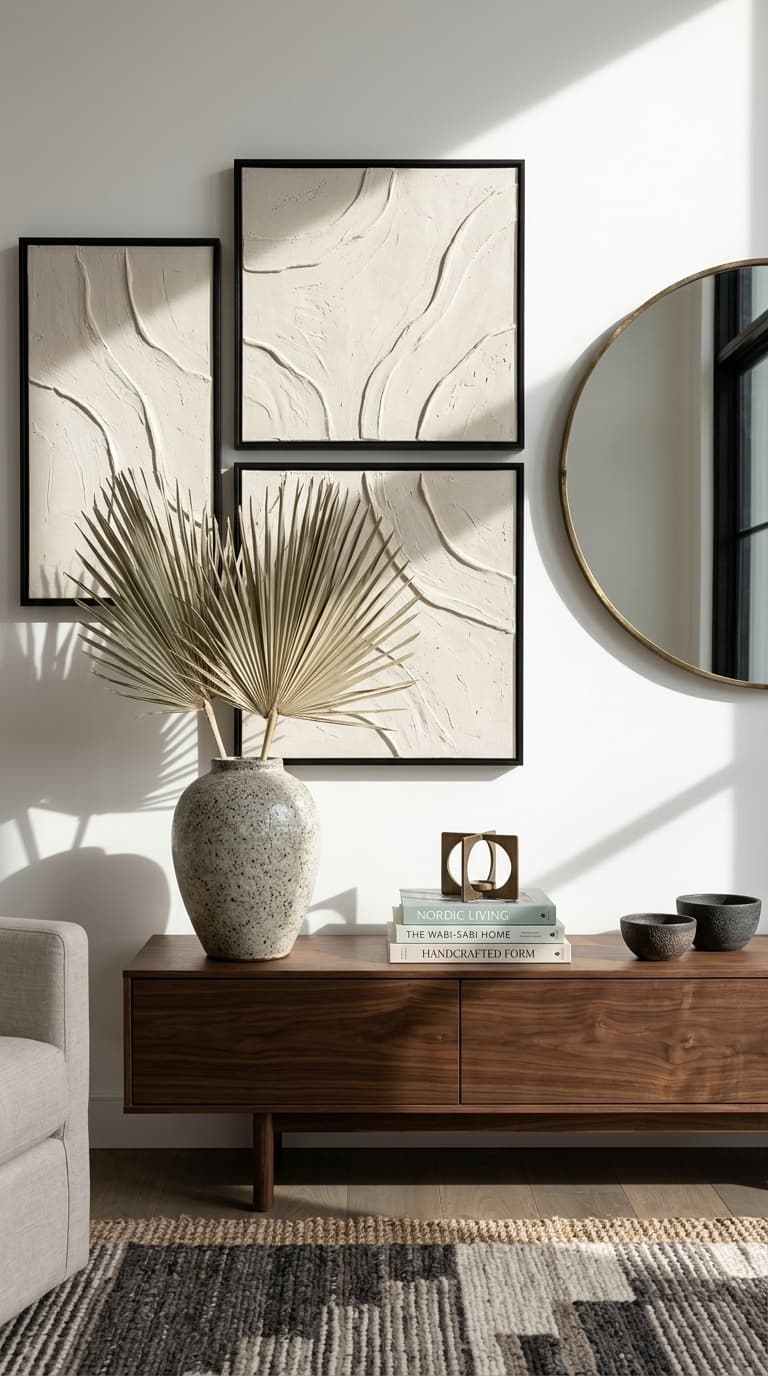
Transforming a living room often hinges on the details, and wall art plays a pivotal role in defining the space's character. The pieces shown here, with their subtle, organic textures and neutral palette, offer a sophisticated yet approachable way to enhance a room's aesthetic. Unlike flat prints, these textured artworks introduce a tactile dimension, inviting closer inspection and adding visual interest that can anchor a seating area or create a focal point.
The strategic placement of wall art can dramatically alter the perception of a room. In this arrangement, the three framed pieces are hung in a vertical grouping, drawing the eye upward and creating a sense of height. This is particularly effective in rooms with standard ceiling heights. The scale of the artwork is also important; these pieces are substantial enough to make a statement without overwhelming the wall.
1. Understanding Textured Wall Art
Textured wall art, like the pieces displayed, moves beyond traditional flat canvases or prints by incorporating three-dimensional elements. This can be achieved through various mediums, such as plaster, clay, fabric, or even carved wood, creating surfaces with depth, shadow, and tactile appeal. The appeal lies in its ability to add a unique sensory experience to a room. The organic, wave-like patterns visible in the artwork suggest a connection to natural forms, bringing a sense of calm and organic beauty into the living.
The color palette of textured art is crucial for its integration into your home. The neutral, off-white tones of the artwork in the image are highly versatile, allowing them to blend seamlessly with a wide range of interior design styles and color schemes. This neutrality ensures the focus remains on the art's texture and form, rather than being dominated by a bold color. When selecting your own textured art, think about how it will interact with your wall color and furniture.
2. Styling Your Console Table
A console table is a versatile piece of furniture that can serve as a stylish display surface, especially when placed against a prominent wall. In this image, the dark wood console provides a warm, grounding element that contrasts beautifully with the lighter wall art and the textured rug. To create a balanced and visually appealing arrangement, consider grouping items of varying heights and textures. The stack of books, topped with a small, geometric sculpture, adds architectural interest.
The selection of decorative objects for your console table should complement the overall aesthetic of the room. The two dark, textured bowls placed on the right side of the console add a touch of understated elegance and visual weight, balancing the arrangement. These smaller items provide a sense of completion without cluttering the surface. When curating your own console display, aim for a mix of items that reflect your personal style.
3. The Role of Mirrors and Rugs
Mirrors are powerful tools in interior design, capable of reflecting light, creating an illusion of space, and adding a decorative element. The round, brass-framed mirror positioned above the console table in this image serves multiple purposes. Its reflective surface bounces natural light from a nearby window, brightening the area and making the room feel larger. The simple, elegant brass frame adds a touch of warmth and sophistication, complementing the wood tones of the console and the neutral palette of the artwork.
Rugs anchor a room, define zones, and add warmth, texture, and color. The rug in this image features a geometric pattern in shades of gray, beige, and white, with a natural fiber border. This textured rug grounds the furniture arrangement, creating a cohesive look between the sofa (partially visible on the left) and the console table. The pattern adds visual interest without being overly distracting, and its neutral tones tie in with the artwork and other decor elements.
4. Incorporating Natural Elements
Introducing natural elements into your decor can bring a sense of calm and organic beauty to your living space. The large, speckled vase holding dried palm leaves is a prime example of this. The dried foliage offers a sculptural quality and a subtle, earthy tone that complements the neutral artwork and the wooden console. Unlike fresh flowers, dried botanicals provide a long-lasting, low-maintenance way to add life and texture to a room.
The integration of natural materials extends beyond decorative accents. The dark wood of the console table and the woven texture of the rug both contribute to a natural, grounded feel in the room. Wood brings warmth and a connection to nature, while woven textures add tactile depth and an artisanal quality. When designing your living room, look for opportunities to incorporate these materials throughout. This could include wooden furniture, woven baskets for storage, natural fiber rugs, or even elements like stone or.
5. Achieving Balance and Scale
Achieving visual balance in a room is key to creating a harmonious and pleasing environment. In this arrangement, the large textured artworks are balanced by the substantial presence of the console table below. The vertical arrangement of the art draws the eye up, while the horizontal line of the console grounds the composition. The mirror on the right adds a reflective element that balances the visual weight of the art on the left.
Scale refers to the size of objects in relation to each other and to the overall space. The large vase with dried palm leaves is a significant element that adds height and volume, preventing the console table from looking too sparse. Its scale is appropriate for the size of the vase and the console. Similarly, the artwork is scaled to make a statement on the wall without dominating it.
6. Avoiding Clutter and Maintaining Flow
While decorative elements add personality, it's essential to avoid clutter to maintain a sense of calm and order. The arrangement in the image demonstrates a thoughtful approach to styling. Each item on the console table has its place, and there is sufficient negative space between objects to allow them to be appreciated individually. The closed cabinetry of the console also helps to conceal less aesthetic items, contributing to a streamlined look.
Maintaining a clear flow within a living room is crucial for both functionality and visual appeal. This involves ensuring that pathways are unobstructed and that furniture is arranged in a way that encourages movement and conversation. The placement of the console table against the wall, with the rug defining the seating area, creates a clear zone for relaxation and entertainment. The artwork above enhances this area without impeding the sense of openness.
- Measure your wall space and furniture to determine the appropriate scale for your wall art.
- Select textured wall art that complements your room's existing color palette and style.
- Arrange decorative items on your console table, varying heights and textures for visual interest.
- Consider adding a mirror to reflect light and enhance the sense of space.
- Choose a rug that anchors your seating area and adds warmth and texture.
- Declutter surfaces regularly to maintain a calm and organized living space.